




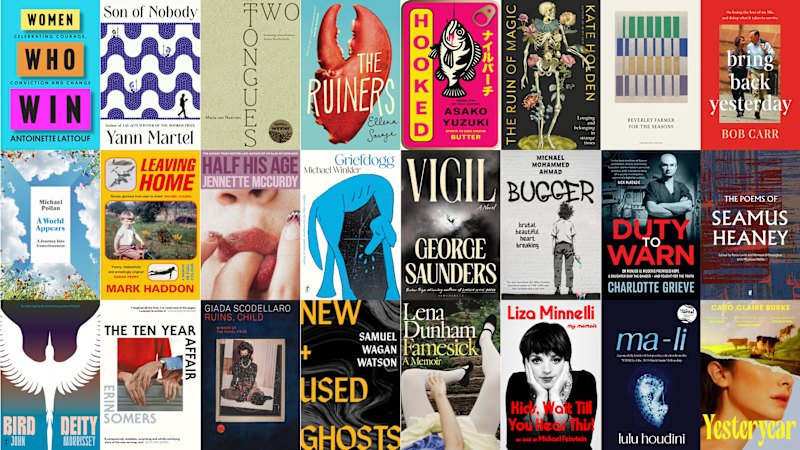
As the literary world gears up for 2026, a diverse array of books is set to capture the imagination of readers worldwide. From poignant memoirs to gripping fiction, the first half of the year promises a wealth of stories that explore themes of memory, identity, and resilience. Here’s a closer look at some of the most anticipated releases.
Exploring Memory and Identity
New + Used Ghosts by Samuel Wagan Watson, arriving on June 2, marks the first foray into fiction by the acclaimed Birra-Gubba and Mununjali poet. This collection of ghost stories and prose poems draws on First Nations storytelling to examine themes of culture, colonization, and the enduring presence of spirits. Watson’s work underscores the resilience of memory and identity amidst the pressures on land and language.
On the same day, Whistler by Ann Patchett will hit the shelves. Known for her novels The Dutch House and Tom Lake, Patchett explores the complexities of chosen family and emotional repair in this new narrative. When protagonist Daphne encounters her former stepfather at the Metropolitan Museum, past and present intertwine, revealing the strange intimacy of once-significant relationships.
Memoirs of Resilience and Reflection
January 27 sees the release of Stolen Man on Stolen Land by Tyree Barnette. This memoir offers a fresh perspective on race in Australia, as Barnette, a member of the Sweatshop Literacy Movement, reflects on his experiences as a Black American in Sydney. The book delves into the nuances of cultural admiration and the undercurrents of racism, providing a thought-provoking commentary on ongoing Indigenous dispossession.
Another notable memoir, Duty to Warn by Charlotte Grieve, also debuts on January 27. Grieve, an investigative journalist, recounts her personal journey through a defamation trial involving her father’s medical care and a high-profile surgeon. This narrative highlights the challenges of holding powerful institutions accountable, raising questions about medical risk and legal intimidation.
Fictional Journeys and Historical Insights
Andrew Sean Greer, the Pulitzer Prize-winning author of Less, returns with Villa Coco on June 9. Set in Tuscany, the novel follows a young archivist navigating life at a decaying villa owned by an aristocrat with unfinished business. Greer’s signature humor and generosity promise to make this a delightful read.
Meanwhile, The First Albanese Government, edited by Michelle Grattan, John Halligan, and John Hawkins, provides a comprehensive analysis of the Albanese government’s first term. Released on February 1, this collection features insights from top political minds and a preface by Bill Shorten, offering a detailed look at the triumphs and challenges of this pivotal period in Australian politics.
Personal Narratives and Cultural Commentary
In My Cursed Vagina, released on February 3, Lally Katz, an acclaimed playwright, turns her attention inward. This candid memoir begins with a psychic diagnosis and unfolds into a narrative about sex, illness, creativity, and motherhood. Katz’s unfiltered honesty promises an engaging and relatable read.
On February 17, Don’t Burn Anyone at the Stake Today by Naomi Alderman steps away from fiction to explore the impact of information overload. Alderman frames the internet as part of a series of historical upheavals, offering a measured analysis that prefers context and history over panic and hot takes.
Anticipated Releases and Literary Reflections
March 3 marks the release of A World Appears by Michael Pollan, who delves into consciousness and subjective experience. Known for his works on food and mind, Pollan’s latest book promises to challenge readers’ perceptions of what it means to be alive.
On March 10, stage and screen icon Liza Minnelli offers her first memoir, Kids, Wait Till You Hear This! Delving into her life as the daughter of Vincente Minnelli and Judy Garland, she shares insights into her Broadway and Hollywood rise, personal struggles, and the scandals that shaped her journey.
As the year unfolds, these books and many others will offer readers a chance to explore new worlds, reflect on personal experiences, and engage with diverse perspectives. From fiction to memoir, the literary landscape of 2026 promises to be as rich and varied as ever.