



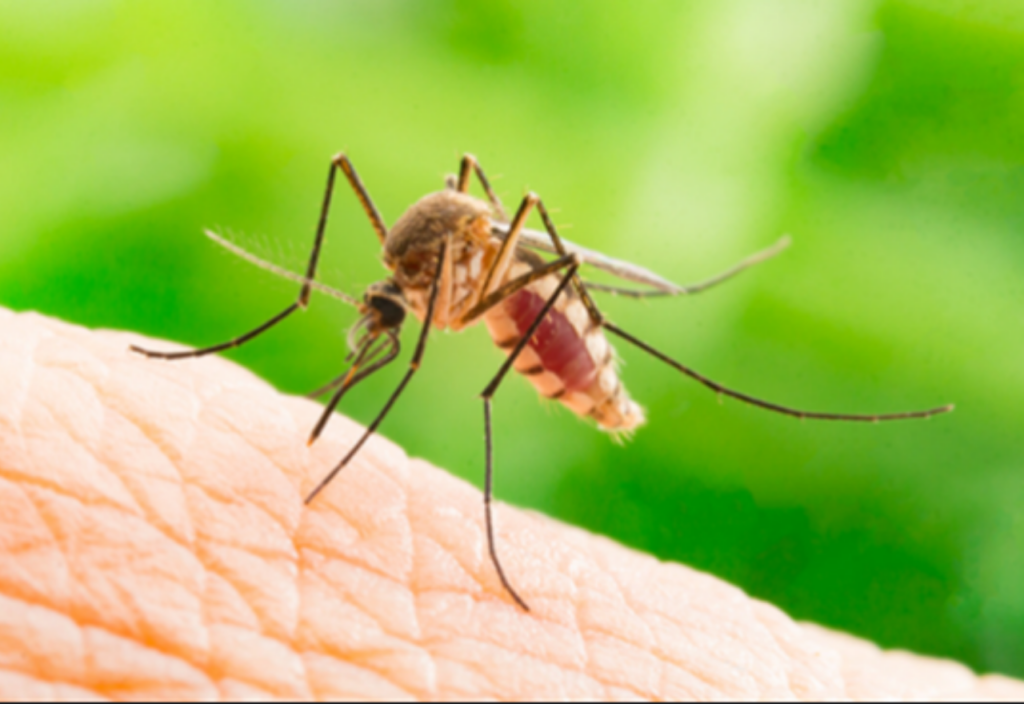
Lismore and Northern Rivers residents have been urged to take precautions against mosquito bites this summer following the early detection of two mosquito-borne viruses that can lead to severe health complications, including brain swelling. The alert comes after health authorities identified these viruses earlier than anticipated in the season.
Robin Auld, the Associate Director of North Coast Population and Public Health, expressed concern over the early detections. “These detections so early in the summer season are concerning,” he stated. The warning follows the discovery of the Kunjin virus in a sentinel chicken blood sample in Cowra, Western NSW, on November 20, 2025. Meanwhile, the Horsham Rural City Council region in Victoria reported the first detection of the Japanese Encephalitis virus in mosquitoes for the 2025/2026 season.
Health Risks and Precautionary Measures
Despite no current detections in Northern NSW, Auld emphasized the importance of taking preventive measures. “Mosquito numbers will likely increase with warmer weather, and we remind everyone in the region to protect themselves against mosquito bites,” he advised. The diseases of concern include Japanese Encephalitis, Murray Valley Encephalitis, Kunjin virus, Ross River virus, and Barmah Forest virus.
According to Auld, 60 NSW Local Government Areas are now considered at higher risk for Japanese Encephalitis virus. Residents and travelers in Lismore, Richmond Valley, and Kyogle LGAs are particularly advised to avoid mosquito bites. A safe and effective vaccine for Japanese Encephalitis is available free of charge for eligible residents and workers in these areas.
Vaccination and Treatment Options
The Japanese Encephalitis vaccine is accessible through General Practitioners, Aboriginal health services, and pharmacists. Eligible individuals should schedule appointments and inform providers in advance to ensure vaccine availability. While a booster dose may be recommended for ongoing exposure risks, there are no vaccines or specific treatments for Kunjin virus or other mosquito-borne diseases in Australia.
“The best way to avoid infection is to avoid being bitten by mosquitoes, which are more active between dusk and dawn.”
Preventative Strategies
To minimize the risk of mosquito bites, residents are advised to:
- Apply repellents containing DEET, picaridin, or oil of lemon eucalyptus to exposed skin, and reapply regularly, especially after swimming. Sunscreen should be applied before repellent.
- Wear light, loose-fitting long-sleeve shirts, long pants, socks, and covered footwear.
- Avoid outdoor activities during peak mosquito times, particularly at dawn and dusk.
- Use insecticide sprays, vapour dispensing units, and mosquito coils in well-ventilated outdoor areas.
- Ensure windows and doors are covered with insect screens and check for gaps.
- Remove items that collect water, such as old tires and empty pots, to reduce mosquito breeding sites.
- Use child-safe repellents on children aged three months and older, following label instructions.
- Protect infants under three months with mosquito netting over carriers, secured along the edges.
- While camping, use tents with fly screens or sleep under a mosquito net.
Looking Ahead
The early detection of these viruses underscores the need for vigilance as the summer season progresses. Health authorities continue to monitor mosquito populations and virus activity closely. Residents are encouraged to stay informed about the latest health advisories and take advantage of available resources, such as the Japanese Encephalitis vaccine.
For more information on vaccine eligibility and other preventive measures, residents can visit the official health department website. As the region braces for a potentially active mosquito season, proactive measures remain the best defense against these mosquito-borne threats.