


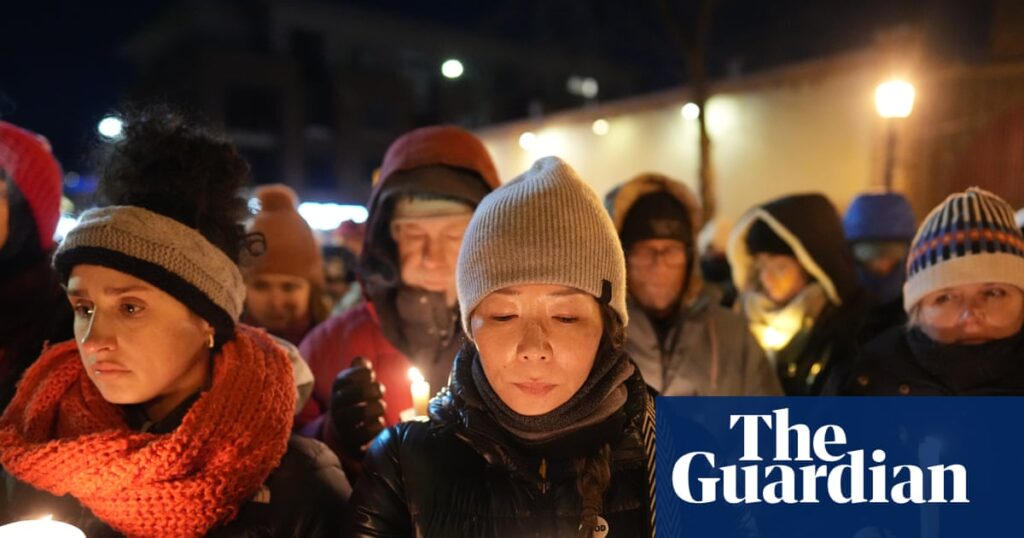
In the wake of the tragic killing of 37-year-old ICU nurse Alex Pretti, Minneapolis remains tense despite assurances from the Trump administration to de-escalate federal immigration operations in the city. The situation has been further complicated by the recent death of Renee Nicole Good at the hands of an ICE agent, fueling public outrage and fear.
President Trump claimed to have had “very good” conversations with Minnesota Governor Tim Walz and Minneapolis Mayor Jacob Frey, both of whom he has criticized in the past. However, the reality on the ground tells a different story. Despite Trump’s promise of a “more relaxed” operation, federal raids continue unabated, leaving the Twin Cities community on edge.
Leadership Changes and Continued Tensions
Earlier this week, Gregory Bovino, initially appointed to lead the immigration crackdown in Minnesota, was replaced by Tom Homan, Trump’s “border czar” and former acting director of ICE. Homan, who has extensive experience from both the Trump and Obama administrations, met with Walz and Frey to discuss the ongoing federal operations.
Homan described the meetings as a “productive starting point,” yet the community remains skeptical. “While we don’t agree on everything, these meetings were a productive starting point and I look forward to more conversations with key stakeholders in the days ahead,” Homan wrote on X.
Despite these leadership changes, residents like Elizabeth, a parent in south Minneapolis, report no noticeable difference in federal presence. Her community remains vigilant, using neighborhood Signal group chats to alert each other of ICE sightings. “We’re still seeing the vehicles in the neighborhood,” she noted, underscoring the persistent anxiety.
Community Impact and Response
The continued federal presence has had a profound impact on daily life in Minneapolis. Elizabeth, who requested anonymity, has been delivering groceries and transporting children for families too afraid to leave their homes. “Many of them haven’t left their home in seven to eight weeks,” she shared, highlighting the pervasive fear in her community.
Schools across Minnesota are also feeling the strain. Brenda Lewis, superintendent of the Fridley public school district, has expanded remote learning options for students too frightened to attend in person. “This is about children, predominantly children of color, being treated as less than human,” Lewis stated at the state capitol, emphasizing the emotional and educational toll on students.
In St. Paul, city council member Molly Coleman remains vigilant, taking shifts to monitor ICE activity at her son’s daycare. “People are really guarding against false optimism,” she explained, expressing skepticism about any immediate improvements in safety for immigrants and people of color.
Political Climate and National Implications
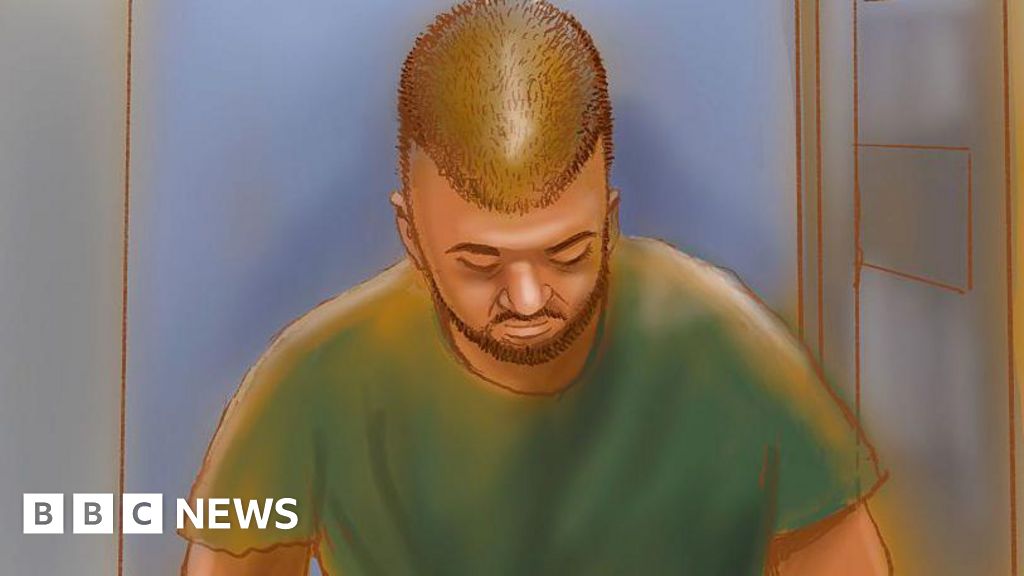
The tense atmosphere has extended to Minnesota’s political sphere. Democratic Congresswoman Ilhan Omar was attacked during a town hall meeting, an incident she attributes to Trump’s inflammatory rhetoric. The alleged attacker, Anthony James Kazmierczak, reportedly followed several right-wing activists online.
Despite bipartisan condemnation of the attack, Trump remained unsympathetic, dismissing the incident as a potential setup. “I think she’s a fraud. I really don’t think about that. She probably had herself sprayed, knowing her,” he claimed in an interview with ABC News.
Omar, a frequent target of Trump’s criticism, believes the president’s rhetoric has directly contributed to the hostility she faces. “The facts of the situation are that I wouldn’t be where I am today, having to pay for security … if Donald Trump wasn’t in office, and if he wasn’t so obsessed with me,” she stated.
Looking Ahead
As the situation in Minneapolis continues to unfold, residents like Elizabeth remain committed to supporting their community. However, she holds little hope for meaningful change from the Trump administration. “We’re dealing with a bully, and right now, if they leave Minnesota, they lose,” Elizabeth remarked, expressing doubt that federal forces will withdraw anytime soon.
The long-term consequences of the federal crackdown are yet to be fully realized, but the immediate impact is clear. From educational disruptions to heightened community fear, the effects are widespread and deeply felt. As the city grapples with these challenges, the path to resolution remains uncertain.