



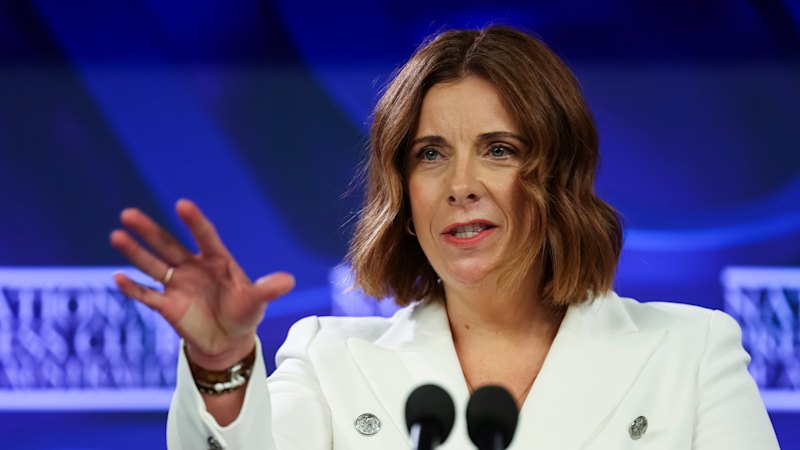
Sports Minister Anika Wells is under fire after it was revealed she left a Comcar limousine waiting for nearly 10 hours during the 2022 NRL and NRLW grand finals, resulting in a taxpayer bill exceeding $1200. This incident has intensified scrutiny over her travel expenses, which have been criticized for their frequency and cost.
The latest revelations, sourced from Independent Parliamentary Expenses Authority data, indicate that Wells’ Comcar usage at the grand finals totaled $1287.76. This follows a similar incident where taxpayers were charged nearly $1000 for a Comcar to wait while she attended the Australian Open tennis.
Mounting Pressure on Minister Wells
The controversy surrounding Wells is part of a broader debate on the use of taxpayer funds for personal travel by government officials. The Department of Finance lists the hourly cost of a Comcar limousine at $133.20, raising questions about the necessity and appropriateness of such expenditures.
Wells also reportedly received two complimentary corporate suite tickets for the NRL grand finals, valued at approximately $1700 each. This has further fueled public discontent, especially during a period marked by economic challenges for many Australians.
Wider Implications in Government
The issue of taxpayer-funded travel expenses is not isolated to Wells. Other ministers, including Don Farrell and Attorney-General Michelle Rowland, have also faced scrutiny. Farrell has been reported to have used his entitlements extensively for family travel, costing over $116,000 since 2022. This includes flights coinciding with events where he received complimentary tickets, such as a Wintjiri Wiru Sunset Dinner at Uluru.
“The family reunion provisions are an important feature of our framework, allowing a diverse range of members and senators to represent their communities in our nation’s parliament,” Farrell stated, defending his expenses.
Farrell’s expenses, while within the guidelines, have sparked debate about whether they align with public expectations, especially in light of past instances where ministers have repaid costs that were deemed inappropriate by community standards.
Calls for Accountability and Reform
Nationals senator Matt Canavan has called for Wells to resign, citing a pattern of expenses that, while technically within the rules, fail to meet community expectations. “I think there’s too many yellow cards here from Anika Wells. I think she needs to be shown a red,” Canavan remarked, referencing previous resignations over similar issues.
Canavan’s criticism highlights a broader call for reform in how parliamentary expenses are managed and justified. The family reunion travel rules allow MPs certain flexibilities, but the public perception of these expenses remains a contentious issue.
Community Expectations and Political Accountability
Coalition figures have questioned the government’s stance on these expenses, arguing that they do not align with what Australians expect from their leaders. Shadow treasurer Ted O’Brien emphasized the importance of individual accountability, stating, “Whether things are in the guidelines or not, it’s always up to the individual parliamentarian to justify his or her expenses.”
“What we see here is the prime minister defending a minister who is spending money that is hard to justify in the public eye,” O’Brien added, pointing to the broader implications of such spending during a cost-of-living crisis.
The ongoing debate over parliamentary expenses underscores the need for transparency and accountability in government spending. As public scrutiny intensifies, the pressure mounts on officials to not only adhere to the rules but also meet the ethical standards expected by the community.
As this issue unfolds, it remains to be seen how the government will address these concerns and whether any changes to the guidelines governing parliamentary expenses will be implemented to restore public trust.