




The significance of mineral supplementation in livestock, particularly in regions deficient in certain minerals, is well-documented. However, as expert Kim highlights, cattle may also suffer from sub-clinical mineral deficiencies when their feed intake fails to meet nutritional requirements. This is especially true during periods of high energy demand, such as growth, mating, calving, and lactation, or when trace minerals in pastures decline.
Kim explains, “Sub-clinical deficiencies can also occur during periods of reduced feed intake, such as prolonged wet or cold conditions, or after weaning.” She emphasizes the importance of providing a supplementary source of Vitamin B12, particularly beneficial for young, rapidly-growing cattle, to support high growth rates and immune function.
Challenges Facing Weaners
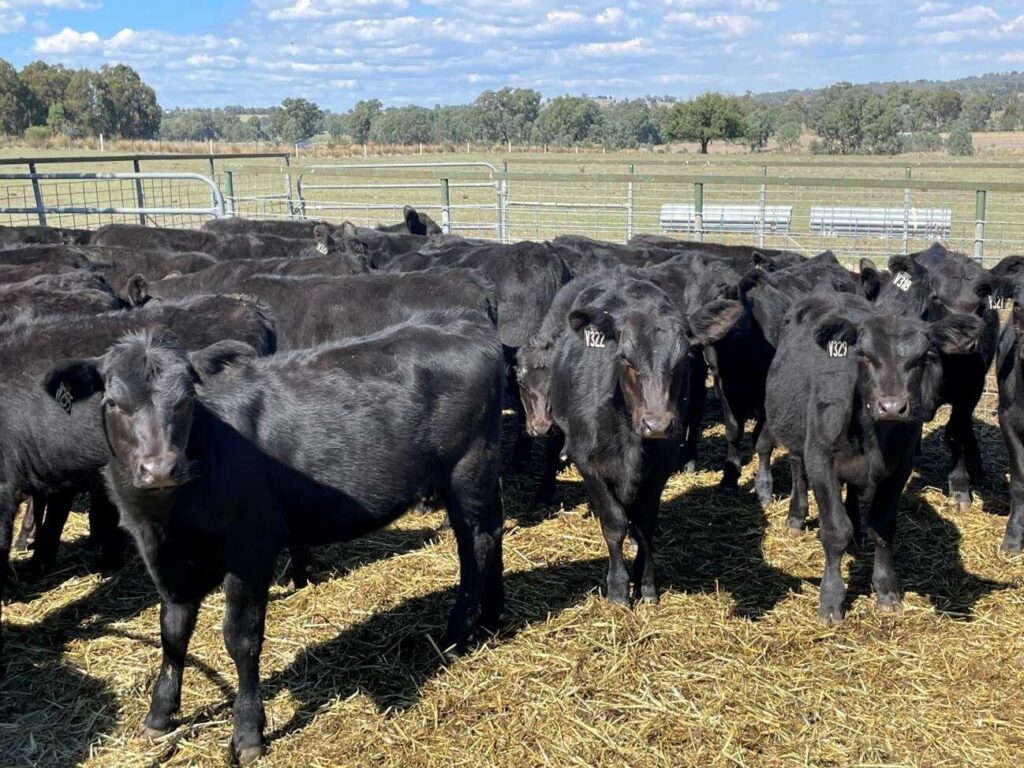
Weaners, or young cattle recently separated from their mothers, face significant metabolic, social, and parasitic challenges. “In a very short period, they experience the stress of removal from their mothers and often have to co-mingle with other animals from different cohorts,” Kim notes. This stress is compounded by handling and transport, making them susceptible to diseases and parasites due to low natural immunity.
Furthermore, weaners transition from a milk-pasture diet to a grass-based diet, necessitating adequate Vitamin B12 for energy metabolism, DNA synthesis, red blood cell production, and nervous system function. “Young cattle have lower reserves of Vitamin B12 in their liver, making them more susceptible to deficiency,” Kim adds.
Supplementation Strategies
MultiBoost with B12 emerges as a five-way mineral and vitamin booster designed to optimize the health, fertility, and performance of beef and dairy cattle. It contains essential minerals such as zinc, copper, manganese, selenium, and Vitamin B12. Administered as a low-volume subcutaneous injection, it is crucial before critical production cycle periods like weaning, mating, and calving.
“MultiBoost with B12 is designed to ‘top up’ the animal’s levels of essential minerals at key stages of the production cycle,” Kim explains. “It has a minimum re-retreatment interval of eight weeks, with treatment frequency depending on the nutritional status of livestock.”
Kim advises that beef and dairy cattle in regions known to be deficient in cobalt, copper, or selenium should receive long-acting mineral supplements targeting specific deficiencies. Options include Selovin LA injection, Cobalife VB12 injection, Cobalife VB12 Plus Selenium injection, and Copperplan 20 copper capsules from Elanco.
Consultation and Precautions
Producers are encouraged to consult veterinarians or animal health advisors to determine the mineral status of their livestock and identify the best solutions. “Don’t provide mineral supplements to livestock whose mineral status is unknown or to those receiving other mineral sources via supplementary rations, vaccines, drenches, or pasture dressings, as toxicity may result,” Kim warns.
For further information about mineral supplementation in cattle, producers can contact their local Elanco representative or Customer Service team. It is crucial to always read and follow label directions, as results may vary based on current mineral status and additional sources of trace minerals.
This development underscores the growing awareness and need for targeted nutritional strategies in livestock management, promising improved health and productivity outcomes for cattle across diverse farming environments.