

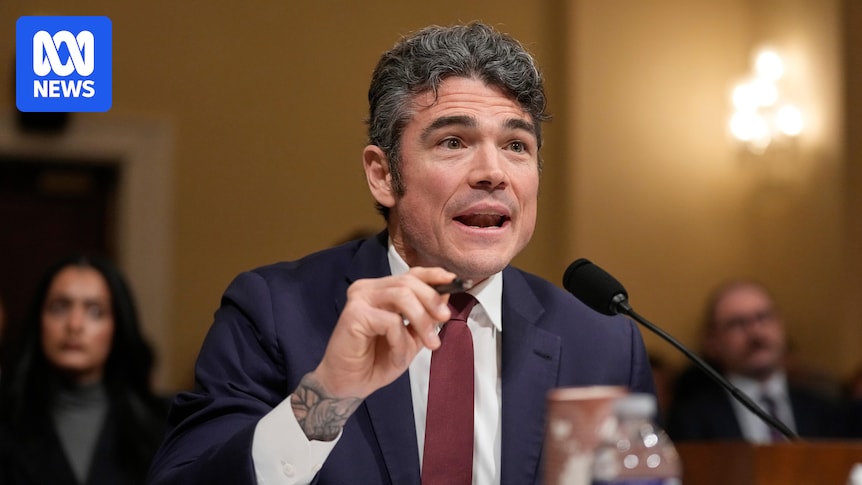

In a world where technology intertwines with the most intimate aspects of life, Millennials are reshaping the landscape of love and relationships. From the rise of online dating to the embrace of polyamory, the dynamics of romantic connections are evolving rapidly. Adam Bode, a PhD candidate at the Australian National University specializing in the biology and psychology of romantic love, co-authored a study that sheds light on these changes. According to Bode, more than a third of long-term partners in Australia met online, yet these couples report being 10% less satisfied in their relationships compared to those who met offline.
“Some relationship science experts think this is not a meaningful difference,” Bode explains. “Although I and the other authors of the paper think it is meaningful… we know that relationship satisfaction is a big predictor of whether a relationship stays together or breaks up.” The study suggests that the perception of “choice overload” offered by dating apps might contribute to this discrepancy in satisfaction, as it can lead individuals to constantly compare their current partners with potential alternatives.
The Impact of Technology on Relationship Dynamics
Demographer Mark McCrindle notes that the rapid shift in how relationships form is a natural response to the technological advancements Millennials have grown up with. “We’re changing millennia of relationship forming by leveraging technology,” McCrindle states. While the convenience of technology offers more options, it may also detract from the depth of human connections. “The most important relationships that we form in life are those that can’t be expedited,” he adds, suggesting that the algorithm-driven approach to finding love might leave individuals feeling unfulfilled.
Despite these challenges, there are success stories. Jamee and Durham Atkinson, who met on Tinder in 2015, are a testament to the potential of online dating. The couple, who recently celebrated their 10-year anniversary, believe they might never have met without the app. “There was a good chance we might not have ever met in real life, for sure,” Durham reflects.
Searching for “The One” in a Digital Age
Liam Luangrathrajasombat, a 29-year-old from Penrith, has been on a quest to find “the one” since he was 18. Despite experimenting with various dating methods, including apps like Hinge, he finds in-person connections more meaningful. “It’s the equivalent of when you’re on social media and you’re scrolling,” he says. “Your connection to the people you’re swiping yes or no to is also not as strong.” Yet, Liam remains hopeful about finding his partner and dreams of having a family in the future.
Meanwhile, Katie McMaster, a 36-year-old executive assistant in Melbourne, describes the city’s dating scene as a “jungle.” She believes the COVID-19 pandemic has impacted people’s social skills, making in-person interactions challenging. “People don’t know how to interact in person,” she observes, noting that dating apps have further eroded these skills.
Decentring Romance and Embracing Individualism
For some, the traditional pursuit of romance is no longer a priority. Datt, who has “completely decentred romance,” is part of a growing movement of women choosing to remain single. The “boy sober” movement and the concept of “heterofatalism” reflect a broader trend where individuals opt out of traditional relationships. According to the Australian Bureau of Statistics, the number of people living alone is expected to rise significantly by 2046.
Mark McCrindle suggests that financial considerations and changing social norms are influencing these decisions. “The expenses that come with starting a family mean it’s an expensive time in life,” he explains, adding that Millennials are delaying parenthood to establish financial security.
Exploring Non-Monogamy and Solo Parenthood
Polyamory and non-monogamous relationships are gaining visibility, with surveys showing that about 6% of Australians have been in open relationships. Marco Matillano, a community health worker, has been in a polyamorous relationship for over two years. Despite societal norms, he finds it to be the most secure relationship he’s ever had. “We communicate really well and nip things in the bud before they become an issue,” he says.
In contrast, some individuals are choosing single parenthood as a path to fulfillment. Vanessa McNally, a Melbourne nurse, decided to have a child on her own with the help of a sperm donor. “I think I can do this on my own,” she says. The number of single mothers by choice is on the rise, reflecting a shift towards autonomy and control over one’s life.
As Millennials continue to redefine love and relationships, the implications of these changes are profound. Whether through embracing technology, challenging traditional norms, or forging new paths, they are reshaping the way society understands and experiences love. The future of relationships may be uncertain, but one thing is clear: Millennials are leading the charge in exploring new possibilities.