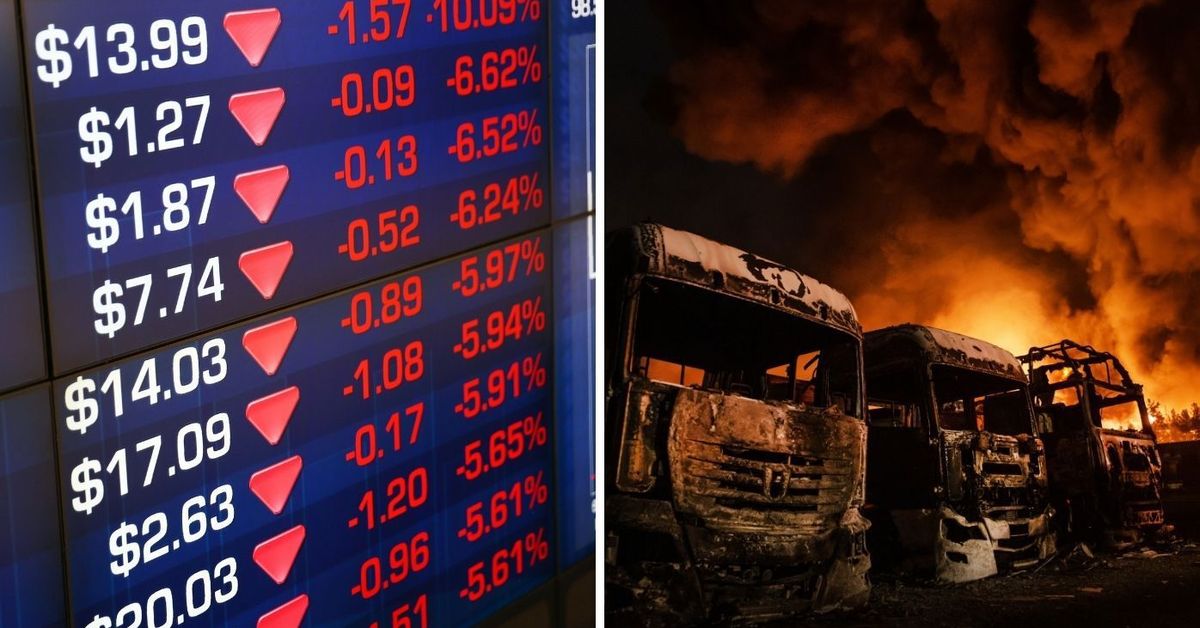

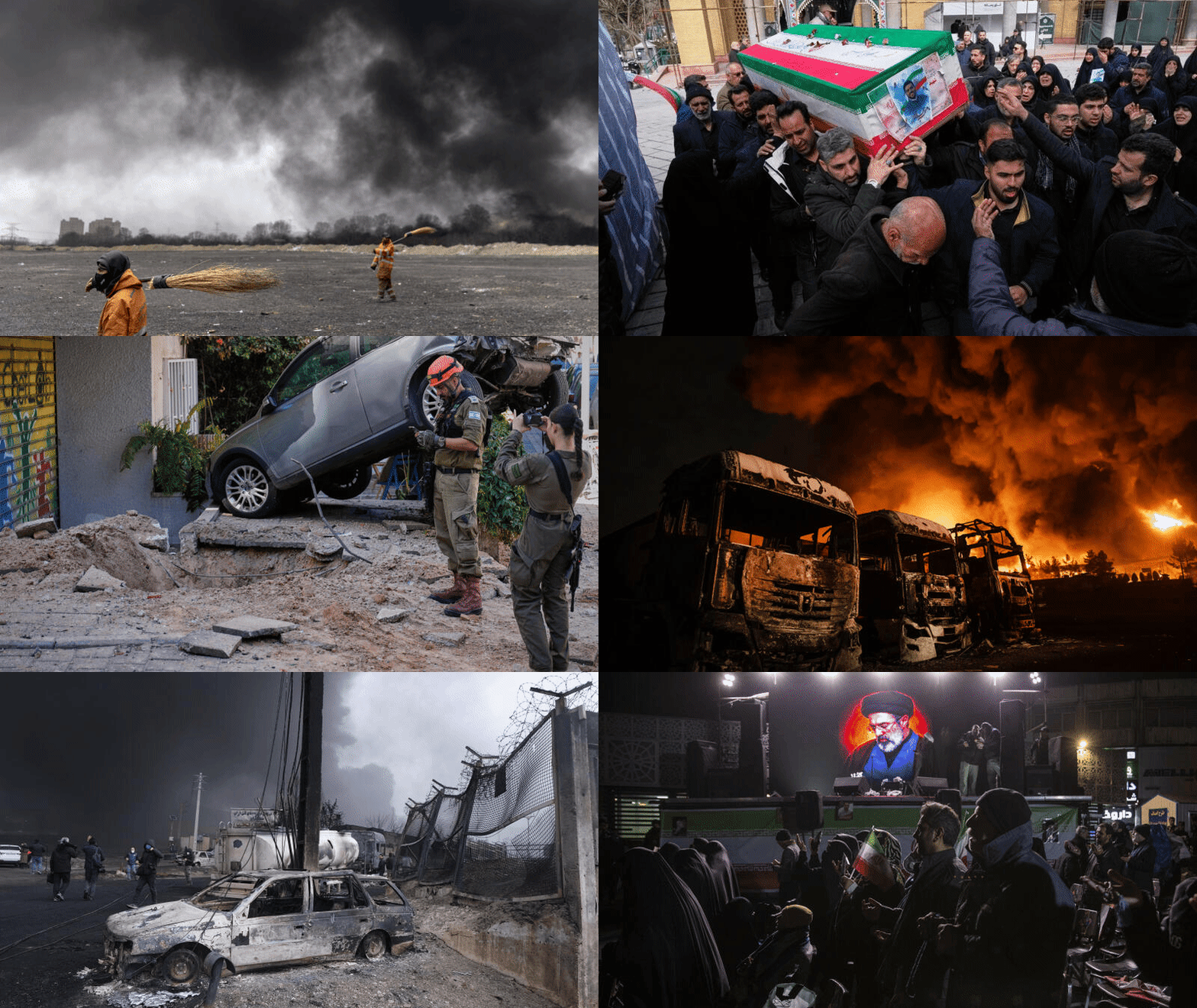
The conflict in the Middle East has dramatically intensified following a series of airstrikes by the United States and Israel against Iran. These strikes, known as Operation Epic Fury, resulted in the death of Ayatollah Ali Khamenei and several senior Iranian leaders. The repercussions of these actions are being felt across the globe, affecting sectors from shipping to air travel, and causing significant disruptions in the strategic waterways that serve as global trade hubs.
As tensions rise, the impact on the global economy is becoming increasingly apparent. Energy costs are soaring, with warnings of further disruptions to come. The situation remains fluid as international leaders scramble to respond to the escalating crisis.
Iran and Lebanon Under Attack
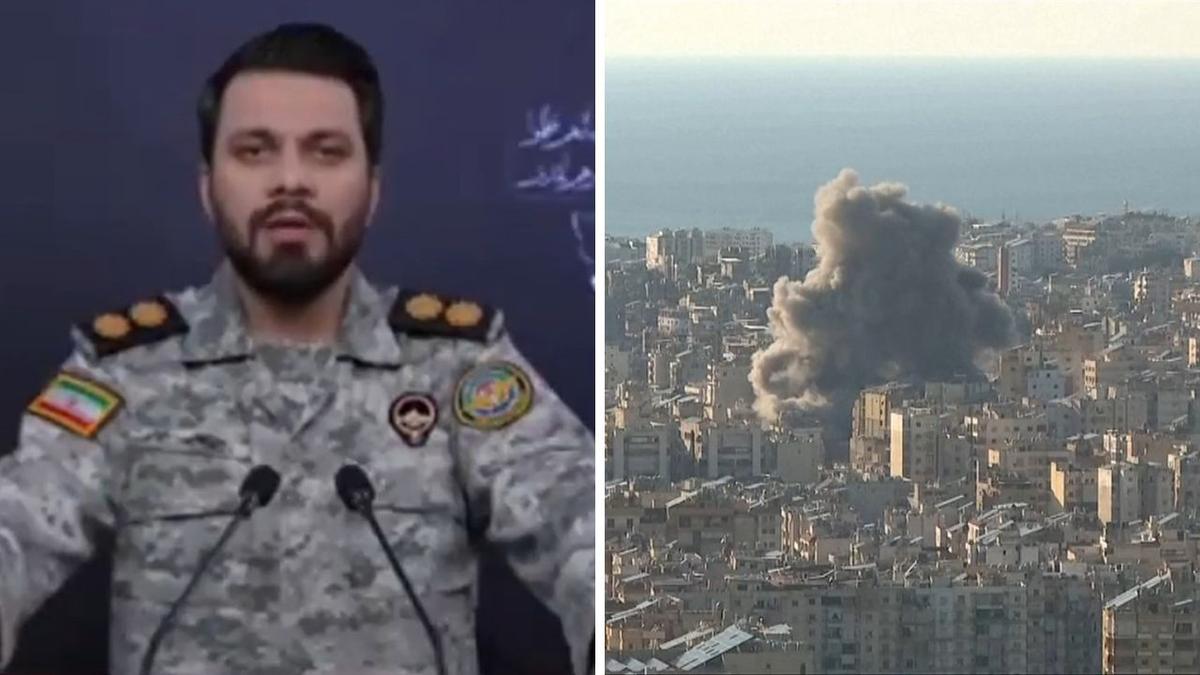
On Thursday, explosions rocked Tehran as the conflict entered its sixth day, according to reports from Iran’s Tasnim news agency. The western city of Sanandaj also experienced blasts, while in Lebanon, casualties were reported following drone attacks and airstrikes.
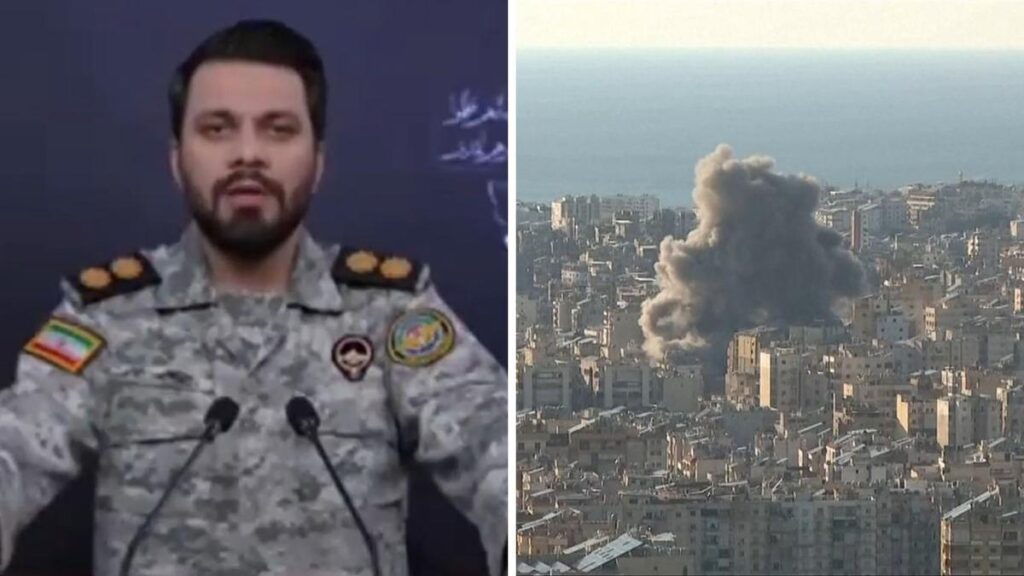
At least three people were killed on the Tyre-Naqoura road near Qalila, as reported by the Lebanese National News Agency. Additionally, two fatalities occurred in the Beddawi refugee camp near Tripoli, according to the Lebanese Ministry of Public Health. Israeli strikes targeted locations in southern Tyre and Beirut’s southern suburbs, escalating the regional conflict.
Global Economic Impact
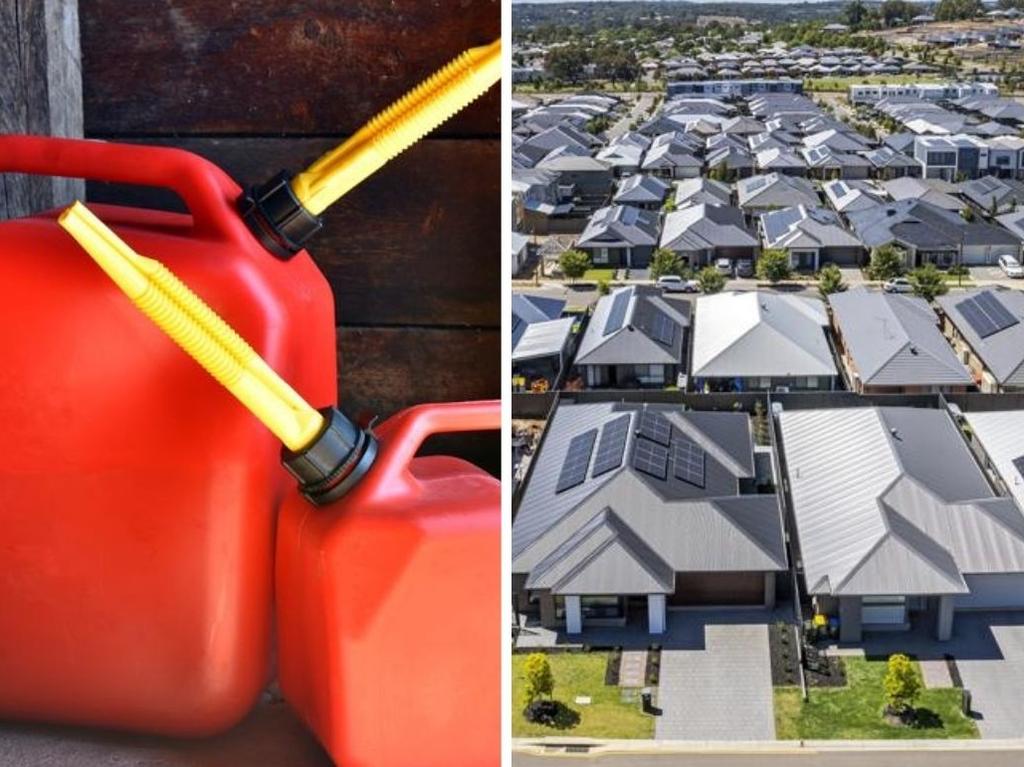
The conflict’s impact on global energy prices is significant. Fuel prices in some remote areas of Australia’s Northern Territory are nearing $4 per liter. In Ramingining, diesel is priced at $3.99 per liter, while in Milingimbi, it stands at $3.95 per liter. Meanwhile, in major cities like Melbourne and Sydney, prices range from $2.19 to $2.24 per liter.
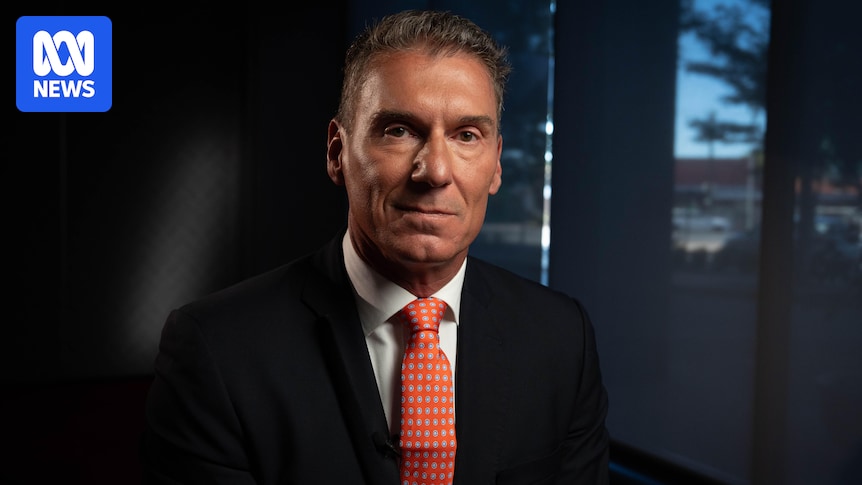
Australia’s Treasurer Jim Chalmers has cautioned service stations against exploiting the Middle East conflict to inflate prices. He has tasked the Australian Competition and Consumer Commission with monitoring fuel prices closely as tensions continue to escalate.
Military and Diplomatic Developments
The US Department of War has identified the remaining soldiers killed in an Iranian strike on Sunday. Robert Marzan, 54, and Jeffrey O’Brien, 45, were victims of an unmanned aircraft system attack in Port Shuaiba, Kuwait. They were part of the 103rd Sustainment Command based in Des Moines, Iowa.
Iranian forces have claimed responsibility for a series of retaliatory strikes against American and Israeli targets. A military spokesperson announced that Iran had fired over 40 missiles, destroyed 10 drones, and targeted US bases in Kuwait and Bahrain. The spokesperson described these actions as “powerful and proud operations” against the aggressors.
Meanwhile, Saudi Arabia reported intercepting three cruise missiles outside Al-Kharj, approximately 103 kilometers southeast of Riyadh, as confirmed by the country’s Ministry of Defence.
Political Reactions and Humanitarian Concerns
In the United States, a Senate resolution aimed at limiting President Donald Trump’s military powers against Iran was defeated. The vote was 47 to 53, with Senator Rand Paul joining Democrats in support of the measure, while Democratic Senator John Fetterman sided with Republicans to block it. The House is expected to vote on a similar resolution soon.
As the conflict continues, humanitarian concerns are mounting. In Lebanon, seven children have been killed and 38 injured in the past 24 hours due to airstrikes. Nearly 60,000 people have been displaced, with UNICEF deploying Rapid Response Teams to provide essential supplies to those affected. The violence has prompted calls for immediate cessation to protect the vulnerable.
Photos have emerged showing a boy climbing an unexploded Iranian missile in Syria, highlighting the perilous conditions faced by civilians in conflict zones. Ukrainian President Volodymyr Zelensky has offered assistance to combat Iranian missiles and drones, underscoring the international dimension of the crisis.
As the situation unfolds, the world watches closely, hoping for a resolution that can bring stability to a region long plagued by conflict and strife.