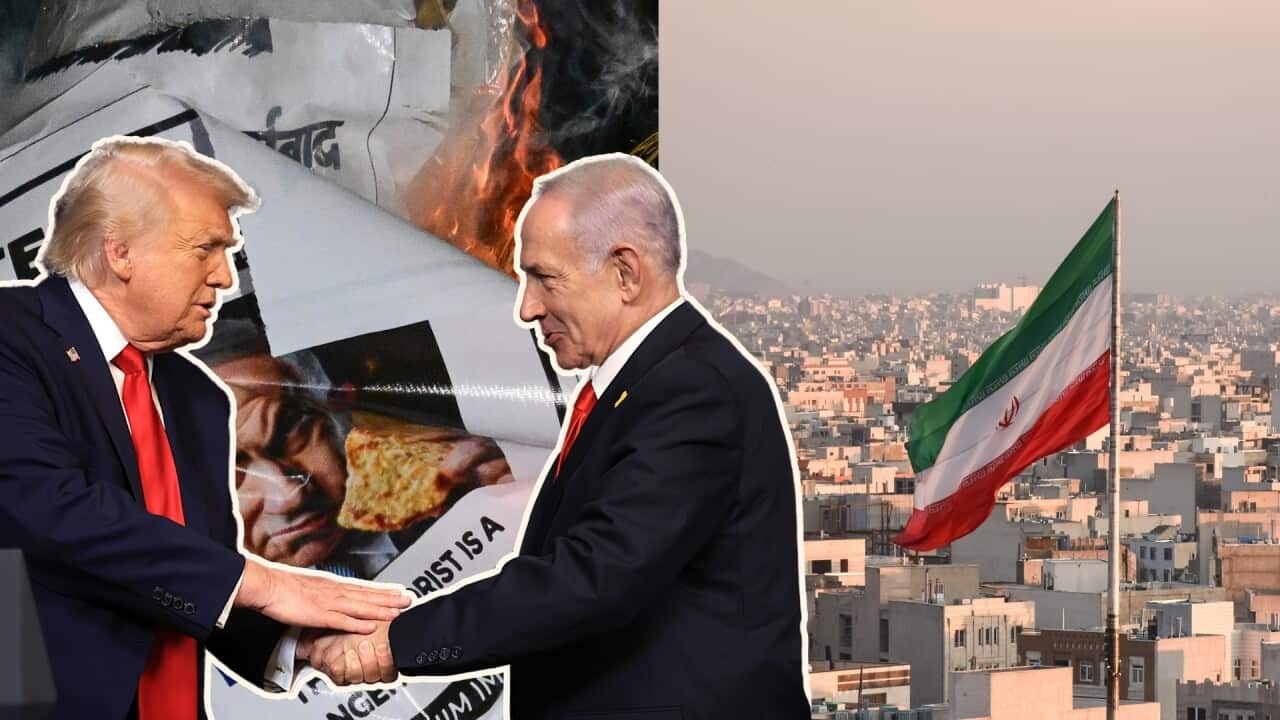
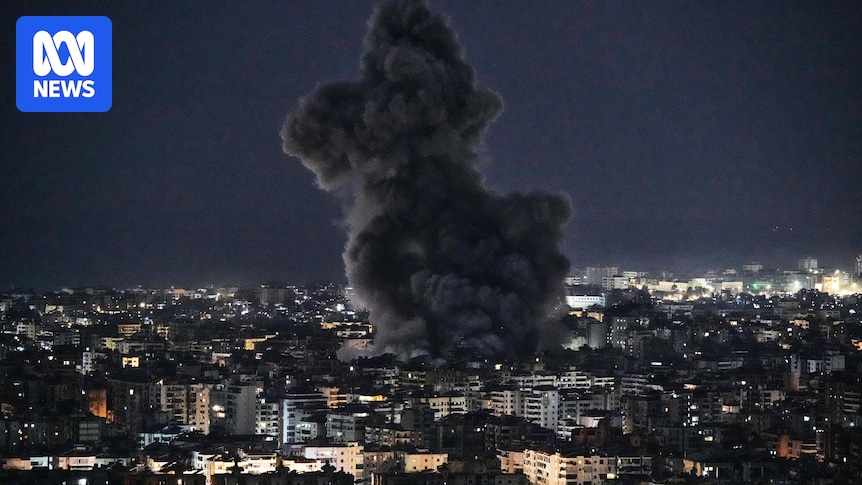
The Middle East is once again at the center of global attention as the United States and Israel intensify military operations against Iran. The situation escalated with the US claiming significant blows to Iran’s military infrastructure, while Israel continues targeted strikes. The conflict has prompted international responses, including the deployment of Australian crisis teams to assist citizens in the region.
In a significant development, the Trump administration has been briefing US Congress on its military campaign, facing criticism from Democrats who question the strategy and legality of the operations. Meanwhile, an Emirates flight from Dubai to Sydney has departed, marking the first such flight since hostilities began, offering a glimmer of hope for Australians stranded in the region.
US and Israeli Military Operations Intensify
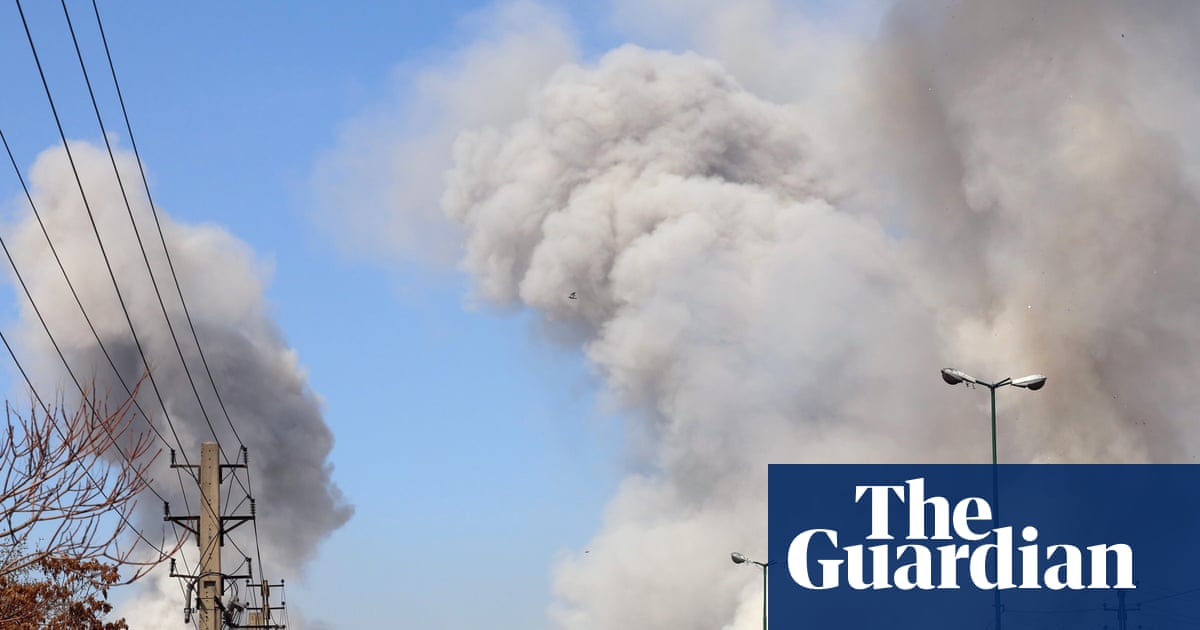
The US military has claimed substantial success in its operations, stating that no Iranian navy vessels remain in Middle Eastern waters. According to US Central Command, Iran has launched over 500 ballistic missiles and 2,000 drones in retaliation. The military campaign, dubbed Operation Epic Fury, aims to dismantle Iran’s military capabilities.
“We have severely degraded Iran’s air defenses and destroyed hundreds of Iran’s ballistic missiles,” said Admiral Brad Cooper, highlighting the scale of US military involvement.
Israel has also been active, with its military confirming responsibility for a strike on a building where Iran’s Assembly of Experts was meeting. The assembly was expected to appoint Iran’s next supreme leader, marking a significant blow to Iran’s political structure.
International Reactions and Humanitarian Concerns
The conflict has sparked reactions worldwide, with Canadian Prime Minister Mark Carney urging all parties to adhere to international law. The US State Department has authorized the departure of non-essential staff from several Middle Eastern countries, reflecting growing security concerns.
Meanwhile, the humanitarian impact is becoming increasingly apparent. In Kuwait, a drone strike claimed the lives of six US service members, including Sergeant 1st Class Nicole Amor, who was close to returning home. Her husband, Joey Amor, expressed his grief, highlighting the personal toll of the conflict.
“She was almost home,” Joey Amor lamented. “You don’t go to Kuwait thinking something’s going to happen.”
Political and Strategic Implications
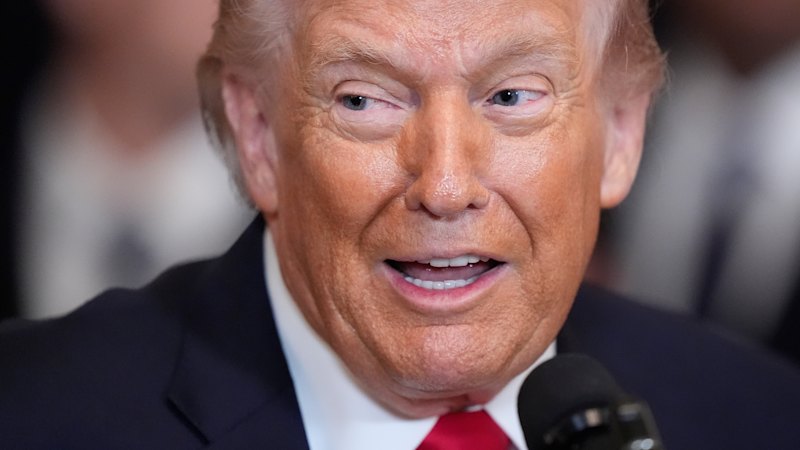
The Trump administration’s approach has drawn criticism from US lawmakers. Senator Elizabeth Warren described the war as “illegal” and based on “lies,” emphasizing the lack of a clear plan to end the conflict. The administration’s briefings have left many Democrats unconvinced, with fears of a prolonged and more violent conflict.
In Israel, military actions continue against Hezbollah in Lebanon, with warnings issued to residents in southern Lebanon to evacuate. The region braces for further strikes as tensions remain high.
Efforts to Protect and Evacuate Citizens
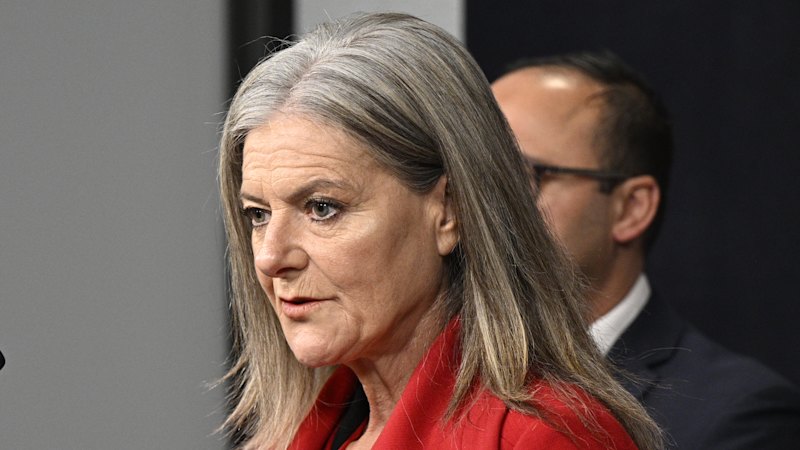
Amid the escalating conflict, Australia has deployed six crisis teams to the Middle East to support Australians in the region. Foreign Minister Penny Wong confirmed that over 200 Australians are on a flight from Dubai to Sydney, the first since the conflict erupted.
“We thank the UAE for their support. Obviously, we still have a lot more work to do,” Senator Wong stated, emphasizing the ongoing efforts to facilitate safe travel.
The US is also on high alert for potential sleeper cell attacks, with Homeland Security Secretary Kristi Noem outlining measures to prevent such threats. The focus remains on monitoring social media and conducting interviews to thwart potential attacks.
Future Prospects and Global Impact
The conflict’s future remains uncertain, with military operations showing no signs of abating. The White House is set to discuss increasing weapons production with major defense contractors, indicating preparations for a sustained military effort.
As the world watches the unfolding situation, the call for de-escalation grows louder. The international community continues to stress the importance of adhering to international law and seeking diplomatic solutions to prevent further loss of life and regional destabilization.