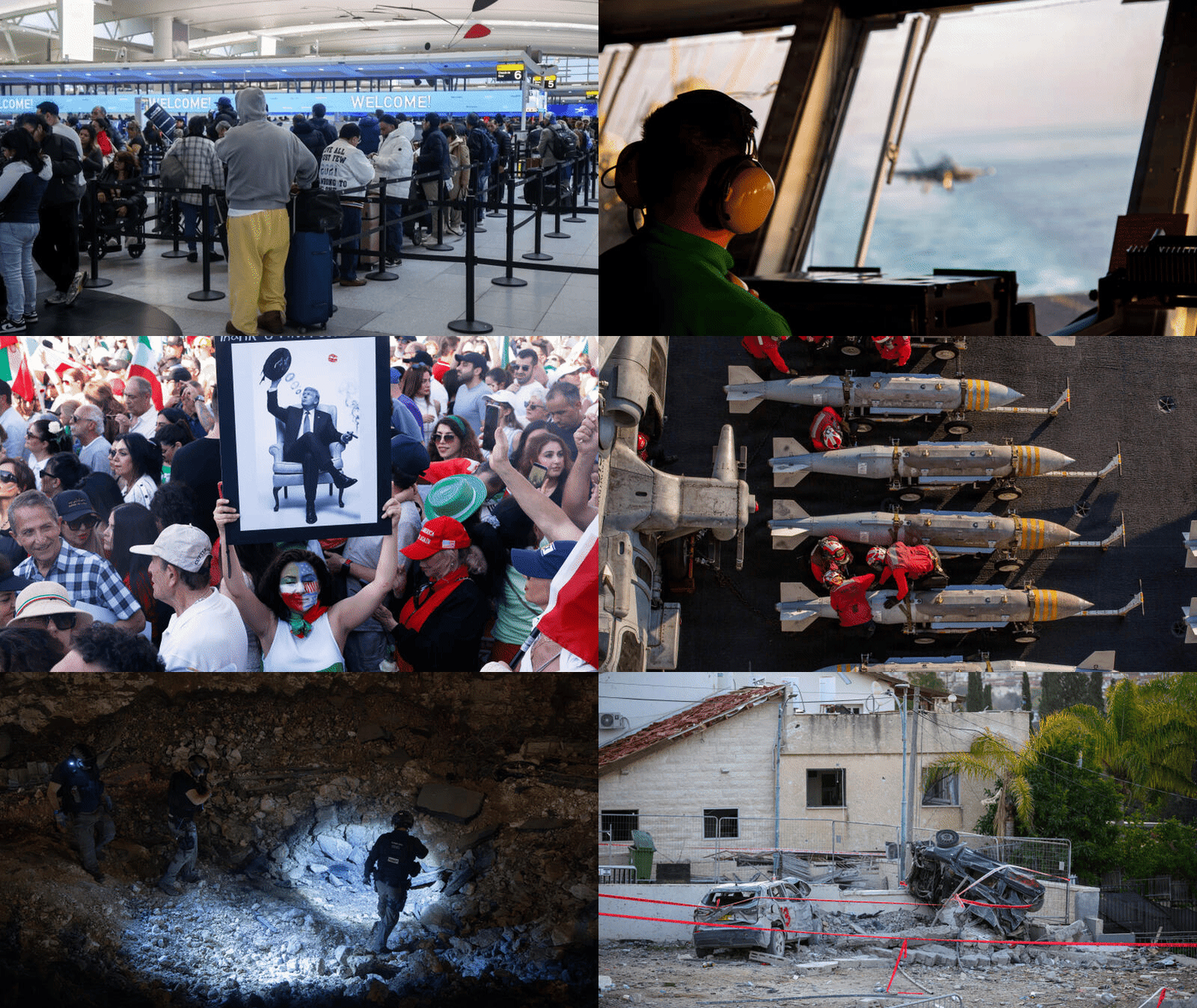
In a rapidly escalating conflict in the Middle East, US President Donald Trump has delivered his first public address since hostilities began, warning that the conflict could extend “far longer” than initially anticipated. Speaking to The New York Post, Trump hinted at a “big wave of strikes” and did not rule out the possibility of deploying US troops in Iran.
The situation intensified as an Iranian Revolutionary Guard official announced the closure of the Strait of Hormuz, threatening to fire on any ship attempting to pass. This strategic waterway is crucial for global oil transport, and its closure could have significant economic repercussions.
Military Engagements and Rising Tensions
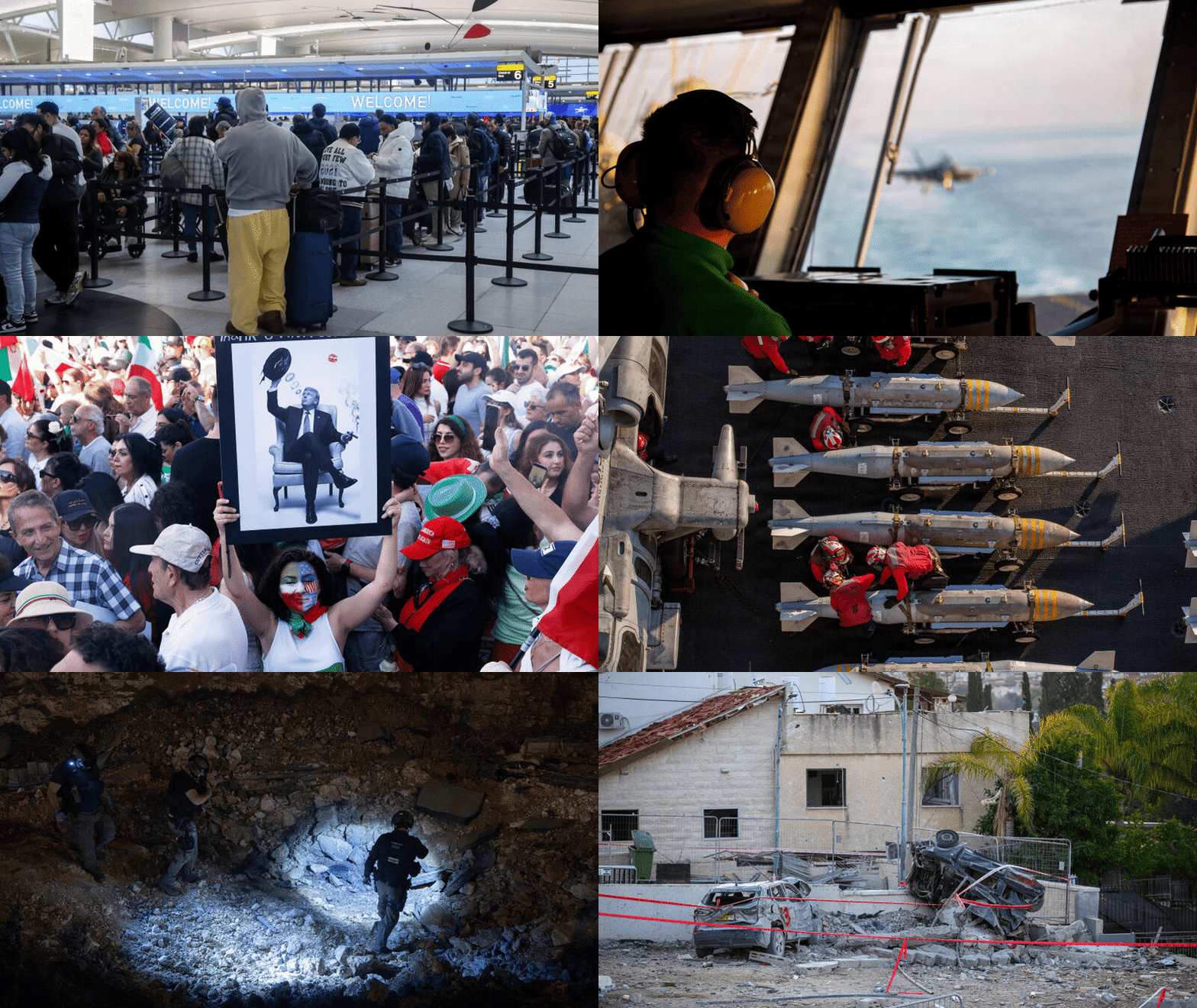
Amidst the chaos, three US fighter jets were mistakenly shot down by Kuwaiti air defenses. Fortunately, all six crew members ejected safely. However, the US Central Command confirmed that American military casualties have risen to six, following the discovery of two previously unaccounted-for personnel.
Iran has intensified its military actions, launching over 70 missile and drone strikes on multiple countries including Israel, Lebanon, the UAE, Kuwait, and Iraq. The Iraqi city of Erbil has been particularly hard-hit, according to Iraq’s Foreign Ministry.
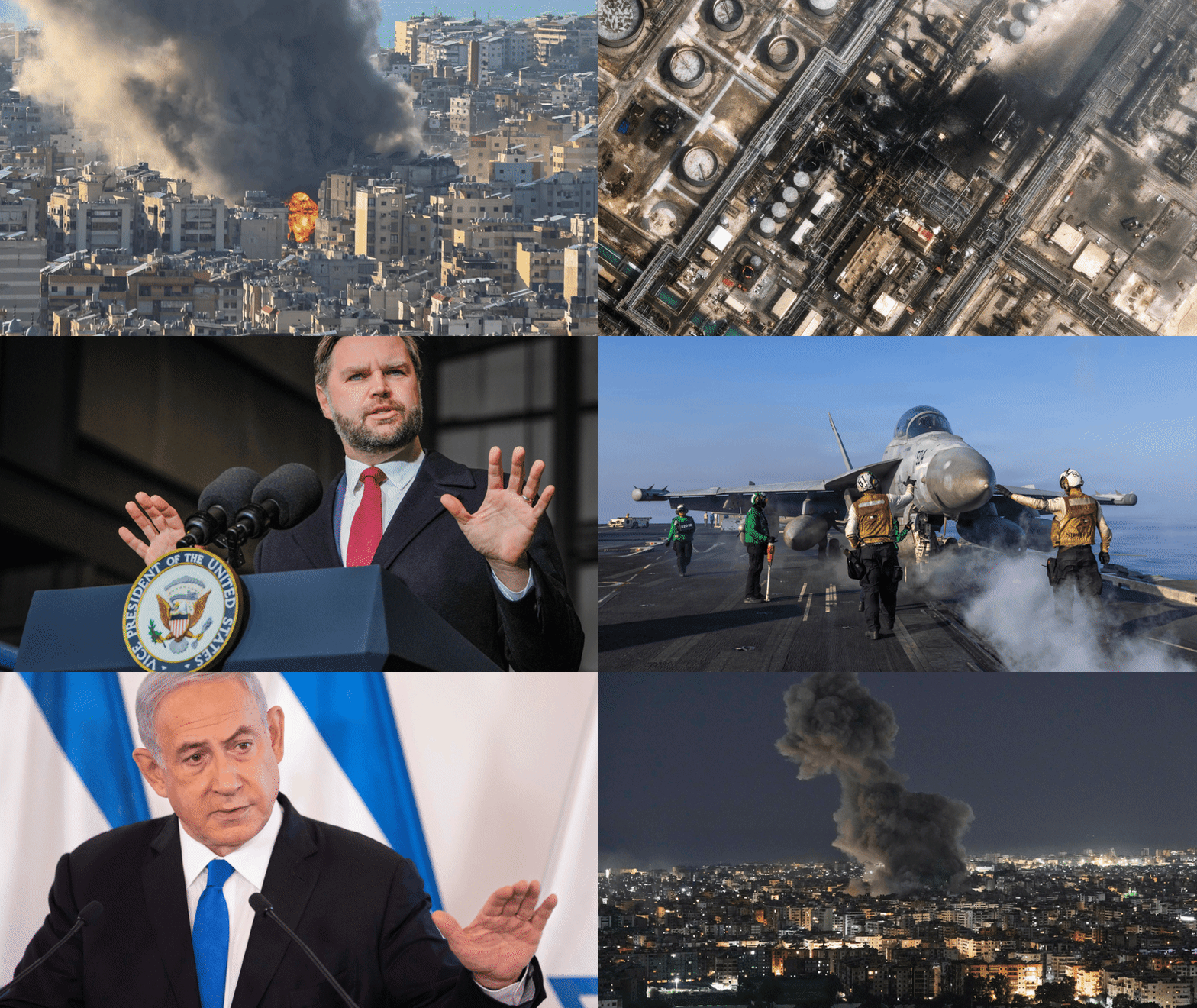
In Saudi Arabia, the Ras Tanura oil refinery, the largest in the country, was forced to close after shrapnel from an intercepted Iranian drone ignited a fire. This incident underscores the vulnerability of critical infrastructure in the region.
International Reactions and Strategic Implications
The Australian government is exploring contingency plans to assist its citizens stranded in the region, as commercial flights remain grounded. Defence Minister Richard Marles confirmed that Australia’s Al Minhad air base near Dubai was targeted by Iranian drones, though personnel were unharmed.
Meanwhile, Qantas CEO Vanessa Hudson assured that the airline is doing “everything we can” to support customers affected by the conflict. She acknowledged the impact of rising oil prices on aviation but noted that Qantas has hedging strategies in place to mitigate short-term effects.
Diplomatic and Military Responses
Israeli Prime Minister Benjamin Netanyahu has claimed that Iran’s nuclear program was on the verge of becoming “immune” to attack, justifying the preemptive strikes. However, Rafael Grossi, head of the UN nuclear watchdog, reported no evidence of damage to Iran’s nuclear facilities.
US Vice President JD Vance emphasized that President Trump is committed to a clear objective: preventing Iran from acquiring nuclear weapons. Vance assured that the US would avoid a prolonged conflict similar to Iraq and Afghanistan.
“There’s just no way that Donald Trump is going to allow this country to get into a multi-year conflict with no clear end in sight,” Vance stated.
Regional Impact and Humanitarian Concerns
The conflict has prompted Bahrain to issue warnings for its citizens to seek shelter amidst fears of further Iranian strikes. The US embassy in Saudi Arabia has also been targeted by drone strikes, causing a limited fire and prompting the US to advise its citizens in the region to shelter in place.
The humanitarian toll is mounting, with Iran’s Red Crescent reporting over 550 Iranian fatalities. The situation remains dire as the conflict shows no signs of abating.
Looking Ahead
As the situation continues to evolve, the international community watches closely. The potential for further escalation remains high, with significant implications for global security and economic stability. The coming days will be critical in determining the trajectory of this conflict, as diplomatic efforts and military strategies unfold.