




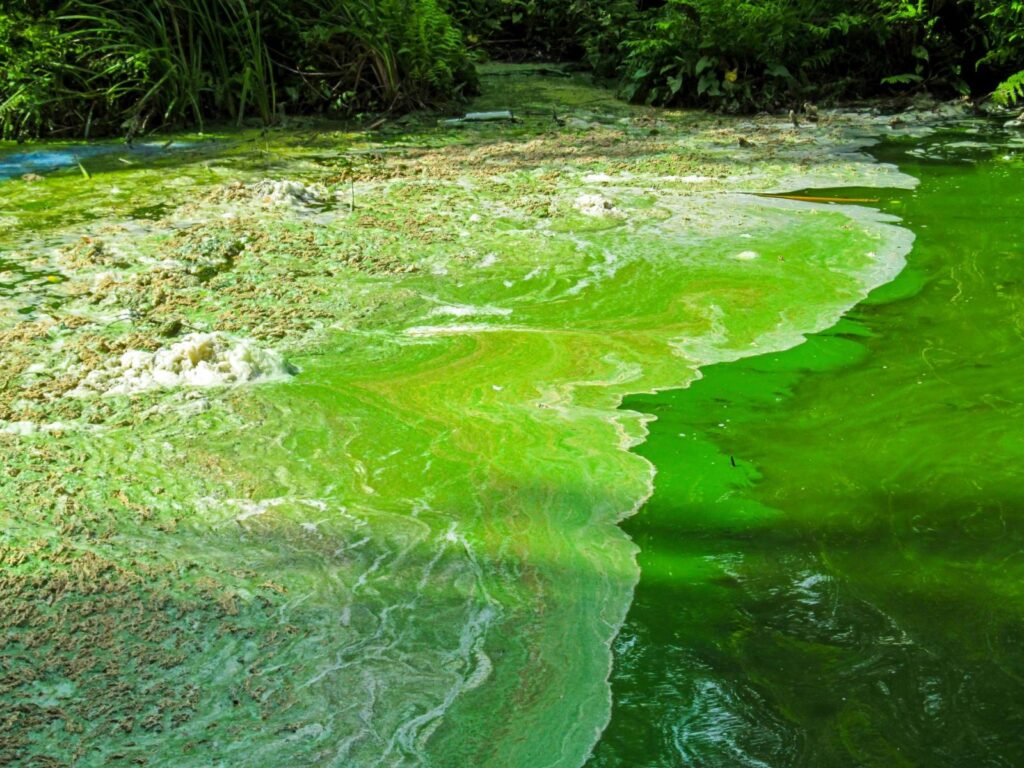
Toxic algae blooms, notorious for closing beaches, harming fisheries, and posing health risks, have long been attributed to fertilizer runoff and sewage. While these remain significant factors, new research indicates that plastic pollution might also be contributing to these hazardous conditions.
According to Mario Aguilera at Phys.org, researchers from UC San Diego conducted a study examining the impact of various plastics on aquatic ecosystems. Over a three-month period, they tested 30 experimental pond ecosystems, comparing the effects of conventional fossil fuel-based plastics with newer biodegradable alternatives. The findings revealed that petroleum-based microplastics can decimate zooplankton populations, tiny grazing animals essential for controlling algae growth.
The Role of Zooplankton in Aquatic Ecosystems
Zooplankton are crucial for maintaining the balance of aquatic ecosystems. They not only help regulate algae populations but also support the broader food web, including fish and other wildlife. In the study, tanks containing fossil fuel plastics saw a rapid decline in zooplankton numbers, leading to a subsequent surge in algae levels. Conversely, biodegradable plastics had a much less detrimental effect on zooplankton and overall ecosystem health.
The research also noted changes in bacterial communities surrounding the plastics, which could further destabilize water quality. This issue extends beyond local environments, as plastic pollution is a global concern, found everywhere from deep ocean trenches to polar ice caps.
Global Implications and Human Health Concerns
Microplastics are not just an environmental issue; they also raise significant questions about human health. Researchers have detected microplastics in human blood and organs, sparking concerns about their potential impact on health. The study, published in Communications Sustainability, suggests that transitioning to plastics designed to biodegrade safely could mitigate harm in aquatic environments.
“We cannot recycle our way out of this alone. Choose reuse when you can, support smarter materials, and lean into plant-based habits that lower demand for fossil fuel-intensive products.”
This statement underscores the necessity for systemic changes in how we produce and consume plastics. The shift towards biodegradable materials is a crucial step in addressing the broader environmental challenges posed by plastic pollution.
Expert Opinions and Future Directions
Experts agree that while biodegradable plastics offer a promising solution, they are not a panacea. Comprehensive strategies involving reduction, reuse, and recycling, alongside innovations in material science, are essential. Dr. Jane Smith, an environmental scientist, emphasizes the importance of public awareness and policy changes to drive meaningful progress.
“The move towards sustainable materials is vital, but it must be part of a larger framework that includes reducing overall plastic consumption and improving waste management systems,” Dr. Smith notes.
As the world grapples with the pervasive issue of plastic pollution, this research highlights the urgent need for a multifaceted approach. Policymakers, industry leaders, and consumers must collaborate to foster sustainable practices and technologies that protect both the environment and public health.
The study’s findings are a call to action, urging individuals and communities to make informed choices that prioritize ecological well-being. As we look to the future, embracing innovative solutions and fostering global cooperation will be key to mitigating the impacts of plastic pollution on our planet.