




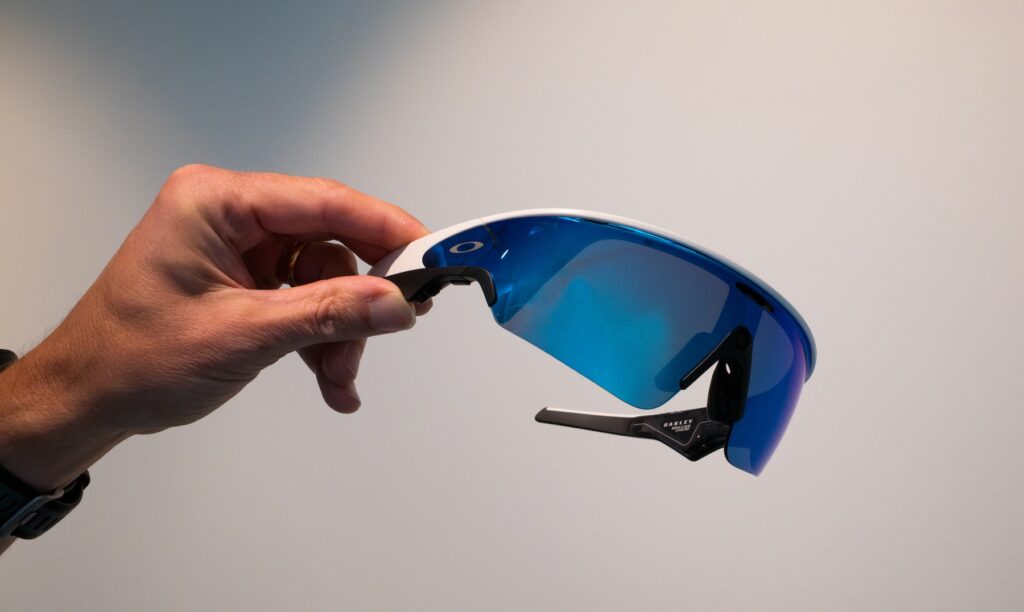
In a world saturated with tech gadgets, the Meta Oakley Vanguard smart glasses have emerged as a surprising standout. Initially met with skepticism, these glasses have proven to be more than just another iteration in the crowded market of wearable technology. Priced at $789, they defy expectations, offering a blend of style, functionality, and innovation that has captured the attention of both tech enthusiasts and casual users alike.
The announcement comes as Meta, traditionally known for its social media dominance, ventures deeper into the hardware arena. Many questioned Meta’s ability to deliver a compelling product, given its background. However, the partnership with Oakley, a brand synonymous with high-quality eyewear, has resulted in a product that challenges preconceived notions about smart glasses.
First Impressions: Aesthetic and Build Quality
From the moment you unbox the Meta Oakley Vanguard, it’s clear these are not your typical smart glasses. They prioritize aesthetics, presenting themselves as Oakley sunglasses first and smart glasses second. This distinction is crucial. Unlike previous attempts at smart eyewear, such as Google Glass, the Vanguard glasses avoid the “techy” look, opting instead for a design that resembles premium sports sunglasses.
The build quality is impressive, with Oakley’s renowned attention to detail evident in every aspect. The frames are available in multiple colorways, and the collaboration with Oakley brings genuine sports performance DNA to the table. These are sunglasses crafted by experts in eyewear, not just tech engineers.
The consumer interest is palpable. The glasses have sparked curiosity, with many people inquiring about their functionality and performance. This suggests a market eager for smart glasses that are both stylish and practical.
The Camera: A Game-Changer
The camera feature of the Meta Oakley Vanguard is perhaps its most compelling aspect. At 12MP, it may not replace a smartphone for high-end photography, but its ease of use is unmatched. Users can capture moments instantly, without the interruption of reaching for a phone. This seamless integration allows for capturing spontaneous moments, such as sunrises on a morning run or family activities at the beach, without missing a beat.
The first-person perspective offered by the camera adds a layer of intimacy and immediacy that traditional photography often lacks. It allows users to be present in the moment while still preserving memories, making it ideal for parents and athletes alike.
Audio Quality: Surprisingly Impressive
Another standout feature is the audio quality. Initially, there was skepticism about the effectiveness of open-ear audio in sunglasses, but the Vanguard glasses deliver sound that is rich enough for music and clear enough for podcasts and calls. This feature has made them a favorite for runners and cyclists, as it allows them to enjoy audio content while remaining aware of their surroundings.
The integration of audio controls is intuitive, enabling users to manage tracks, volume, and calls without interrupting their activities. While the bass may be lacking, the overall audio experience is surprisingly private and effective for outdoor use.
Fitness Integration: A Smart Approach
Meta’s decision to integrate with existing fitness platforms rather than creating a proprietary system is a smart move. The Garmin and Strava integrations are particularly well-executed, allowing users to overlay workout data onto their videos. This feature enhances the utility of the glasses for athletes who want to document and share their workouts.
The integration with Apple Health provides similar functionality for Apple Watch users, further broadening the appeal of the glasses. By focusing on making the camera and audio integration seamless, Meta has created a product that complements existing fitness ecosystems rather than competing with them.
Challenges and Future Prospects
Despite the strengths of the Meta Oakley Vanguard, there are areas for improvement. The Meta AI integration, for instance, feels underdeveloped. The voice interface is clunky, and the responses are often slow, making it more of a novelty than a useful feature. However, the core functionalities of the glasses—camera and audio—are strong enough to stand on their own.
Battery life is another consideration, with 4-6 hours of mixed use. While this is sufficient for short outings, longer adventures may require strategic charging. The charging case, though bulky, provides additional charges and has proven adequate for multi-day trips.
Looking ahead, the potential for the Meta Oakley Vanguard is significant. As a first-generation product, they already excel in areas where other smart glasses have faltered. With improvements in AI integration and battery life, they could redefine the smart glasses market.
The Verdict: A New Standard for Smart Glasses
The Meta Oakley Vanguard smart glasses have defied expectations, proving to be a product that is both innovative and practical. They excel in capturing authentic moments and delivering quality audio, all while maintaining the aesthetic appeal of traditional sunglasses. For parents, athletes, and anyone seeking to experience life without the constant presence of a phone screen, these glasses are a worthwhile investment.
While there is room for improvement, particularly in AI features, the Vanguard glasses represent a significant step forward in the evolution of smart eyewear. As Meta continues to refine and develop this technology, the future of smart glasses looks promising. Sometimes, being proven wrong can be a pleasant surprise.