




The Cairns and Hinterland Hospital and Health Service has taken a significant step to enhance community safety by rebranding the potentially deadly tropical disease melioidosis as “melio.” This decision follows an alarming increase in cases, with the region witnessing an almost fourfold surge this year.
Melio, a soil-borne bacterial infection common in northern Australian tropics, is often triggered by heavy rainfall. The Cairns region, spanning from Cardwell in the south to Cow Bay in the north and extending to Croydon in the west, has reported 131 cases and 17 deaths this year alone.
Personal Stories Highlight the Disease’s Impact
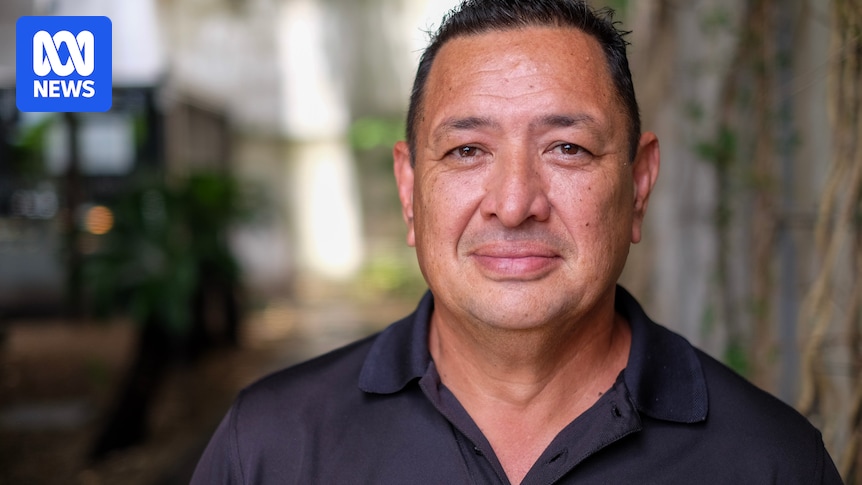
Among those affected is Chuck Irvine, a 52-year-old plumbing business manager from Cairns, who survived the disease. “It was terrifying, painful, and very scary,” Irvine recounted. Initially mistaking his symptoms for a flu-like illness, he sought medical attention after enduring three weeks of high fevers.
Following a series of tests and scans at Cairns Hospital, Irvine was diagnosed with the bacterial infection affecting multiple parts of his body, including his lungs and right leg. “I had the sweats and the shivers,” he described, noting the uncertainty surrounding how he contracted the disease during the dry season.
Statistics and Health Campaigns
According to state health authorities, Queensland has recorded 248 cases of melioidosis this year, with additional cases reported in the Northern Territory and Western Australia. The Cairns region alone surpassed its previous highest annual record of 55 cases in 2022.
“We’ve changed it to make it easier to remember. People can start a conversation about it,” said Jacqueline Murdoch, director of the Cairns Public Health Unit.
The rebranding is part of a broader campaign aimed at encouraging residents to protect themselves from the bacteria, especially during periods of heavy rain. Dr. Murdoch advises individuals with pre-existing conditions to remain indoors during such times.
Scientific Efforts and Future Concerns
Despite the rebranding and awareness efforts, the reason behind the sharp increase in cases remains unclear. Dr. Murdoch mentioned ongoing investigations, including genomic sequencing and environmental sampling, to better understand the bacteria’s behavior.
“We know the bacteria doesn’t live in all kinds of soil or clay. We don’t know if it’s going to happen again this year,” she explained.
For survivors like Irvine, the experience has been life-altering. Nearly six months after his diagnosis, he reports being back to “95 percent” health, though the ordeal cost him three months of sick leave.
Community Awareness and Precautions
As a long-term Cairns resident, Irvine was aware of melioidosis but never imagined it would affect him. “I’m not out digging around in the dirt very much,” he said, emphasizing his caution while gardening.
The rebranding of melioidosis to “melio” aims to simplify communication and encourage proactive measures among residents. With the wet season approaching, health authorities continue to stress the importance of awareness and preventive actions to mitigate the disease’s impact.