




In a historic 109-year-old building nestled amidst the modern high-rises of Melbourne’s Docklands district, Ronnie Murphy prepares to welcome seafarers who have spent months navigating the world’s oceans. “Sometimes I’m at the door before I can hear them coming,” shares Ronnie, a dedicated volunteer at the Mission to Seafarers for the past 18 months.
This initiative, rooted in the Anglican church, is part of a global network of 230 mission sites, each housing a Flying Angel Club. These clubs are composed of staff, chaplains, and volunteers like Ronnie, all committed to the welfare of those who live and work at sea. “It’s a real connection, and it’s a place where they come and merge to be able to tell their stories,” Ronnie explains.
Globally, 1.89 million people are employed on marine vessels, transporting the goods that fuel our daily lives. At the Port of Melbourne, Australia’s largest container port, approximately 30,000 seafarers dock annually. The Mission to Seafarers provides essential support to this often-invisible workforce, offering warmth, empathy, logistical help, or even just a cup of tea.
The Vital Role of the Mission
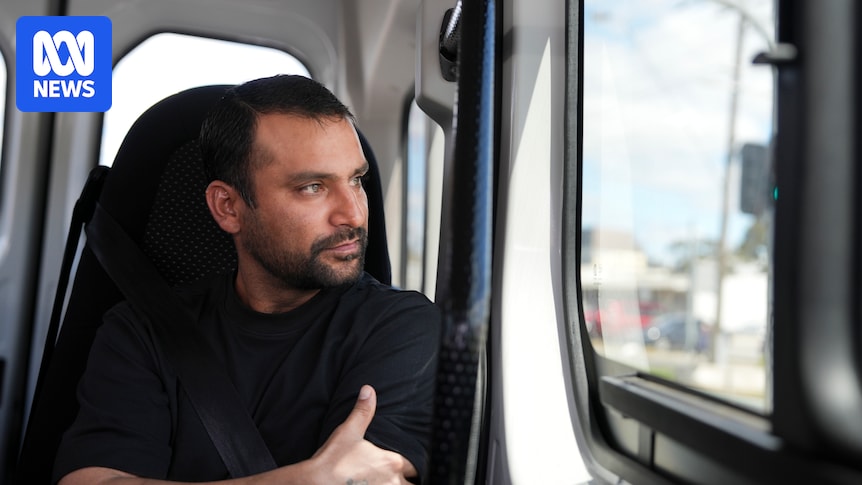
At the mission, a call comes in from Gellibrand Port in Williamstown, where a vessel has just docked. A small group of seafarers has been granted a mere three hours on shore before they must return to their ship. Assistant chaplain Heidin Kunoo, one of two chaplains at the mission, quickly jumps into the minibus to collect them.
Upon arrival at the dock, the seafarers climb into her van. Despite language barriers, shared smiles, to-do lists, and animated stories of life at sea soon fill the vehicle. “We have really good jokes sometimes all the way back to the mission,” Heidin says, familiar with the seafarer pick-up points around Melbourne.
During their brief time on land, contacting family and shopping for gifts are top priorities for the seafarers. Bhanu Mahajan from India, a seafarer for 12 years, is visiting Australian shores for the first time. In just a few hours, his vessel will depart for Malaysia. “The only bad part of this job is that we are far away from family,” he reflects.
Challenges and Support in a Dangerous Occupation
Mission to Seafarers CEO Neil James highlights the inherent dangers of seafaring, a critical occupation for an island nation like Australia. “Probably 95 percent of anything that someone has consumed, worn, driven, watched, used, sat on, on a particular day has all come by sea,” he notes.
“Seafaring has always been a dangerous occupation,” Neil James, CEO of Mission to Seafarers
Despite the growing number of ships, advancements in efficiency and technology have led to a reduction in crew sizes. “They’re 24/7 factories … so there’s a welfare issue out there,” Neil explains. Many seafarers take to the seas to escape economic hardship, making the mission’s support even more crucial.
Complexities of Maritime Employment
For a vessel to operate, it must be registered to a country, leading to a competitive environment that often results in cost-cutting and lenient workplace laws. This scenario is known as a “flag of convenience,” where a ship’s registration may not align with its actual ownership. “A ship could be owned by an American company, its crew enlisted by a Filipino manning agency, the ship itself is managed out of Singapore, but it’s flagged under Monrovia [the capital of Liberia],” Neil explains.
Matt Purcell, assistant coordinator for the International Transport Workers’ Federation in Australia, emphasizes that flags of convenience can exacerbate poor conditions for workers. “Some vessels avoid paying crews their wages, avoid upkeep of the vessels, avoid decent living conditions and they try to avoid feeding them,” he says.
Shore leave, regulated by the Maritime Labour Convention, is often limited to just a few hours, and some shipmasters deliberately restrict access to ensure crew compliance.
A Changing Landscape for Seafarers
Inni Punay, a chaplain at the mission, reflects on how the seafaring experience has evolved. “It’s a far cry from the past,” she says. “In the old days, the ship was here for two to three days. They could come up, go to a party and go dancing. There are even some stories of meeting future wives.”
Despite the reduced shore leave, the mission’s volunteers continue to offer a warm welcome to seafarers. Over the past three years, the volunteer team has grown from 12 to nearly 70 members. “We’ve been spending a lot of time just trying to make their experience as valuable as possible,” Neil says. “They are the backbone to the organisation; they are the organisation.”
At the mission, Joe, a seafarer for seven years, prepares to return to his ship, laden with gifts and having visited his favorite Melbourne spots, including a discount shopping center and a nearby fast-food chain. “Nothing beats the sales,” he laughs, appreciating the mission’s support, including free wi-fi and transport.
After a busy day, volunteer Ronnie Murphy offers the seafarers a final kindness—handmade beanies for cold nights at sea. “They’ve done everything. They are just happy,” she observes. “You get a sense that they have had a really genuine break,” Neil adds.
Tomorrow, the mission’s doors will open once more, ready to welcome more seafarers who journey across the globe, landing briefly on our shores before returning to the vastness of the sea.