

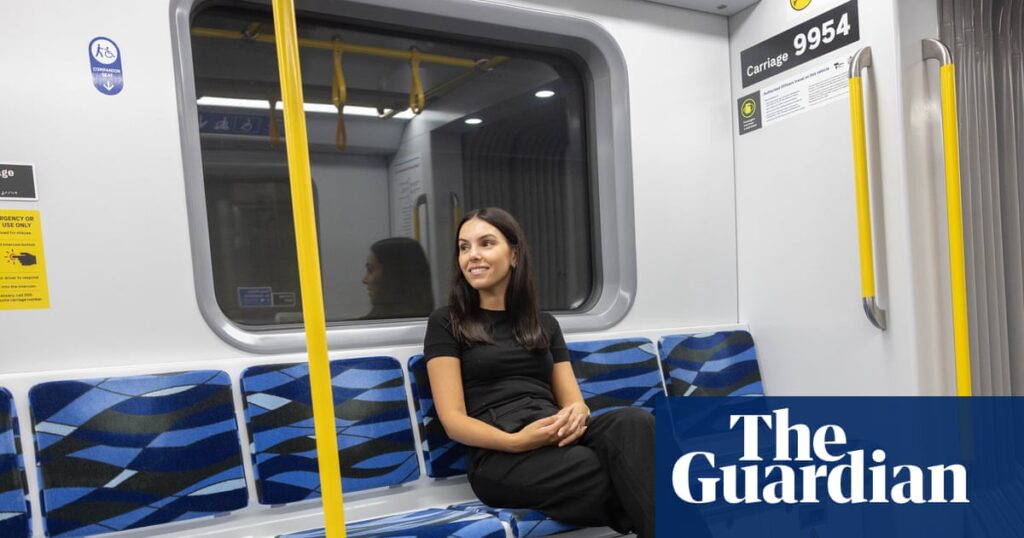
Earlier this month, the Victorian government inaugurated the Metro Tunnel, a $14 billion infrastructure project that has been eagerly anticipated by Melbourne’s residents. Dubbed the “big switch” by officials, the Cranbourne, Pakenham, and Sunbury lines were rerouted through the Metro Tunnel on February 1, while the Frankston line returned to the city loop. The government promises faster, more frequent services, thanks to high-capacity signaling and five new stations, aiming to emulate the success of Sydney’s metro system, which opened in 2024.
However, the transition has not been entirely smooth. On just the second afternoon peak under the new timetable, an overhead power fault at Armadale left commuters stranded on two trains for hours in sweltering conditions before they were evacuated. Although the fault occurred outside the tunnel, it caused widespread delays. Additionally, confusion has plagued platforms, with Cranbourne-Pakenham passengers disembarking at Caulfield to transfer to the Frankston line, leading to overcrowding.
Some of the initial chaos has been attributed to mapping apps, which took several days to update and accurately reflect the new connections between the tunnel and loop stations. Despite these hiccups, the Allan government remains optimistic. “We know this is a big adjustment – the biggest change to our transport network in more than 40 years – and we’ve got extra staff on the ground to help people get where they need to go,” said Transport Infrastructure Minister Gabrielle Williams.
Riding the Metro Tunnel: A Firsthand Experience
To assess whether the Metro Tunnel lives up to its promises, Guardian Australia spent a day navigating the new system. Arriving at Caulfield on a city-bound Frankston train just before 10 am, the platform was bustling with passengers transferring from the Metro Tunnel line, despite signs urging them to stay on the train until reaching a city station. In contrast, the platform for trains bound for Watergardens via the tunnel was noticeably quieter.
The government has increased onboard announcements and made changes to encourage more passengers to use the loop, reporting a rise in numbers following the “big switch.”
Exploring the New Stations
The first stop, Anzac station, located on St Kilda Road opposite the Shrine of Remembrance, features green columns and timber canopies reflecting the nearby Royal Botanic Gardens. The journey from Caulfield took just nine minutes, highlighting the potential for improved connectivity.
Next, Town Hall station, one of the most complex of the new stations, reveals a mix of completed and unfinished elements. While the City Square exit is light-filled, other areas feel incomplete, with unopened shops and ongoing construction. The Federation Square exit won’t open until late 2026, as it is currently used for moving construction equipment.
At State Library station, 36 meters underground, the 42-meter-long escalator impresses, overtaking Parliament’s as Melbourne’s longest. The station’s design reflects the classical architecture of the State Library across the street, where a new exhibition, Rebel Heart: Love letters and other declarations, captivates visitors with its historical depth.
Challenges and Opportunities
Parkville station, connecting the city’s medical and research precinct to the train network for the first time, feels more established, with open shops and a steady flow of commuters. However, at Arden, a pigeon problem and quiet surroundings highlight the challenges of integrating new infrastructure into less developed areas. Originally intended to become a medical precinct, plans were scrapped due to electromagnetic interference concerns, and the government now plans to build 20,000 new homes in the area.
Despite these challenges, the Metro Tunnel represents a significant investment in Melbourne’s future. The project aims to address longstanding issues of congestion and connectivity, providing a foundation for future growth. The government hopes that as initial teething problems are resolved, the benefits will become increasingly apparent.
Looking Forward
As the day concludes, the journey back to Caulfield takes just 26 minutes, half the time it previously required. Throughout the day, trains were frequent, with waits never exceeding four minutes, even during off-peak times. The experience suggests that while the Metro Tunnel’s launch has faced challenges, its potential to transform Melbourne’s public transport network is undeniable.
With ongoing adjustments and improvements, the Metro Tunnel could indeed deliver on its promises, paving the way for a more connected and efficient Melbourne. The government and commuters alike hope that the initial hurdles are simply the growing pains of a transformative project.