



Retailers across Melbourne are gearing up for the annual surge of last-minute Christmas shoppers, even as industry experts note a growing trend towards early purchasing. With major department stores extending their hours until midnight on Tuesday, the city’s shopping centers reflect this dual trend. However, by Wednesday, most will revert to their regular closing time of 6pm.
Despite the shift towards early shopping, some purchases simply cannot be made in advance. Fresh produce traders, in particular, face long hours to meet holiday demand. At Queen Victoria Market, Christmas Eve shifts begin as early as 2am, highlighting the frenetic pace of the season.
Queen Victoria Market: A Hub of Holiday Activity
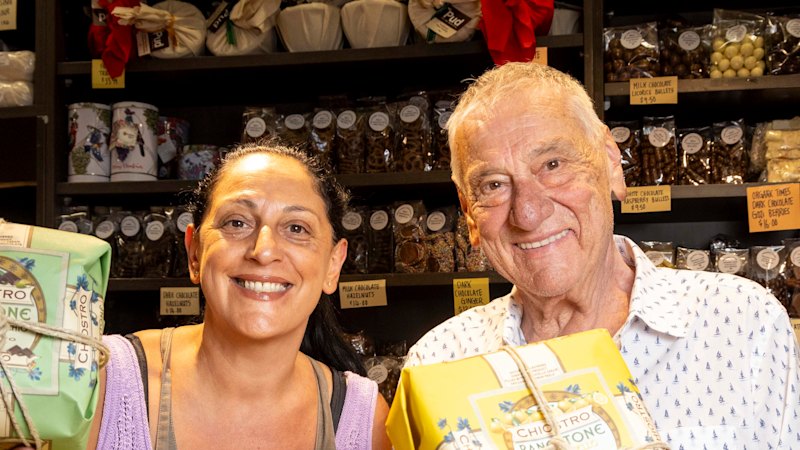
At the heart of this bustling market is M&G Caiafa, a specialty bakery that has been a staple for 52 years. On Wednesday, staff will arrive nearly three hours earlier than usual, having spent weeks preparing orders to ensure their goods are fresh and ready for Christmas. The bakery opens its doors at 5am, and by 10am, they will have sold approximately 1,000 croissants. By 11am, 2,000 baguettes will have been purchased by eager customers.
The holiday season is crucial for M&G Caiafa, as it accounts for about 50% of their annual revenue. Christmas Eve, in particular, stands out as their busiest day. Mary-Jane Caiafa, daughter of the founders Michael and Grace, underscores the importance of this period, noting that while the rush is significant, it pales in comparison to the bustling activity of two decades ago.
“There’s a big rush at the moment, but I just remember the market always being like this 20 years ago,” she said. “The Christmas hype [used to be] double what we get now in terms of customers coming through.”
Nearby, fruit vendors will start trading seasonal berries and stone fruits at 5am, continuing until they sell out. Specialty clothing stores will operate from 9am to 3pm, adding to the vibrant market atmosphere.
Changing Shopping Trends: From December to November
The last-minute rush at Queen Victoria Market is somewhat of an anomaly in the broader context of Christmas shopping. Increasingly, Australians are opting to research and shop earlier, capitalizing on the Black Friday sales in late November. This shift is attributed to the ongoing cost-of-living crisis.
Fleur Brown of the Australian Retailers Association (ARA) explains that this change is a strategic move by consumers to better manage household budgets. “November is the new December,” she notes, adding that retailers are observing a more balanced spending pattern.
The ARA predicts shoppers will spend $72.4 billion over the six-week pre-Christmas period, marking a 4% increase from 2024.
This anticipated growth is seen as a positive outcome amidst financial pressures. Brown emphasizes the significance of this period, as some retailers generate two-thirds of their annual profits during these weeks.
Retailers’ Strategies and Consumer Behavior
Retailers are adapting to these evolving consumer behaviors by maintaining multiple sales avenues, including online platforms, to accommodate last-minute shoppers. Brown advises these shoppers to remain considerate of retail staff, who may also be experiencing stress and, in many cases, are new to the workforce.
“It’s an intense period, tempers fray, but we don’t want their experience to be a harrowing one,” she said.
As the holiday season unfolds, Melbourne’s retailers are poised to navigate the challenges and opportunities presented by both early and last-minute shoppers. The outcome of this period will not only impact individual businesses but also provide insights into shifting consumer trends and economic resilience.