




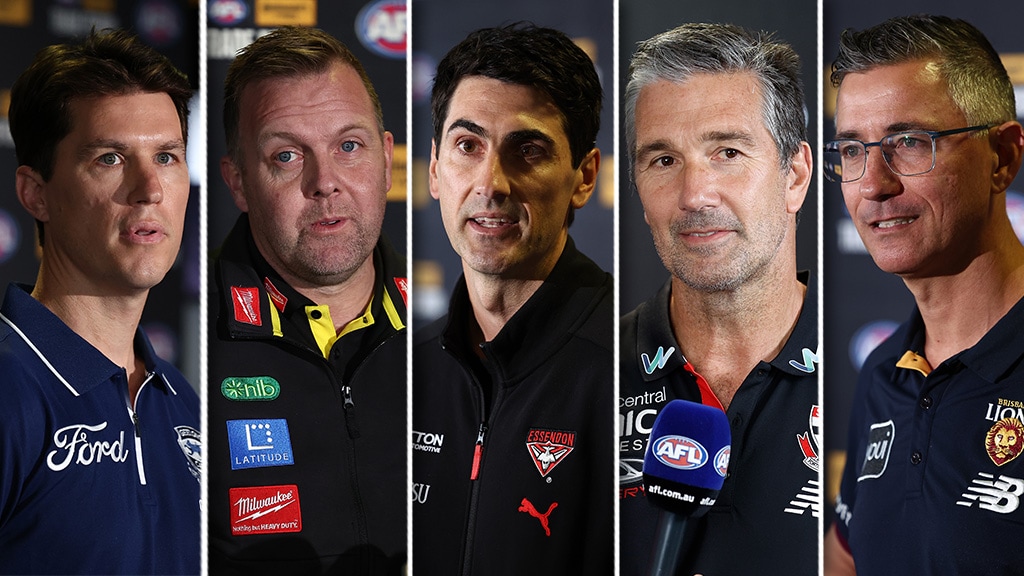
You don’t see them, but they work tirelessly every weekend in winter, often found in places like Ballarat, Brighton Grammar, and RSEA Park, seated in camping chairs rather than the stands of Marvel Stadium, Adelaide Oval, or the MCG. These dedicated individuals are the backbone of AFL clubs, responsible for scouting and recruiting the players who will one day shine under the stadium lights.
While list managers often face scrutiny during trade periods and drafts, the recruiting teams are composed of a diverse group of professionals, including national recruiting managers, pro scouts, and data analysts. Each club’s recruiting and list management department has its unique structure. So, who are the men and women shaping the future of your club?
The Architects Behind the Teams
Ahead of the 2025 Telstra AFL Draft, AFL.com.au has delved into the journeys of full-time recruiters from all 18 AFL clubs, as well as those involved with the 19th license in Tasmania. These individuals, often working behind the scenes, play a pivotal role in building the teams that fans cheer for.
For instance, Hamish Ogilvie has been selecting players for the Adelaide Crows since 2007. His career transition from the police force to coaching and then scouting is a testament to the varied backgrounds of these professionals. Similarly, Justin Reid, who joined the Crows as a list manager in 2014, brought with him years of experience as a player agent.
Building Dynasties: The Brisbane Lions
The Brisbane Lions’ recent success, including back-to-back premierships, can be attributed to a stable recruiting team. Dom Ambrogio, the list manager since 2017, and Steve Conole, the national recruiting manager since 2011, have been instrumental in the Lions’ rise. Their strategic vision and ability to identify talent have been key to the team’s achievements.
“Conole joined Brisbane after eight years as the regional manager at the Oakleigh Chargers and has stamped himself as one of the best in the business.”
Strategic Moves Across the AFL
Meanwhile, Carlton’s recruiting team, led by Nick Austin since 2020, has undergone significant changes. Austin’s journey from the Western Bulldogs to Carlton highlights the fluid nature of talent management within the AFL. His efforts, alongside national recruiting manager Michael Agresta, aim to restore Carlton’s former glory.
Collingwood has also revamped its recruiting strategy. With Justin Leppitsch transitioning into list management and Shane O’Bree taking over as national recruitment manager, the Magpies are poised for a strategic overhaul. These changes reflect a broader trend across the league, where clubs are continuously adapting to stay competitive.
Essendon and Fremantle: A Tale of Experience
Essendon’s recruitment strategy has been bolstered by the addition of Matt Rosa and veteran scout Rohan O’Brien. Their combined experience is expected to guide the Bombers through a critical phase of rebuilding. Similarly, Fremantle’s David Walls and David McMullin have been pivotal in shaping the Dockers’ roster since 2008.
“Walls started scouting at Brisbane in 1999 under recruiting guru Kinnear Beatson and has been a cornerstone of Fremantle’s recruiting strategy.”
The Evolving Landscape of AFL Recruitment
Across the league, clubs are not only focusing on immediate needs but also planning for the future. Geelong, for instance, has seen Andrew Mackie rise through the ranks to become GM of football, ensuring continuity and strategic foresight. Similarly, Gold Coast’s Craig Cameron has been promoted to GM of football, reflecting the importance of leadership in recruitment.
At Greater Western Sydney, Jason McCartney continues to oversee list management while Emma Quayle, the AFL’s first female recruiter, brings a fresh perspective to the Giants. Her transition from journalism to recruitment underscores the diverse skill sets valued in the industry.
Historical Parallels and Future Directions
Recruitment in the AFL has come a long way from its early days. The strategic moves and appointments across clubs highlight a shift towards data-driven decision-making and a focus on long-term success. As clubs continue to innovate, the role of recruiters will only grow in significance.
“The move represents a broader trend across the league, where clubs are continuously adapting to stay competitive.”
Looking ahead, the AFL’s recruiting landscape will continue to evolve, with clubs investing in technology and analytics to gain a competitive edge. As the 2025 Telstra AFL Draft approaches, the spotlight will once again shine on these unsung heroes who shape the future of the game.
In the end, while players may take center stage, it is the dedicated efforts of these recruiters that lay the foundation for their success. Their stories, often untold, are a testament to the passion and commitment that drive the AFL’s enduring legacy.