




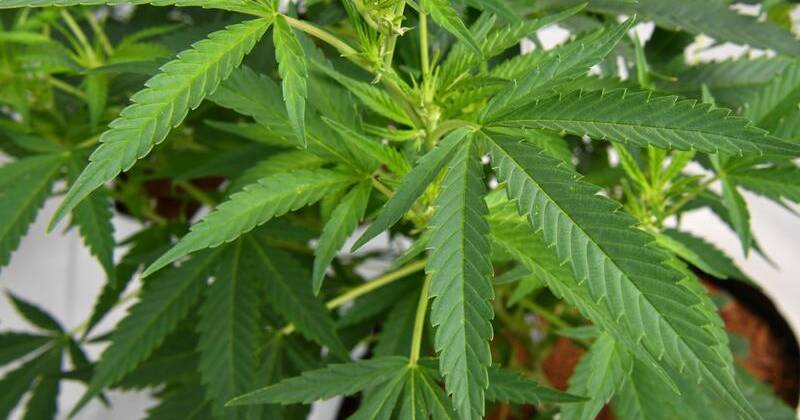
Groups advocating for medicinal cannabis are urging caution in response to a recent Australian study that questions the drug’s effectiveness for mental health treatment. The study, published in The Lancet Psychiatry, has sparked a heated debate over the future of medicinal cannabis in Australia, with advocates arguing that calls to discontinue its use are premature.
According to the study, which analyzed 54 randomized controlled trials conducted since 1980, there is scant evidence supporting the efficacy of medicinal cannabis in treating mental health conditions such as depression, anxiety, PTSD, and substance use disorders. Despite this, more than one million Australians have used medicinal cannabis, primarily in the last five years, to manage these conditions.
Study Findings and Expert Opinions
The research, led by experts from the University of Sydney, the University of Queensland, and Monash University, highlights that while medicinal cannabis may aid conditions like autism, Tourette’s syndrome, and insomnia, its routine use for mental health patients is rarely justified. Lead author Jack Wilson emphasized the potential risks, stating:
“We now know that the risk of developing a cannabis-use disorder among those who are using cannabis for medical use, compared to those using cannabis non-medically, is just as high. It can also make your mental health symptoms worse.”
The study also found that medical marijuana could exacerbate cocaine cravings in individuals with dependency issues. Participants in the reviewed studies who consumed cannabis products experienced more side effects compared to those given a placebo, although serious adverse events did not significantly differ between the groups.
Industry Response and Regulatory Concerns
Despite the study’s findings, the Cannabis Council Australia, a peak body for medicinal cannabis prescribers, argues that the research does not spell the end for the industry. A spokeswoman for the council stated:
“A comprehensive real-world evidence data registry is needed to enable ongoing, formal evaluation of safety, quality, and efficacy of medicinal cannabis.”
John Ryan, chief executive of drug safety group Penington, also weighed in, noting that while many patients report significant benefits from cannabis treatment, there remains insufficient data to confirm its efficacy. He emphasized the need for cautious reforms to improve patient health and safety outcomes.
Australia legalized medicinal cannabis in 2016 and relaxed regulations in 2021, allowing its use for over 250 health conditions. However, the Australian Medical Association and other medical bodies have raised concerns about the unregulated growth of the industry. Notably, more than 99% of medicinal cannabis products prescribed in Australia have not been approved by the Therapeutic Goods Administration (TGA), the national drug regulator.
Implications and Future Directions
The study’s findings underscore a significant gap between the limited evidence supporting cannabis use and its widespread clinical application. This discrepancy suggests that the drug could potentially delay more effective therapies for mental health patients.
A TGA spokesman indicated that investigations into the current regulatory framework are ongoing, following a consultation last year that received over 750 submissions advocating for stronger product quality standards and labeling requirements.
As the debate continues, the future of medicinal cannabis in Australia remains uncertain. Advocates and regulators alike are calling for more robust research and regulatory measures to ensure the safe and effective use of cannabis in medical treatments.
For those affected by mental health issues, support is available through services like Lifeline at 13 11 14 and beyondblue at 1300 22 4636.