


Health authorities in New South Wales are urging families to ensure their children are vaccinated against measles, amid fears that the state could record its highest number of cases in a decade if local transmission of the highly contagious disease is not contained. The warning comes as NSW Health reports a significant increase in measles cases, with 60 cases recorded between January 1, 2025, and March 7, 2026.
Eight of these cases were locally acquired and not directly linked to international travel, indicating community transmission. Dr. Vicky Sheppeard, NSW Health’s Executive Director of Health Protection, emphasized the importance of vaccination in controlling the outbreak. “If that’s not properly controlled, then we could see more cases arising from within NSW,” she stated.
Vaccination Efforts Intensify
In response to the rising cases, health authorities are promoting free vaccines for infants traveling overseas before their first scheduled immunization at 12 months. This measure is part of a broader effort by Australia to combat a global surge in measles cases. Dr. Sheppeard noted that while most overseas-acquired cases have originated from tourist hotspots in South-East Asia, the risk is present for all international travelers.
“Being on a plane anywhere overseas, there’s a risk,” Sheppeard warned, urging parents to vaccinate their infants before travel. The current situation has drawn comparisons to 2019, when NSW recorded 62 cases, the highest since 2014. With 26 cases already reported this year, the potential for surpassing previous records is a growing concern.
Personal Stories Highlight Risks
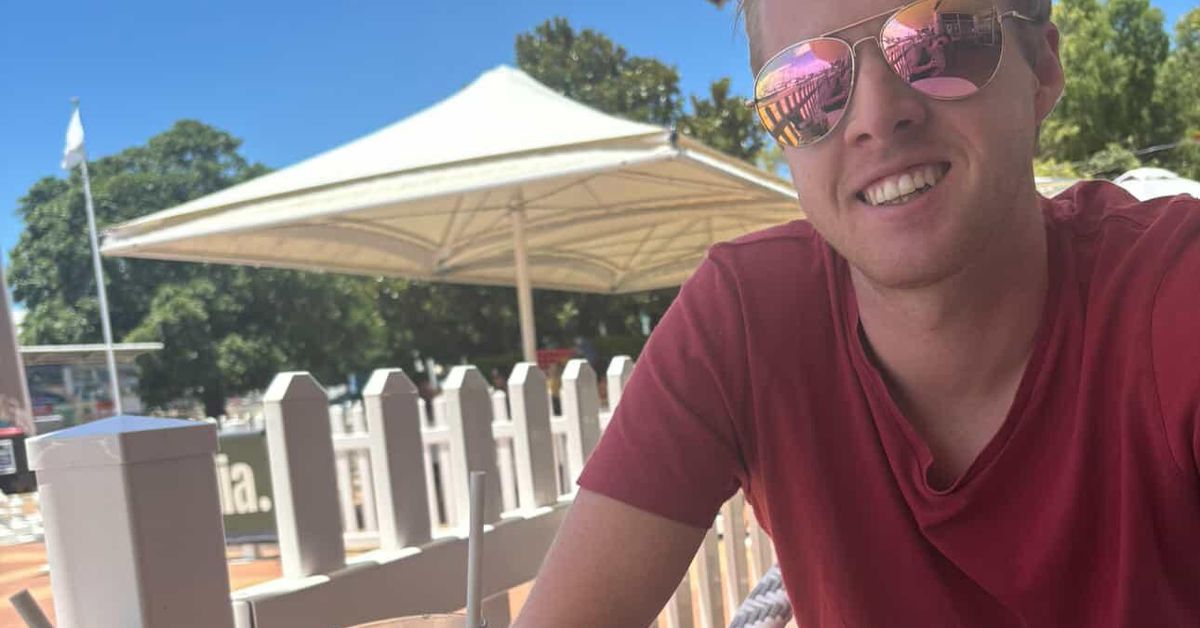
Adam Mather, a pilot from Sydney’s upper north shore, experienced the risks firsthand when his 11-month-old son Taylen contracted measles after a family trip to Bali. Taylen had not yet received his measles vaccination, and upon returning to Australia, he developed symptoms that included a runny nose, high fever, and a rash.
“I was probably a little bit naive,” Mather admitted, reflecting on the decision to travel without vaccinating Taylen. Fortunately, Taylen avoided hospitalization, but the incident underscores the potential severity of measles, as 77% of those who contracted the disease in NSW since January last year required hospital care.
Vaccination Proves Effective
Mather’s experience also highlighted the effectiveness of vaccines. His four-year-old son Tobie, who was fully immunized, did not contract measles despite exposure. “It just goes to show that they [vaccines] work,” Mather said, advocating for vaccination as a critical preventive measure.
The push for vaccination comes as health experts warn of the broader implications of unchecked measles outbreaks. Measles is not only highly contagious but can lead to severe complications, especially in young children and those with weakened immune systems.
Looking Ahead
As NSW Health continues to monitor and respond to the situation, the emphasis remains on vaccination and public awareness. The current outbreak serves as a reminder of the importance of maintaining high vaccination rates to prevent the resurgence of diseases that are otherwise preventable.
For families planning international travel, the message is clear: ensure children are vaccinated to protect them from potential exposure to measles and other infectious diseases. The ongoing efforts by health authorities aim to curb the spread of measles and safeguard public health in NSW and beyond.