


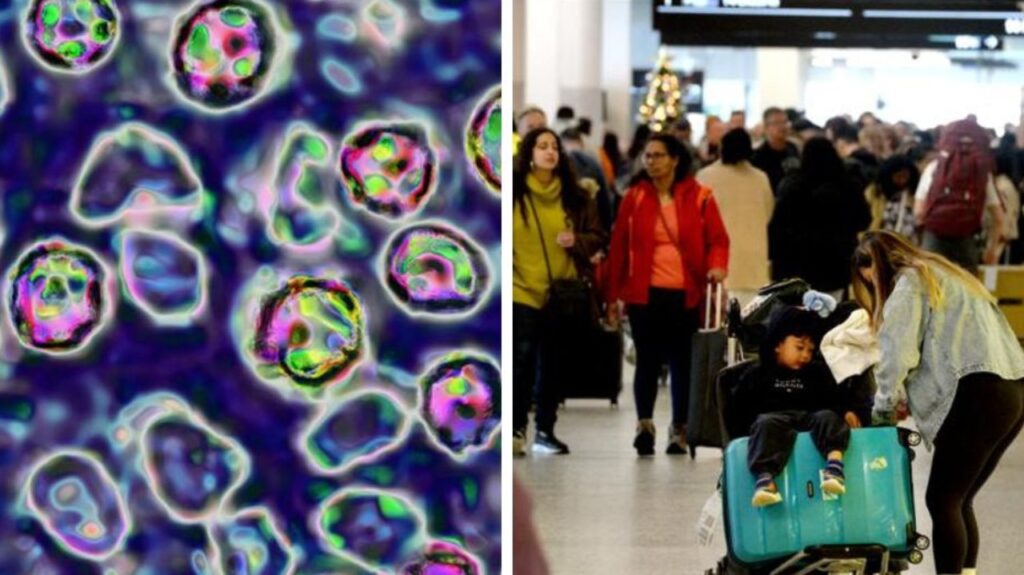
On Saturday, Victoria’s health department confirmed two new cases of measles, raising the total to four confirmed cases in the first month of 2026. The cases have been linked to international travel to South-East and South Asia, with exposure sites identified on flights from Phuket, Vietnam, and Dubai.
This development has prompted the department to publish a new list of locations visited by infected individuals. Those who have been to these sites are advised to monitor for measles symptoms for up to 18 days following their visit. Symptoms include fever, cough, runny nose, red or sore eyes, or a general feeling of being unwell, followed by a rash that typically begins on the face and spreads downward.
Authorities urge individuals to seek medical care if symptoms develop. Those who suspect they have measles and have not received two doses of the measles-mumps-rubella (MMR) vaccine, or are unsure of their vaccination status, should contact their GP.
Exposure Sites and Public Health Recommendations
The following locations have been identified as exposure sites:
- Sunshine Hospital, St Albans, from 4.45am to 3.40pm on January 30
- San Remo Pelican Feeding, San Remo, from 12pm to 12.40pm on January 30
- Koala Conservation Reserve, Rhyll, from 10.15am to 12.15pm on January 30
- Koo Wee Rup Medical Centre, Koo Wee Rup, from 2.30pm to 4.30pm on January 29
- Melbourne Airport, Terminal 2, Tullamarine, from 6.25am to 9am on January 29
- Emirates Flight EK406 arriving at Melbourne Airport, Tullamarine, from 10.05am to 6.55am on January 28-29
- Wye River Beachfront Campground, Wye River, from 1pm to 8.30pm on January 27-28
- Lorne Visitor Information Centre, Lorne, from 12.30pm to 2pm on January 28
- Wild Dog Home Hardware, Apollo Bay, from 11.45am to 12.45pm on January 27
- Foodworks, Apollo Bay, from 10.45am to 12.15pm on January 27 and from 8.10pm to 9.20pm on January 24
- Bimbi Park Cape, Cape Otway, from 1pm on January 24 to 10.30am on January 27
- Cape Otway Lightstation, Cape Otway, from 2.30pm to 3.30pm on January 26
- Casalingo Restaurant, Apollo Bay, from 6.30pm to 8.30pm on January 24
- Great Ocean Road Health Apollo Bay – Urgent Care Centre, Apollo Bay, from 5.30pm to 7.15pm on January 24
- Princetown Recreation Reserve, Princetown, from 7am to 10.30am on January 24 and from 7am to 8.30pm on January 23
- Barwon Health North Urgent Care Centre, Norlane, from 11.20am to 12.25pm on January 16
- Dong Nam A Grocer, St Albans, from 11.30am to 12.30pm on January 15
- Jetaway Airport Parking and Jetaway Shuttle Bus, Tullamarine, from 11.20am to 12pm on January 15
- Melbourne Airport, Terminal 2, Tullamarine, from 9.30am to 11.20am on January 15
- Vietnam Airlines Flight VN 781 arriving Melbourne Airport, Tullamarine, from 9.15pm to 10.10am on January 14-15
- Austin Hospital Emergency Department, Heidelberg, from 1pm to 5.40pm on January 12
- Melbourne Airport, Terminal 2, Tullamarine, from 10.45am to 12.30pm on January 11
- Jetstar Flight JQ18 arriving to Melbourne Airport, Tullamarine from 10.50pm to 11.20am on January 10-11
Victoria Health advises that individuals born during or after 1966 who have not received two doses of the MMR vaccine, or are uncertain about their vaccination status, should get vaccinated. Travellers planning to go overseas should ensure their routine vaccinations, including those for measles, are up to date and administered at least two weeks before departure. Infants aged 6 to 11 months can receive a state-funded dose of the MMR vaccine prior to overseas travel through their GP or Aboriginal Health Service.
Understanding the Risks and Historical Context
Measles, a highly contagious viral disease, can lead to serious health complications, especially in young children and those with weakened immune systems. The resurgence of measles in various parts of the world has been partly attributed to declining vaccination rates and increased global travel.
Historically, Australia has maintained high vaccination rates, which have kept measles outbreaks relatively rare. However, the recent cases in Victoria underscore the importance of vigilance and maintaining robust immunization coverage. According to the World Health Organization, measles outbreaks have been on the rise globally, with significant numbers reported in regions with lower vaccination rates.
“Vaccination is the most effective way to prevent measles outbreaks. Ensuring high coverage is crucial to protect communities from this highly contagious disease,” said Dr. Jane Smith, an epidemiologist at the University of Melbourne.
Implications and Future Measures
The current situation in Victoria highlights the ongoing challenges public health officials face in managing infectious diseases in an interconnected world. The health department’s swift response in identifying and publicizing exposure sites is a critical step in preventing further spread.
Looking ahead, authorities are likely to increase public awareness campaigns and emphasize the importance of vaccinations. Enhanced surveillance and rapid response strategies will be essential in containing potential outbreaks.
As the situation develops, residents are encouraged to stay informed through official channels and adhere to public health recommendations. The health department continues to monitor the situation closely and will provide updates as necessary.