


NSW Health has issued a measles alert following the arrival of an infected international passenger at Sydney Airport just before the New Year. The individual, who had recently traveled from South-East Asia, landed in Sydney on December 27. This alert underscores the ongoing global challenges posed by measles, particularly in regions like Vietnam, Indonesia, and Thailand, which are currently experiencing significant outbreaks.
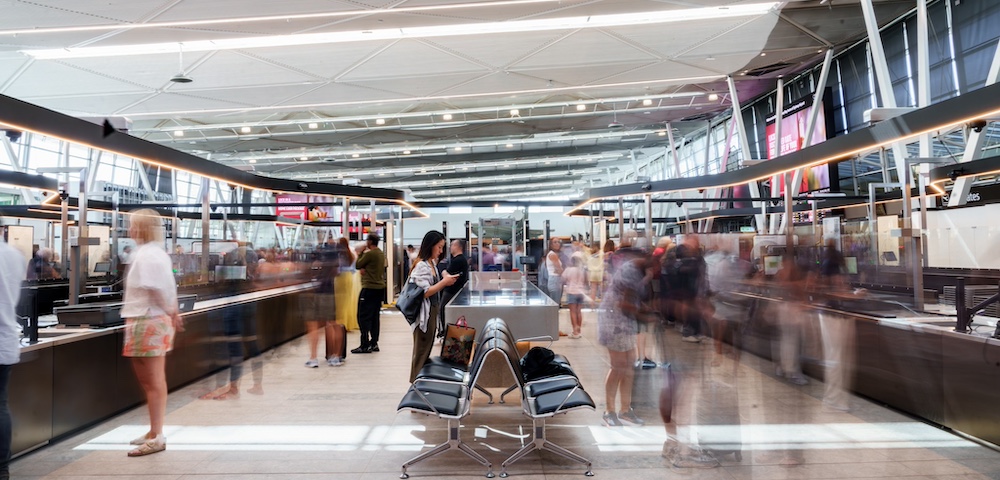
The passenger was on board flight GA712 from Jakarta, arriving in Sydney at 10:45 AM. They spent time in the Sydney Airport International Arrivals Hall until noon and later visited the Blacktown Hospital emergency waiting room from December 29 to December 30. Health authorities are urging individuals who were present at these locations during these times to remain vigilant for symptoms of measles.
Symptoms and Public Health Advisory
Western Sydney Local Health District’s acting director of public health, Dr. Conrad Moreira, emphasized the importance of monitoring for symptoms, which include fever, sore eyes, runny nose, and a cough, followed by a red, blotchy rash. This rash typically begins on the head and face before spreading to the rest of the body.
“If symptoms develop, see your doctor or health service, including emergency department,” Dr. Moreira advised. “Call ahead to let them know that you may have come into contact with measles, so you don’t spend time in waiting rooms with other patients.”
Dr. Moreira highlighted that symptoms can take up to 18 days to manifest after exposure, urging vigilance until January 17, 2026.
Global Context and Vaccination Importance
The alert comes amid a backdrop of increasing measles cases worldwide, with international travel contributing to the spread. Measles is a highly contagious disease, transmitted through the air when an infected person coughs or sneezes. Despite being preventable through vaccination, outbreaks continue to occur, particularly in areas with low vaccination rates.
“We want to remind the community to make sure they are up to date with their vaccinations. The measles vaccine can prevent the disease even after exposure, if given early enough,” Dr. Moreira stated.
He stressed the importance of vaccination, especially for those born after 1965, who should ensure they have received two doses of the measles vaccine. This is crucial for travelers, as measles outbreaks are prevalent in several parts of the world.
Historical Parallels and Current Challenges
Historically, measles was a common childhood disease, but widespread vaccination efforts have significantly reduced its prevalence. However, recent years have seen a resurgence, partly due to vaccine hesitancy and misinformation. The World Health Organization (WHO) has repeatedly highlighted the need for global cooperation to combat vaccine-preventable diseases.
In 2019, the WHO reported that measles cases surged to the highest levels in over two decades, a trend that has continued into the present. The ongoing COVID-19 pandemic has further complicated vaccination efforts, as healthcare systems worldwide grapple with multiple public health challenges.
Looking Ahead: Prevention and Preparedness
The current alert serves as a stark reminder of the interconnected nature of global health. As international travel resumes post-pandemic, the risk of infectious diseases crossing borders increases. Public health officials emphasize the need for robust vaccination programs and public awareness campaigns to prevent future outbreaks.
Moving forward, NSW Health and other agencies are likely to intensify efforts to ensure that communities are informed and protected. The situation underscores the critical role of vaccinations in safeguarding public health and the importance of remaining vigilant against preventable diseases.
As the world continues to navigate these challenges, the call to action remains clear: stay informed, get vaccinated, and protect not just oneself, but the broader community.