

The ACT’s health authorities have issued a high alert after confirming a case of measles in a traveler who was unknowingly infectious within the community. The ACT Government Health and Community Services Directorate (HCSD) announced late on Friday, February 20, that the individual had recently returned from overseas and had visited several public locations while contagious.
“Known contacts are being followed up in line with national guidelines to provide them with appropriate advice,” an HCSD spokesperson stated. The traveler visited various sites, including the Hertz Car Rental Agency and the arrivals area at Canberra Airport on February 16, the Gungahlin Walk-In Centre on February 18, and the Emergency Department waiting room at Canberra Hospital the same evening.
Potential Exposure Sites and Public Advisory
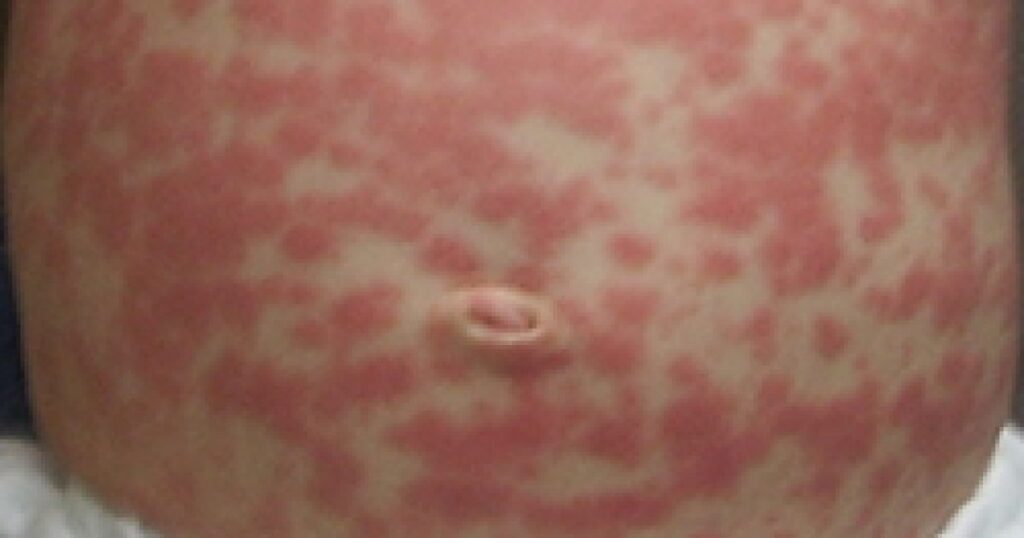
The public is advised to be vigilant, especially those who visited the specified locations during the given times. Although these sites do not pose an ongoing risk, individuals are encouraged to monitor for symptoms such as fever, tiredness, runny nose, sore and red eyes, and a cough. A non-itchy, blotchy red rash that spreads from the face to the body is a hallmark of measles.
HCSD advises that anyone developing symptoms should contact their doctor or health service, including emergency departments, while taking precautions such as calling ahead and wearing a face mask. The disease, known for its high contagion rate, is airborne and spreads through coughing or sneezing.
Vaccination and Preventive Measures
The HCSD has emphasized the importance of vaccination, urging those who have not received two doses of the measles-mumps-rubella (MMR) vaccine or are unsure of their vaccination status to consult a GP or pharmacist. The vaccine is most effective when administered within 72 hours of exposure and is available for free in the ACT, although an administration fee may apply.
Individuals with weakened immune systems, such as those undergoing chemotherapy or on high-dose steroid medications, as well as pregnant women and parents of infants under 12 months, are advised to contact HCSD for further guidance.
Regional Context and Broader Implications
This alert in the ACT follows a similar advisory from NSW Health earlier this month, which listed exposure sites across the Illawarra, Shoalhaven, and Southern Highlands regions. These included cafes, supermarkets, and tourist locations, raising concerns about potential connections between cases, although no links have been confirmed.
“It is unknown at this stage if the cases are connected,” noted the HCSD spokesperson.
The resurgence of measles cases highlights the ongoing challenges in managing infectious diseases, particularly in an era of increased global travel. Health experts stress the critical role of vaccination in preventing outbreaks and protecting vulnerable populations.
Looking Ahead: Public Health Strategies
As authorities continue to monitor the situation, the focus remains on rapid identification of contacts and ensuring access to vaccinations. The current situation underscores the importance of public health infrastructure and the need for ongoing vigilance in disease prevention efforts.
Residents are encouraged to stay informed through official channels and adhere to health advisories. The HCSD remains committed to providing timely updates and support to the community as they navigate this public health challenge.