



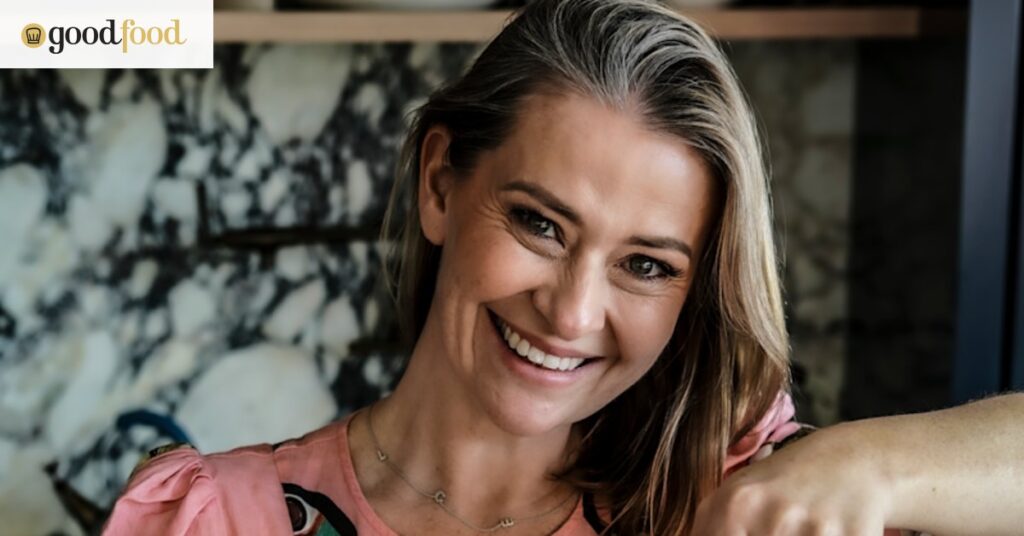
Recipe writer, stylist, and photographer Katrina Meynink has an exceptional talent for transforming the most mundane dishes into visual delights. On November 6, 2025, she shared her flexible guidelines for enhancing flavor, color, and texture in home-cooked meals.
Meynink’s approach is rooted in the belief that we eat with our eyes first. When food looks appealing, it enhances the dining experience. “A gloss of oil, a scatter of herbs, the warm gleam of something just-charred − it all builds anticipation,” she explains. Her philosophy is that anyone can elevate a simple Tuesday-night stir-fry into a celebration with a little attention to detail.
The Art of Imperfection
One of Meynink’s core principles is the rejection of perfection. “Perfection is awful,” she asserts, describing it as sterile and stressful. Instead, she advocates for a style she calls “controlled chaos,” where herbs are roughly torn and condiments are drizzled with carefree abandon. This approach, she believes, creates a more inviting and authentic presentation.
According to Meynink, the key is to let ingredients fall naturally onto the plate. “Every time I add herbs to a plate, I don’t think; I just let them fall. This casual scatter will look better every time than contrived, finely chopped greenery,” she advises.
Color and Contrast
Color plays a crucial role in food styling. Meynink emphasizes the importance of contrast, especially when dealing with dishes that are predominantly beige or brown. “Add something punchy — a handful of chopped herbs, a slick of olive oil with chili, or a few pomegranate seeds scattered like a careless afterthought,” she suggests.
Layering colors can add dimension and interest to a dish. Meynink encourages home cooks to think of their plates as canvases, using opposing colors to create depth. “My mantra is always: drizzles, dollops, and crunch. This is the winning trifecta,” she says.
The Power of the Plate
The choice of plate can significantly impact the presentation of a dish. Meynink advises against using old or chipped plates, as they can detract from the food’s appeal. Instead, she recommends selecting plates that complement the dish, such as darker plates for lighter foods and white or cream bases for heartier dishes.
“The plate is always part of the storytelling,” Meynink notes, highlighting the importance of considering how the plate interacts with the food it holds.
Textures and Composition
Meynink believes that great food styling is as much about texture as it is about appearance. “Think crunchy versus creamy, chewy against tender, crispy beside melt-in-your-mouth,” she advises. Texture adds punctuation to a dish, enhancing its overall appeal.
Composition is also key. Meynink suggests using height to add interest to a dish, stacking or layering ingredients to give them a lift. She also recommends the rule of odds, where foods in odd numbers are more visually appealing.
“Foods in odd numbers always look better. Think three roasted carrots, five radish slices, one heroic meatball,” Meynink explains.
Finally, she advises against overfilling plates, as negative space can make a dish look more elegant. “A crowded plate screams, ‘I can’t help myself at the buffet,’ but one with space is going to look elegant,” she says.
Essential Tools for Styling
To achieve these effects, Meynink suggests a few essential tools:
- A good spoon for swooshing and dolloping
- A Microplane for adding zest
- A little bowl of flaky salt
- A decent flat plate or bowl
- A sense of humor
With these tools and Meynink’s insights, home cooks can elevate their meals with style and flair. “Now go forth and scatter sesame seeds with flair. Your dinner deserves it,” she encourages.
Katrina Meynink is a cookbook author and a columnist for Good Food. Connect with her on Twitter for more culinary inspiration.