


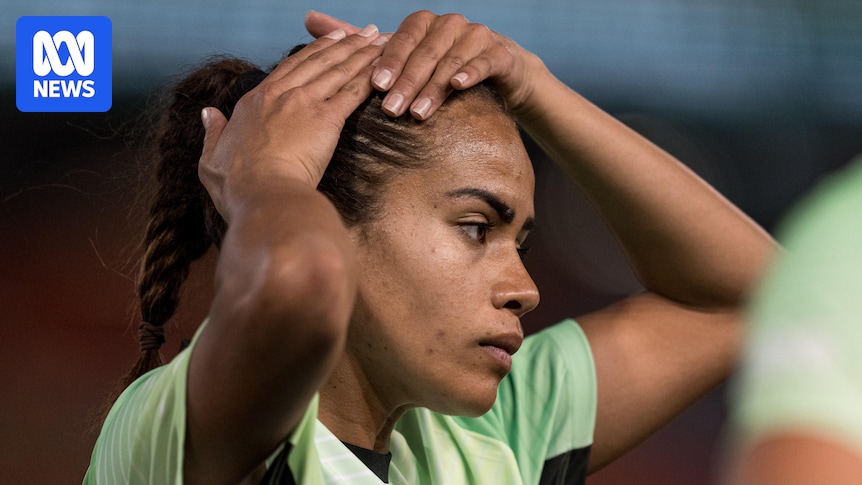
Matildas coach Joe Montemurro has commended Mary Fowler for her bravery in discussing her mental health challenges, describing her openness as “courageous.” The 22-year-old playmaker is on track for a January return after suffering an ACL tear in April.
Fowler recently published her book, Bloom, where she candidly shared her struggles with mental health, including self-harm and suicidal thoughts during her teenage years at French club Montpellier. Montemurro praised her for confronting these issues publicly, emphasizing the importance of such discussions in the sports community.
“We need to applaud the fact that she’s been able to face those issues … it’s so courageous to talk about these things and to come up with it,” Montemurro said. “And the fact that she’s been able to deal with these issues, I think, is all credit to her, it’s amazing.”
The Pressures of Professional Sports
Montemurro highlighted the pressures faced by professional athletes, noting that Fowler’s story is a testament to the challenges sportspeople encounter today. He stressed the significance of open conversations about mental health to foster a supportive environment.
“The more we talk about it, the more it’s out in the open, the more that we’re honest about it, I think is amazing,” he remarked. “This is a perfect example of someone that’s been really courageous and been able to come out with her issues, deal with it and know that there are people behind her, backing her and want to do what’s best for her.”
Montemurro also underscored the importance of maintaining “constant contact” with players, ensuring they have the necessary support both on and off the field. He emphasized Football Australia’s commitment to providing assistance whenever needed.
Mary Fowler’s Path to Recovery
Fowler joined the Matildas’ last training camp and will remain with Manchester City as she prepares for her return. Montemurro expressed confidence in her recovery process, noting the collaborative efforts of Manchester City and the Matildas’ medical staff.
“We’ve said it all along — she actually could have probably come back after seven months and she’s doing really, really well,” Montemurro stated. “But in all credit to her and to City and to the medical staff, we’ve decided to just hold on a little bit more and just give it that little bit more time.”
He explained the strategic decision to delay her return until after the Christmas break, aligning her comeback with the Asian Cup in March. This approach ensures she has a “fairly good runway” into the tournament, considering the packed European calendar.
Implications for Mental Health Awareness
Fowler’s story shines a light on the broader issue of mental health in sports, underscoring the need for ongoing dialogue and support systems. Her willingness to share her experiences may inspire other athletes to seek help and speak out about their struggles.
The move represents a growing recognition of mental health as a critical component of athlete well-being, with sporting organizations increasingly prioritizing psychological support alongside physical training.
As Fowler continues her journey, her resilience and openness serve as a powerful reminder of the importance of mental health awareness, both within the sporting community and beyond. Her story is not just about recovery but also about fostering a culture of understanding and support.