
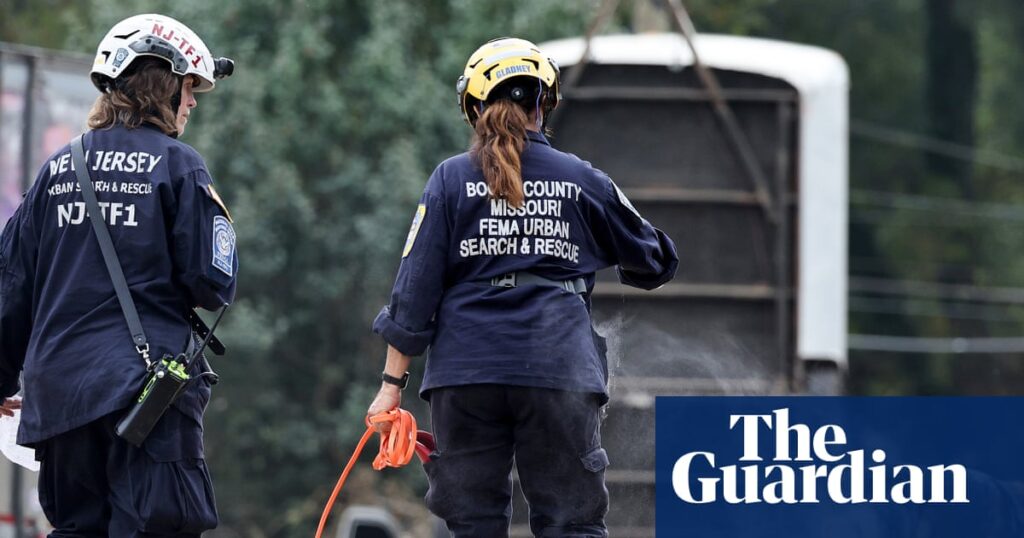
The confirmation hearing for Markwayne Mullin, Donald Trump’s nominee to become the secretary of the Department of Homeland Security (DHS), has sparked concerns among disaster management officials and experts about the future of the Federal Emergency Management Agency (Fema). The agency, which plays a crucial role in coordinating federal responses to disasters such as hurricanes, floods, and wildfires, may face significant changes under Mullin’s leadership.
Mullin, a Republican senator from Oklahoma, appeared before the Senate to address questions about his approach to Fema, following Kristi Noem’s controversial tenure. Noem had proposed drastic changes, including the potential elimination of Fema. During the hearing, Mullin assured senators that he favors restructuring rather than dismantling the agency. He also criticized Noem’s policy of personally reviewing all Fema expenditures over $100,000, calling it “micromanaging.”
Concerns Over Leadership and Workforce
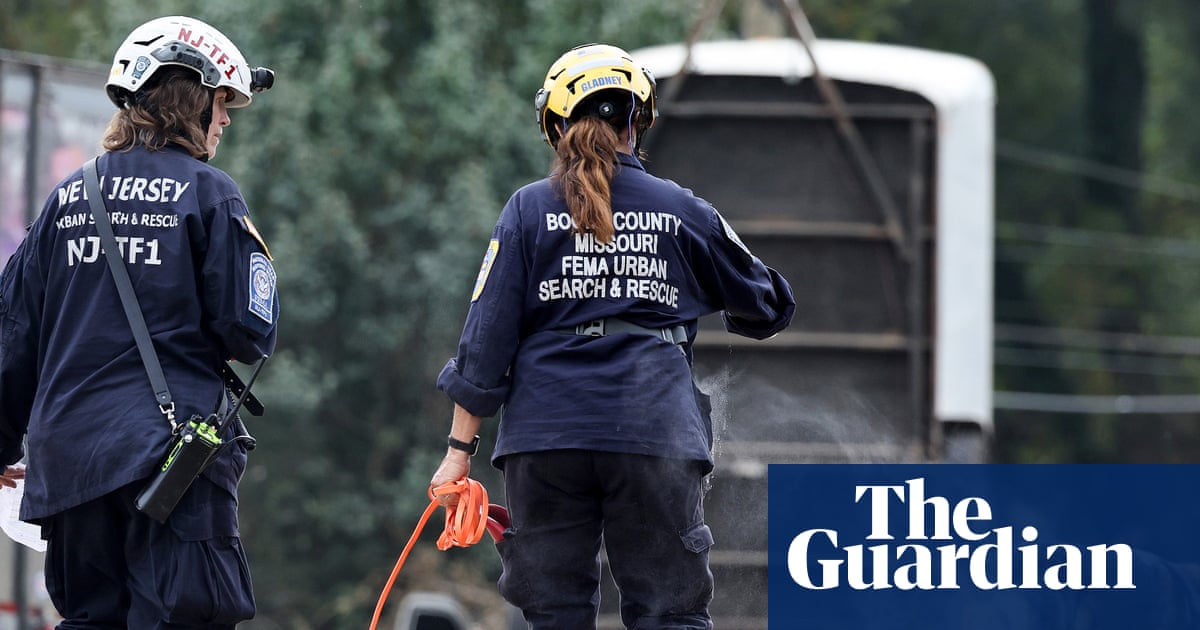
Despite Mullin’s assurances, a longtime Fema manager expressed skepticism, stating, “Mullin could be a step up from Noem, but that’s not exactly saying much.” The manager, who wished to remain anonymous, voiced concerns over the agency’s staffing levels and the potential continuation of cuts initiated by Noem. These cuts have already resulted in a 10% reduction in Fema’s workforce in the first half of 2025, according to a Government Accountability Office report.
“Fema lost 10% of its workforce in the first half of 2025 when we were already short-staffed, and a headcount doesn’t really capture the damage of losing senior-level staff that had years of knowledge and experience that is not easily replaced,” the Fema manager noted.
During the hearing, Mullin did not commit to reversing these cuts, stating that some agencies have become “very bloated.” When pressed by New Jersey Senator Andy Kim on whether Fema is overstaffed, Mullin demurred, saying he would assess the situation upon confirmation.
Climate Crisis and Disaster Preparedness
Mullin’s record on climate change and disaster preparedness has also raised eyebrows. Critics point out that he has never served on the House or Senate homeland security committees, and as recently as 2019, he questioned the existence of the global climate crisis. His stance on Fema’s role in disaster response has been similarly contentious, as he suggested that states should lead efforts rather than the federal agency.
At the hearing, Mullin reiterated that Fema was designed to assist states when disasters reach certain levels, rather than act as a first responder. This perspective has drawn criticism from within Fema, with the anonymous manager commenting, “He either doesn’t understand how emergency management works, or he’s just parroting the narrative from the White House.”
Historical Context and Expert Opinions
Michael Coen, a former Fema chief of staff, acknowledged some positives in Mullin’s statements but remained cautious. Coen emphasized the need for a confirmed Fema leader and reduced micromanagement from DHS to enhance disaster preparedness.
“A nominee for Fema and the reduction of DHS micromanagement of Fema will minimize the risk of our federal government not being prepared for extreme weather and other significant risks,” Coen said.
Meanwhile, Monica Medina, a former principal deputy undersecretary at the National Oceanic and Atmospheric Administration, expressed concerns that Mullin might follow Noem’s playbook. She highlighted the urgency of the situation, noting that the nation is heading into a period of severe weather, including high heat, fires, storms, floods, and coastal inundation.
Looking Ahead
As Mullin’s confirmation looms, the implications for Fema and the broader landscape of disaster management remain uncertain. While some officials hope for a shift towards more supportive policies, others fear a continuation of the status quo under Noem. The coming weeks will be critical in determining the direction of the agency and its ability to respond effectively to the nation’s disaster challenges.
Ultimately, Mullin’s actions post-confirmation will be closely watched by both supporters and critics, as the future of Fema hangs in the balance amid increasing environmental threats and the need for robust disaster preparedness strategies.