

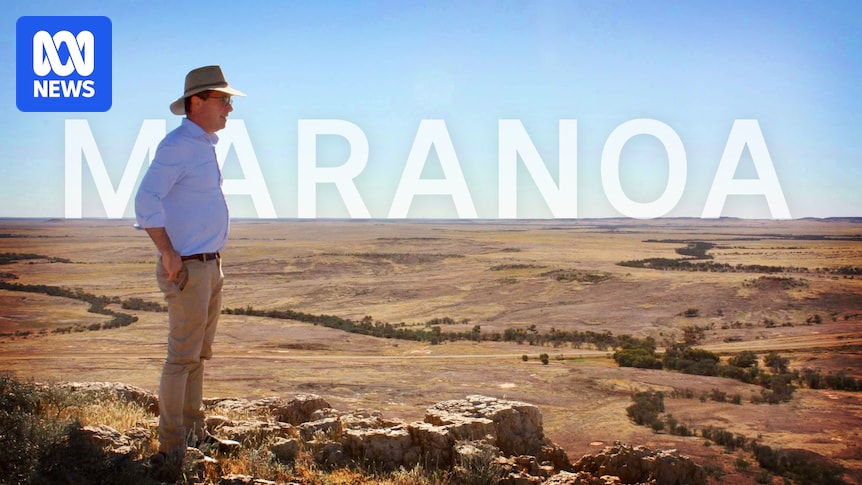
Stretching from Brisbane’s rural outskirts to the red dirt deserts in the west, the Queensland electorate of Maranoa encompasses 42 percent of the state and is three times the size of Victoria. Known for its conservative leanings, Maranoa has been a stronghold for the Country or National Party since 1943, currently represented by Nationals leader David Littleproud. However, the political landscape is shifting as Pauline Hanson’s One Nation Party makes inroads, capitalizing on a growing sense of discontent among voters.
Maranoa’s voting base primarily consists of agricultural workers: farmers, graziers, and families who have lived in outback towns for generations. The electorate recently returned the highest “no” vote in Australia during the Voice to Parliament referendum, echoing the results of the 1999 Australian republic referendum where its voters also had the highest “no” vote count in the country. This conservative bastion, once dubbed the “kingdom of Maranoa” by former Prime Minister John Howard, now faces a new political challenger.
One Nation’s Strategic Move
While Mr. Littleproud has been occupied in Canberra with the Coalition’s break-up, One Nation has seized the opportunity to expand its influence. The party announced it will open an office in Longreach, situated in the heart of Maranoa. Sharron Duncan, One Nation’s candidate for Maranoa, expressed that voters felt “betrayed by Labor and the Liberals,” highlighting a demand for more representation from One Nation in agricultural areas.
Griffith University political scientist Paul Williams commented on the potential for One Nation to secure a foothold in Maranoa, stating, “David Littleproud holds Maranoa by well over a 20 percent margin, but One Nation will eat a huge section of that vote away.” He added, “I would have said 12 months ago [it would be] impossible, but now I think it is possible, even though it’s still unlikely.”
Dr. Williams noted that One Nation had been legitimized in a “huge way” by recent events such as the Coalition split and former Nationals leader Barnaby Joyce jumping ship.
In response to these developments, Mr. Littleproud emphasized his commitment to his constituents, stating, “It is an honor and a privilege to serve as the Member for Maranoa — something I never take for granted. I will continue fighting for Maranoa and for all Australians in Canberra.”
Voter Sentiments and Local Perspectives
In Warwick, 157 kilometers from Brisbane, Mr. Littleproud’s office is nestled among historic sandstone buildings. Residents there expressed mixed feelings about their representation. Michele Wilson acknowledged Mr. Littleproud’s support in the region but indicated a shift in her voting preference towards a Christian party like Family First, stating, “The bigger parties are not really relevant anymore — I think the minor parties need to step up a bit more.”
Meanwhile, Clifton resident Alice McKenzie remained steadfast in her support for the Nationals, saying, “I personally would not like to see One Nation get in.” In contrast, Peter Djekic voiced his dissatisfaction, recounting his protests outside Mr. Littleproud’s office regarding the pension age increase from 65 to 67, lamenting, “I never heard back from Littleproud.”
Nadine Horneman shared a positive experience, recalling a time Mr. Littleproud assisted a friend with a passport renewal on short notice, allowing her to visit her dying father. “It gives you a bit of confidence that they are there and can assist you if you’re willing to put it out there,” she said.
The Nationals’ Enduring Influence
Despite the surge in support for One Nation, the connection to the country party remains strong in the outback. Rosemary Champion, a resident of a cattle property near Longreach, has been a staunch supporter of the Nationals for 60 years. She commended the LNP’s efforts in making governance equitable in such a vast electorate, while expressing skepticism about One Nation’s ability to deliver on policy promises.
“Pauline Hanson might come to the Birdcage in Longreach and buy everybody a free beer but that’s not the deal … it’s year in, year out, putting your budget up and having it scrutinized,” Mrs. Champion remarked.
The Labor Party also maintains a historical presence in outback Queensland. Barcaldine branch president Dave Kerrigan noted a resurgence of interest in Labor, particularly among young people, despite the absence of a sitting Labor member in Maranoa for decades. “Especially since the new year, I’m seeing a lot of young people joining up to the Labor Party, right across Maranoa,” he observed.
As the political dynamics in Maranoa continue to evolve, the electorate stands at a crossroads. With One Nation’s strategic push and the Nationals’ enduring legacy, the upcoming elections could redefine the region’s political landscape, offering a glimpse into the broader shifts occurring within Australian politics.