

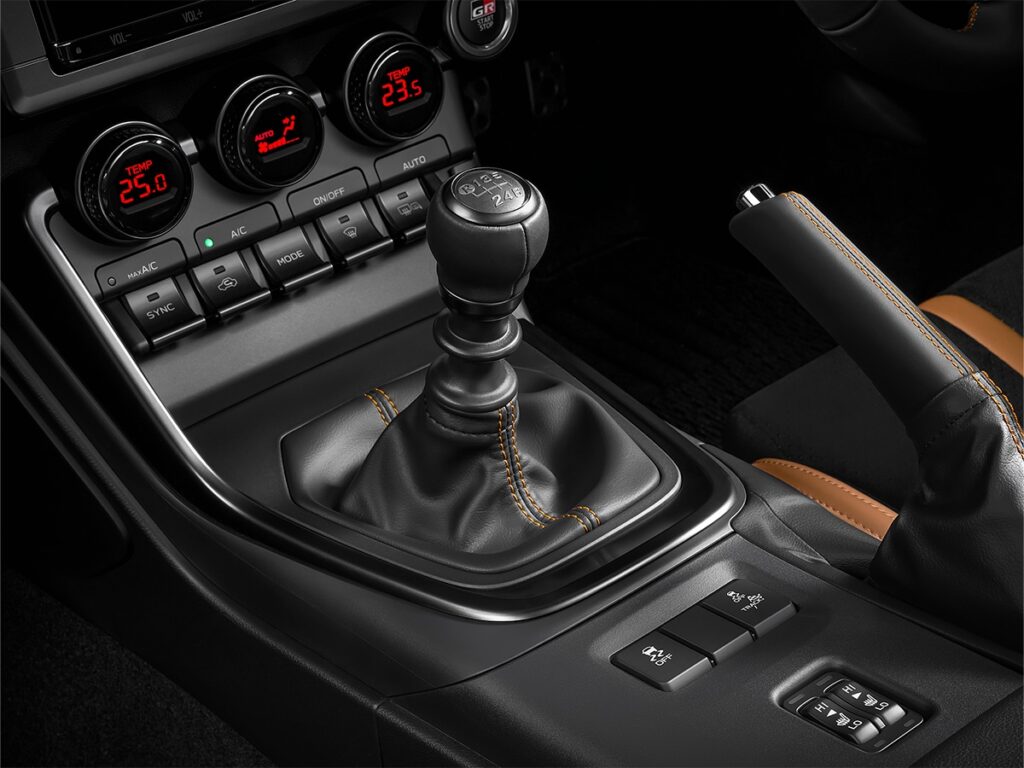
Manual sports cars are becoming increasingly rare in Australia, a trend that mirrors the global shift towards electrification and automatic transmissions. As the automotive industry moves towards a future dominated by electric vehicles, the traditional manual gearbox is being sidelined, leaving enthusiasts yearning for the tactile engagement of shifting gears themselves. Despite these challenges, a select few manufacturers continue to offer manual transmissions, providing a unique driving experience for purists.
In 2026, only 16 sports cars are available with a manual transmission in Australia. Brands like Porsche and Honda remain committed to the manual experience, with Porsche offering a no-cost manual option on their iconic 911 and Honda exclusively selling the Civic Type R with a manual gearbox. Meanwhile, BMW, Hyundai, and Toyota maintain three manual models each, though for how long remains uncertain.
The Current Landscape of Manual Sports Cars
The manual transmission’s decline is driven by several factors, including stricter emissions regulations and a new generation of drivers unfamiliar with manual shifting. Despite this, the manual sports car market still offers a range of options across different price points and performance levels.
Best Manual Cars at a Glance
- Best affordable manual sports car: Subaru BRZ, Toyota GR86
- Best mid-range manual sports car: BMW M2
- Best high-end manual sports car: Porsche 911 (Carrera T, GT3)
For those interested in exploring the full list of manual sports cars available in Australia, here’s a detailed look at each model:
BMW’s Manual Offerings
- BMW M2
Price: from AUD$117,700 plus on-road costs.
Engine: 3.0-litre twin-turbo inline-6
Power: 338 kW
Torque: 550 Nm
0-100km/h: 4.3 seconds
Transmission: 6-speed manual (No-cost option) - BMW M3
Price: from AUD$155,760 plus on-road costs.
Engine: 3.0-litre twin-turbo inline-6
Power: 353 kW
Torque: 550 Nm
0-100km/h: 4.2 seconds
Transmission: 6-speed manual (rear-wheel drive only) - BMW M4
Price: from AUD$162,140 plus on-road costs.
Engine: 3.0-litre twin-turbo inline-6
Power: 353 kW
Torque: 550 Nm
0-100km/h: 4.2 seconds
Transmission: 6-speed manual (Rear-Wheel Drive only)
American Muscle and Japanese Precision
- Ford Mustang
Price: from AUD$78,990 plus on-road costs.
Engine: 5.0-litre naturally aspirated V8
Power: 347 kW (GT)
Torque: 550 Nm
0-100km/h: ~4.6 seconds
Transmission: 6-speed manual - Honda Civic Type R
Price: from AUD$79,000 drive-away.
Engine: 2.0-litre turbo inline-4
Power: 235 kW
Torque: 420 Nm
0-100km/h: 5.4 seconds
Transmission: 6-speed manual
The Future of Manual Transmissions
The persistence of manual transmissions in these sports cars reflects a dedication to driving purity that resonates with a niche but passionate audience. However, as manufacturers face increasing pressure from regulatory bodies and consumer demand for convenience, the future of manual transmissions remains uncertain.
According to industry experts, the manual transmission’s survival depends on a small but dedicated market segment willing to pay a premium for a more engaging driving experience. The question remains whether this segment will be enough to sustain manual offerings in the long term.
“The manual transmission is more than just a way to change gears; it’s a connection between driver and machine that many enthusiasts are not willing to give up,” said automotive analyst Jane Doe.
As the automotive landscape continues to evolve, the manual transmission may become a relic of the past, cherished by collectors and enthusiasts. For now, those who appreciate the art of manual driving can still find solace in the models that remain available, but the clock is ticking.
In conclusion, while the manual sports car market in Australia is shrinking, it still offers a diverse range of options for those who value the tactile experience of driving. The future may be uncertain, but for now, the manual transmission lives on in these cherished models.