




Volunteer firefighters in Western Australia’s Midwest faced significant challenges over the weekend when an extensive power outage disrupted essential mobile communications during their battle against two serious fires. The outage, the largest in 15 years, affected more than 22,000 homes and businesses, leaving many without power for over 20 hours.
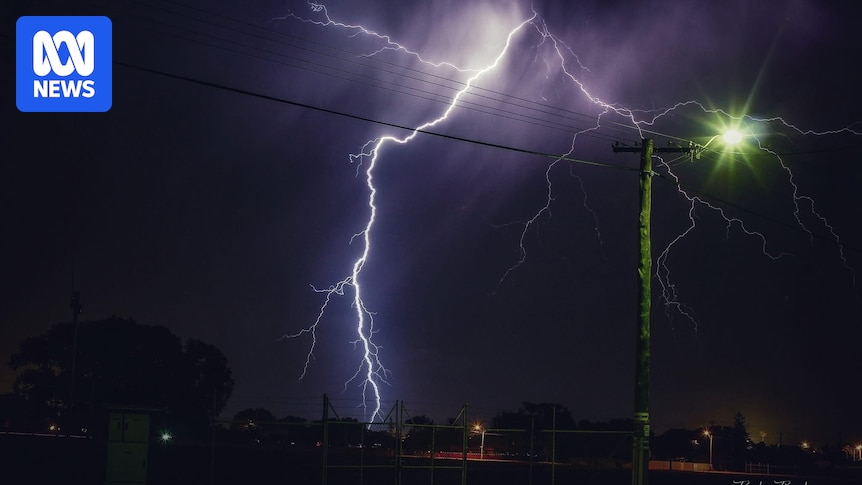
The disruption began on Saturday night when lightning struck the transmission network, damaging approximately 30 poles. The Mungarra power station, typically a backup for Geraldton’s power supply, was undergoing maintenance, exacerbating the situation. Severe weather conditions further compounded the problem, causing additional outages across the Midwest, Wheatbelt, and Perth metropolitan areas, affecting a total of 115,000 customers at the peak.
Outage Creates Risky Fire Response
Chapman Valley Shire’s chief bushfire control officer, Andrew Vlahov, described the dire situation as volunteers battled an emergency-level blaze at Howatharra, north of Geraldton. The loss of mobile connectivity early on Sunday morning made firefighting efforts even more challenging.
“The next morning I wanted to continue the harvest ban, update people, and get more help, but there was no communication whatsoever,” Vlahov said. “Mobile towers at Yuna and Howatharra ran their batteries down to depleted.”
Vlahov, who was fortunate to have satellite communication and a generator system at home, managed to relay information through word of mouth and two-way radio. However, communication remained limited during a fast-moving fire near Yuna later that day, with experienced firefighters expressing fear due to the lack of reliable communication.
Telecommunications Impact and Response
The power outage also highlighted the reliance of telecommunications on electricity. Telstra’s regional general manager, Boyd Brown, acknowledged ongoing outages affecting the network and emphasized efforts to restore services promptly.
An Optus spokesperson noted similar service disruptions impacting NBN, mobile voice, and data services in regional WA and the Perth metropolitan area. They assured that calls to emergency services would still connect using alternative carriers if available.
“We are prioritizing the deployment of generators to key sites to bring them online until power is restored,” the spokesperson said.
Calls for Compensation and Economic Impact
Western Power’s asset operations executive manager, Zane Christmas, confirmed that the outage was the largest since 2010. The utility offered a $120 payment to customers who experienced power loss for over 12 hours, describing it as an acknowledgment of inconvenience rather than compensation.
Joanne Fabling, chief executive of the Midwest Chamber of Commerce and Industry, highlighted the significant impact on businesses, particularly as the region approaches the critical Christmas period. She noted the challenges businesses face in restocking perishables and managing staffing costs during such outages.
“Until we can get further investment in renewables or battery storage, we’re always going to be vulnerable to weather events,” Fabling said.
Looking Ahead: Infrastructure and Resilience
This incident underscores the vulnerability of Western Australia’s infrastructure to severe weather events and the need for improved resilience measures. As climate change continues to influence weather patterns, the reliance on above-ground power supplies and traditional energy sources poses ongoing risks.
Efforts to enhance infrastructure resilience, explore renewable energy solutions, and improve emergency communication systems will be crucial in mitigating the impact of future outages. The weekend’s events serve as a stark reminder of the need for strategic investments to safeguard communities and businesses against similar crises.