




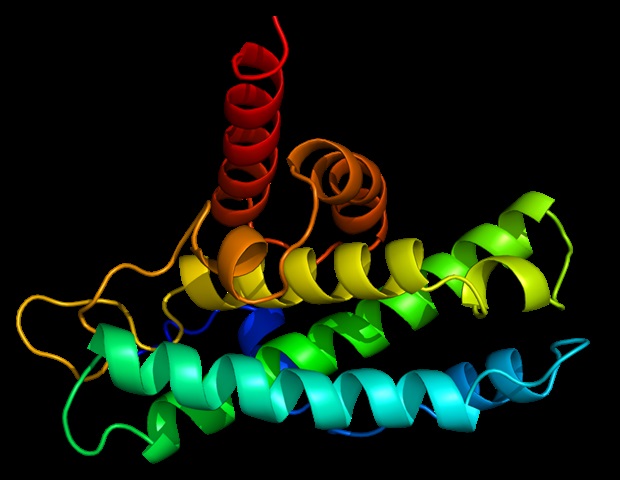
A recent study has revealed that individuals experiencing neurocognitive difficulties following a COVID-19 infection, commonly referred to as Long COVID, exhibit a significant increase in blood plasma levels of tau protein. This protein, predominantly found in the brain, is often linked to neurodegenerative diseases such as Alzheimer’s. The study, published in eBioMedicine, suggests a potential heightened risk of neurodegenerative diseases for those with Long COVID symptoms.
The research involved a cohort of 227 individuals who reported symptoms like headaches, vertigo, balance issues, changes in taste and smell, and brain fog. These participants showed a 59 percent increase in a specific form of tau protein, pTau-181, in their plasma post-COVID-19 infection compared to pre-infection levels. This study forms part of ongoing research by the Stony Brook WTC Health and Wellness Program, focusing on blood biomarkers in 9/11 World Trade Center responders.
Understanding Tau and Its Implications
The presence of elevated tau levels in the blood is a known indicator of lasting brain damage. According to Dr. Sean Clouston, the study’s corresponding author and a professor at Stony Brook University, these findings imply that Long COVID could exacerbate over time, potentially leading to worsening cognitive difficulties. However, it remains unclear whether the increase in tau mirrors the biological progression seen in Alzheimer’s or similar diseases.
“We do not know if this increase in tau in our sample represents a biological course that could be similar to individuals who develop Alzheimer’s or related diseases,” stated Dr. Clouston.
Comparative Analysis and Control Group Findings
The study compared the 227 individuals with Neurological Post-Acute Sequelae COVID (N-PASC) to a control group of 227 WTC responders. The control group either did not contract COVID-19 between their blood sample collections or did not develop Long COVID symptoms. Unlike the N-PASC group, the control group did not exhibit increased tau levels post-COVID-19.
For those with N-PASC who experienced neurocognitive symptoms for more than 1.5 years, the increase in tau levels was more pronounced. This observation suggests a potential decline in cognitive functioning as these individuals age.
Long-Term Implications and Future Research
The research team, including first author Xiaohua Yang, emphasized the importance of further studies to explore the association between increased tau levels and cognitive decline or neurodegenerative diseases. Yang highlighted the need for neuroimaging tools to validate whether elevated plasma tau levels correspond to increased brain tau levels.
“This sampling timeframe represents a true long-term post-acute sequela of COVID-19,” Yang noted, referring to the average measurement period of 2.2 years post-infection.
Senior author Dr. Benjamin J. Luft, director of the WTC Health and Wellness Program, underscored the potential long-term impact of COVID-19, which may lead to illnesses akin to Alzheimer’s disease. He also pointed out the importance of understanding the biological factors contributing to neurodegenerative diseases and the development of vaccines and therapies to prevent long-term consequences.
“This is one of the first studies to show that a virus may contribute to the development of abnormal tau production over time,” Dr. Luft stated. “This has important implications for our understanding of the biological factors involved in the development of neurodegenerative disease.”
Funding and Future Directions
The study was partially funded by the Centers for Disease Control and Prevention’s National Institute for Occupational Safety and Health and the National Institutes of Health’s National Institute on Aging. As the research progresses, the team plans to explore further the environmental exposures of WTC responders and their potential impact on the findings.
As the scientific community continues to unravel the long-term effects of COVID-19, this study highlights the need for ongoing research and monitoring of Long COVID patients. The implications for public health, particularly concerning neurodegenerative diseases, could be significant, necessitating a proactive approach in both research and healthcare policy.