

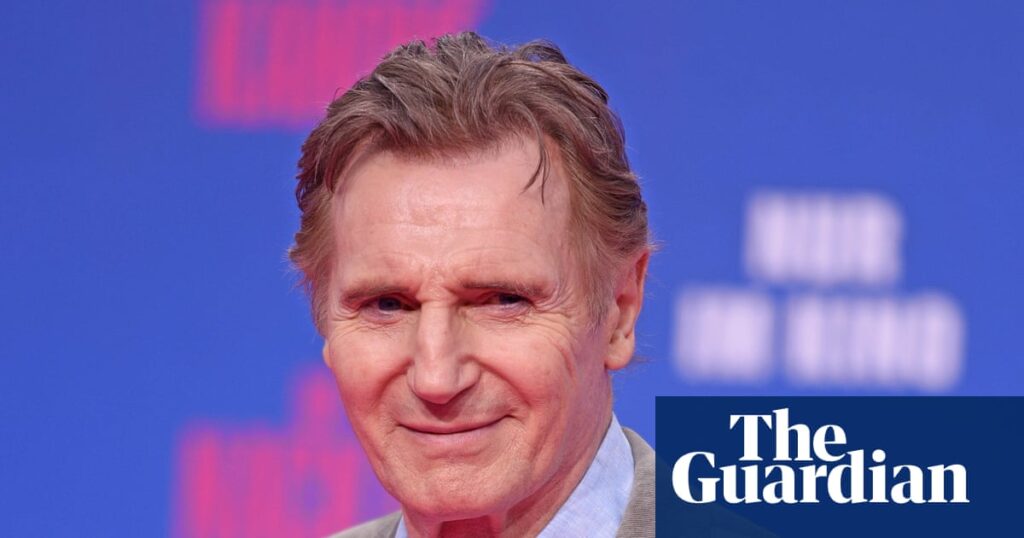
Liam Neeson, the acclaimed actor known for his roles in films such as “Taken,” has found himself at the center of controversy after lending his voice to a documentary titled “Plague of Corruption.” The film questions the legitimacy of vaccines and praises former U.S. President Donald Trump’s health and human services secretary, Robert F. Kennedy Jr. Despite his involvement, Neeson has publicly denied holding anti-vaccine views.
The documentary, based on a bestselling book co-authored by Judy Mikovits, a former scientist who gained notoriety during the Covid pandemic, features Neeson as the narrator. Mikovits has previously claimed that Covid-19 was caused by a bad strain of the flu vaccine, urging people to avoid vaccination. The film’s executive producer, Kent Heckenlively, is known for his collaborations with far-right figures, including Alex Jones, who faced a defamation penalty of $1.4 billion for false claims about the Sandy Hook school shooting.
Neeson’s Position on Vaccines
Representatives for Liam Neeson have swiftly addressed the claims linking the actor to anti-vaccine sentiments. In a statement to The Guardian, Neeson’s team emphasized his support for vaccines and global health initiatives. “Liam never has been, and is not, anti-vaccination,” the statement read. “His extensive work with Unicef underscores his long-held support for global immunisation and public-health initiatives.”
The statement further clarified that Neeson did not influence the film’s editorial content, urging questions about the documentary’s claims to be directed to its producers. Despite the film’s controversial stance, Neeson’s narration criticizes the politicization of science and the impact of Covid lockdowns, stating that mental anguish from restrictions led to significant loss of life.
Controversial Figures and Claims
The documentary features interviews with several controversial figures, including Robert F. Kennedy Jr., who has been a vocal critic of vaccine safety. Kennedy’s statements in the film include claims that vaccines are not safely tested, accompanied by criticism of former National Institute of Allergy and Infectious Diseases director Anthony Fauci. The film uses clips from the BBC’s 2004 documentary “Guinea Pig Kids,” which was later criticized for its portrayal of HIV drug testing on children.
“He should be in prison,” Kennedy states, referring to Fauci.
In 2007, the BBC apologized for “serious breaches” of its editorial guidelines regarding the documentary, following a complaint from the Center for HIV Law and Policy. An investigation refuted claims of misconduct during the trials, highlighting the contentious nature of the subject matter addressed in “Plague of Corruption.”
Public Reaction and Expert Opinions
The release of “Plague of Corruption” has sparked significant public debate, with many questioning the motives and accuracy of the film’s claims. Experts in the medical and scientific communities have reiterated the importance of vaccines, referencing a recent World Health Organization report that found no link between vaccines and autism, a theory perpetuated by the film.
Dr. Sarah Thompson, a leading epidemiologist, commented on the film’s impact: “Misinformation about vaccines can have dire consequences for public health. It’s crucial that we rely on scientific evidence and consensus when discussing these issues.”
Looking Ahead
As the controversy continues, Neeson’s closing narration in the documentary emphasizes the need for transparency and accountability. “We cannot change the past, but we can demand transparency and accountability for the future,” he states, urging viewers to seek truth and honor those lost to the pandemic.
The film concludes with a call to action, suggesting that this marks the beginning of a new chapter in the ongoing discourse surrounding public health and vaccine safety. As the debate unfolds, it remains to be seen how the documentary will influence public perception and policy.