



On December 18, 2019, the United States witnessed a historic moment as President Donald Trump was impeached by the House of Representatives. The impeachment, which charged Trump with abuse of power and obstruction of Congress, marked only the third time in American history that a sitting president faced such proceedings. The event underscored the deep political divisions in the country and left a lasting impact on the political landscape.
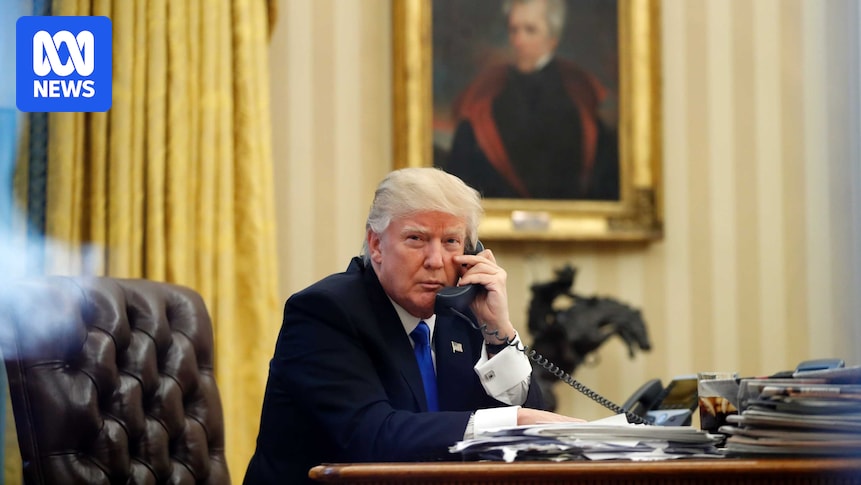
Trump’s impeachment was largely centered around a controversial phone call with Ukrainian President Volodymyr Zelenskyy. During the call, Trump allegedly pressured Zelenskyy to investigate Joe Biden and his son, Hunter, in exchange for military aid. This led to accusations of a quid pro quo arrangement, which Trump and his administration denied.
The Road to Impeachment
The impeachment process began with a whistleblower from the intelligence community who reported the call, expressing alarm over the president’s actions. This report set off a chain of events that culminated in the House of Representatives launching a formal impeachment inquiry. Democrats argued that Trump’s actions constituted a grave misuse of presidential power, while Republicans largely defended the president, claiming the inquiry was politically motivated.
Throughout the inquiry, Trump maintained his innocence, often taking to Twitter to express his frustration with what he termed a “witch hunt.” In a letter to House Speaker Nancy Pelosi, he described the impeachment effort as an “open war on American Democracy.”
Historical Context
To understand the significance of Trump’s impeachment, it’s essential to consider its historical context. Prior to Trump, only two other presidents had been impeached: Andrew Johnson in 1868 and Bill Clinton in 1998. Both survived their Senate trials, as did Trump, highlighting the rarity and gravity of such proceedings.
“The American people deserve to know that the president of the United States is working to do what’s best for the country — not using his office to do what’s best for himself and his businesses,” Elizabeth Warren stated, reflecting widespread concerns about presidential conduct.
The Senate Trial and Acquittal
Following the House’s impeachment, the process moved to the Senate for a trial. The Republican-controlled Senate, led by Mitch McConnell, ultimately acquitted Trump on both charges. While the acquittal was expected, it sparked intense debate about the implications for presidential accountability and the future of American democracy.
During the trial, Democrats argued that Trump’s actions were a clear abuse of power, while Republicans contended that the charges were insufficient for removal from office. The trial concluded with a vote largely along party lines, reflecting the deep-seated partisan divide.
Implications and Lessons Learned
The impeachment of Donald Trump raised critical questions about the balance of power in the U.S. government and the effectiveness of impeachment as a tool for accountability. Scholars and political analysts continue to debate the long-term consequences of the trial, particularly its impact on the presidency and future officeholders.
Impeachment votes are only a quasi-legal process, as opposed to a definitive ruling of whether a president broke the law. The proceedings are inherently political, with the votes usually taking place along party lines, and are designed to “maintain constitutional government.”
Looking Forward
As Trump returned to the White House for a second term, the lessons from his first impeachment trial remained relevant. The proceedings highlighted the challenges of holding a president accountable in a deeply polarized political environment. While impeachment serves as a constitutional check on presidential power, its effectiveness depends on the willingness of lawmakers to prioritize the country’s interests over partisan loyalty.
In the years since Trump’s first impeachment, the political landscape has continued to evolve, with ongoing debates about the role of impeachment in American democracy. As the nation looks to the future, the lessons from this historic event will undoubtedly shape the discourse on presidential accountability and the health of the republic.