

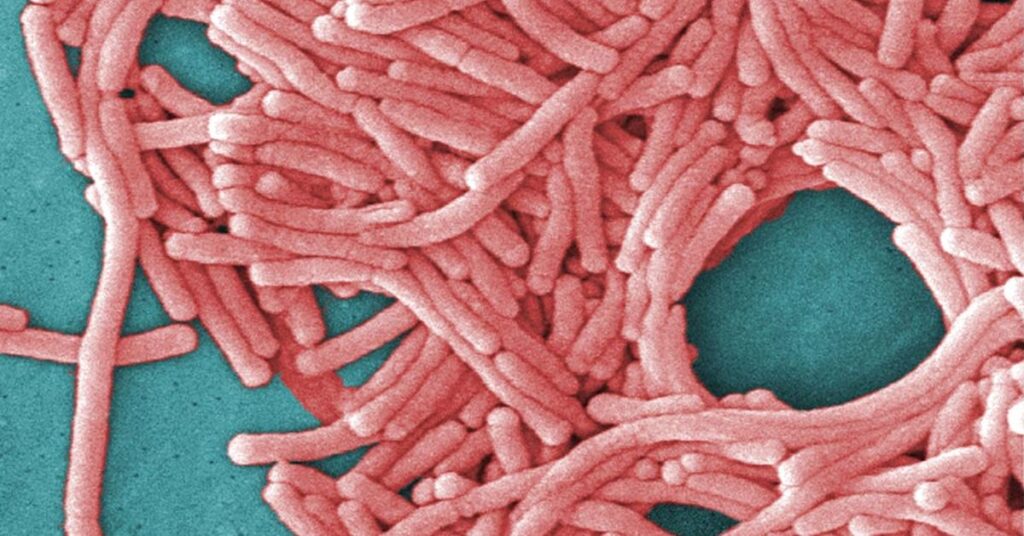
A fourth case of the potentially deadly Legionnaires’ disease has been reported in Sydney, prompting health authorities to issue a fresh alert. The outbreak, which has seen an increase in diagnoses earlier this week, is centered around the Clarence Street area near Wynyard in the city’s central business district (CBD).
All four individuals in the cluster, including three cases confirmed just yesterday, had spent time in the vicinity between December 9 and December 18. The disease develops when Legionella bacteria contaminate sources like cooling towers atop large buildings.
Understanding Legionnaires’ Disease
Legionnaires’ disease is a severe form of pneumonia caused by the Legionella bacteria. Dr. Vicky Sheppeard, a health expert, explained the transmission process: “People are exposed if contaminated water particles from a cooling system are in the air and then breathed in.” Symptoms can manifest up to 10 days post-exposure and include fever, chills, cough, and shortness of breath, potentially leading to severe chest infections.
The disease poses the greatest risk to elderly individuals, smokers, and those with pre-existing lung or serious health conditions. Currently, all four affected individuals are hospitalized as authorities work to contain the outbreak.
Response and Investigation
Dr. Sheppeard mentioned that the source of the outbreak is under investigation, with building managers in the CBD being urged to inspect and maintain their cooling towers diligently. “Building managers need to ensure that cooling systems are properly maintained to prevent the spread of bacteria,” she emphasized.
New South Wales Health has advised anyone who visited the Clarence Street and Wynyard areas since December 9 to monitor themselves for symptoms. The incubation period for the disease ranges from two to ten days, making vigilance crucial for early detection and treatment.
Historical Context and Comparisons
Legionnaires’ disease is not new to Australia or other parts of the world. The disease was first identified in 1976 following an outbreak at an American Legion convention in Philadelphia, which resulted in numerous cases of pneumonia and several deaths. Since then, periodic outbreaks have been reported globally, often linked to contaminated water systems in large buildings.
In Australia, the most significant outbreaks have typically occurred in urban centers where cooling towers are prevalent. The current situation in Sydney is reminiscent of past incidents, underscoring the ongoing need for rigorous building maintenance and public health vigilance.
Implications and Future Precautions
The recent outbreak in Sydney highlights the critical importance of regular maintenance and monitoring of water systems in high-density urban areas. As cities grow and buildings age, the risk of such outbreaks may increase unless preventive measures are strictly enforced.
Experts suggest that building owners and managers should implement comprehensive water management programs, including regular inspections and cleaning of cooling towers, to mitigate the risk of Legionella contamination. Public health authorities continue to stress the importance of awareness and early detection in preventing the spread of the disease.
As the investigation into the Sydney outbreak continues, health officials remain vigilant, ready to implement further measures if necessary. The community is advised to stay informed and take precautions, especially those within the at-risk groups.
For ongoing updates and information, residents are encouraged to download the 9NEWS app, available on the Apple App Store and Google Play, to receive notifications on the latest developments in this and other breaking news stories.