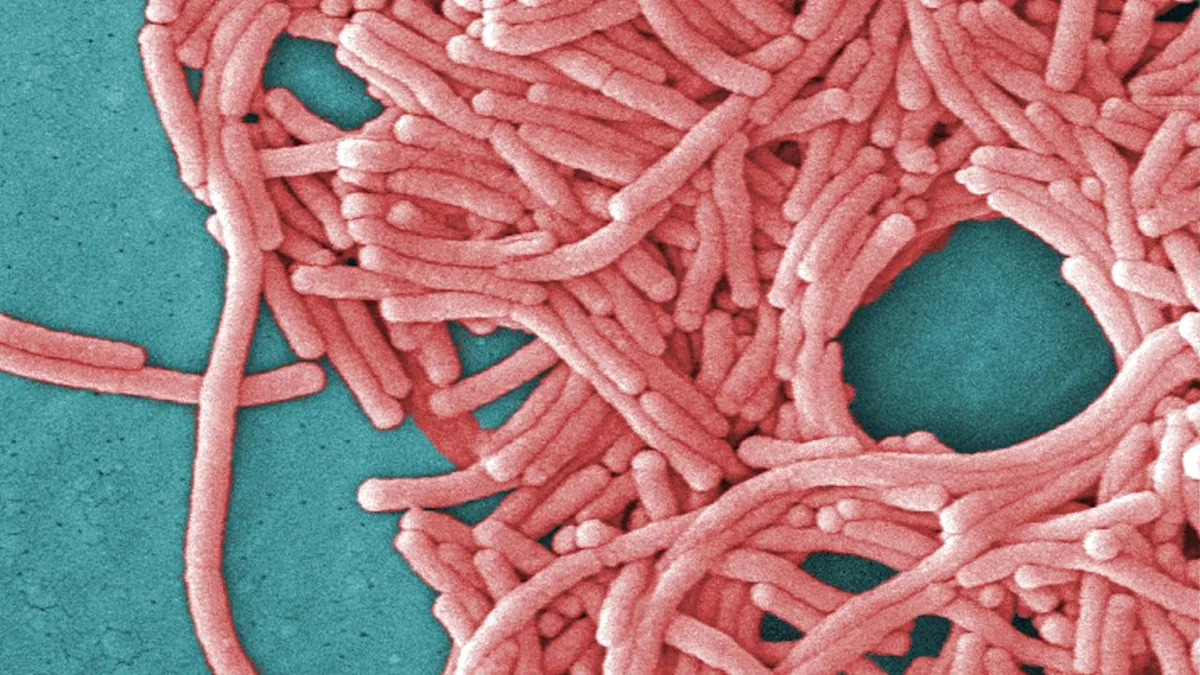




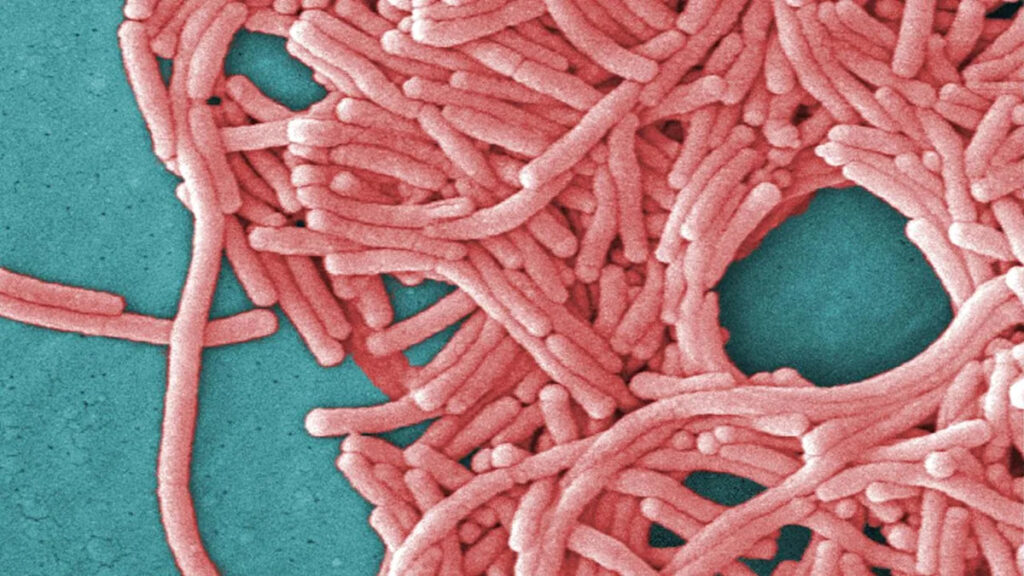
A mysterious bacterial outbreak has put a Melbourne suburb on high alert, with health authorities diligently working to trace its source after multiple individuals were hospitalized. The Department of Health is currently investigating an outbreak of legionnaires’ disease in Craigieburn and surrounding suburbs, with six confirmed cases as of March 18.
All affected patients developed symptoms in early March, necessitating hospital treatment and prompting an urgent public health response to determine the origin of the infections. Authorities suspect the exposure period dates back to late February, with investigations now honing in on potential sources such as cooling towers and water systems in the area.
Public Health Response Intensifies
Residents and visitors to Craigieburn, Mickleham, Greenvale, and Roxburgh Park have been advised to seek immediate medical attention if they experience flu-like symptoms, including fever, chills, muscle aches, and a persistent cough. Legionnaires’ disease, caused by legionella bacteria, is commonly found in natural water sources like rivers and lakes, as well as in artificial systems such as spas and large-scale cooling units.
The illness, which can be fatal, spreads through inhaling contaminated water droplets but cannot be transmitted from person to person. Although many people exposed to the bacteria do not become ill, those most at risk include older adults, smokers, and individuals with weakened immune systems or underlying health conditions.
Medical Community on High Alert
Health professionals have been placed on alert and urged to consider the disease in patients presenting with severe or unusual pneumonia, particularly if they have recently traveled through the affected areas. Early diagnosis is crucial, with authorities emphasizing the importance of rapid testing and antibiotic treatment to prevent serious complications, which can include pneumonia and, in some cases, kidney impairment.
The Department of Health has also reminded clinicians that suspected cases must be reported immediately as efforts continue to contain the outbreak and identify its source.
Historical Context and Expert Insights
Legionnaires’ disease was first identified in 1976 following an outbreak at an American Legion convention in Philadelphia, which resulted in numerous fatalities. Since then, public health measures have significantly improved, yet outbreaks still occur, often linked to poorly maintained water systems.
Dr. Emily Carter, an infectious disease specialist, notes that, “Legionnaires’ disease remains a public health challenge due to its reliance on environmental factors and the need for rigorous maintenance of water systems.”
Comparatively, Melbourne’s current situation underscores the importance of vigilance and rapid response in preventing widespread transmission. The city’s health infrastructure is being tested as authorities race against time to pinpoint the outbreak’s source and implement control measures.
Looking Ahead: Preventive Measures and Public Awareness
The current outbreak highlights the need for ongoing public awareness and preventive measures. Regular maintenance and inspection of water systems, particularly in large buildings and industrial facilities, are critical in minimizing the risk of legionella contamination.
Meanwhile, public health campaigns are essential in educating the community about the symptoms and risks associated with legionnaires’ disease. By increasing awareness, authorities hope to encourage prompt medical consultation, which is vital for effective treatment and containment.
As the investigation continues, the Department of Health remains committed to safeguarding public health and preventing further cases. The situation in Melbourne serves as a reminder of the persistent challenges posed by bacterial outbreaks and the necessity of robust health systems to combat them.