




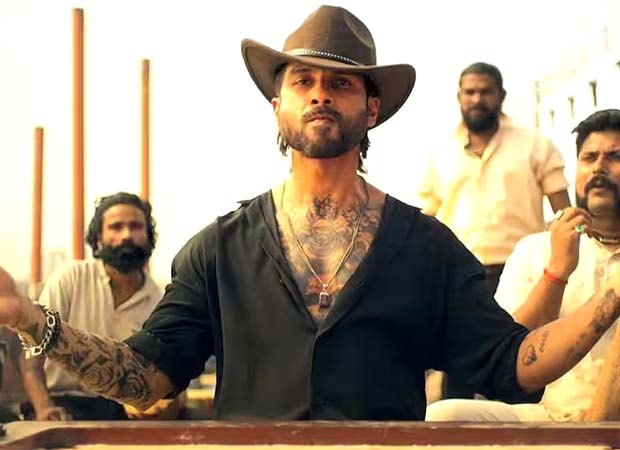
Ahead of the anticipated release of the Hindi film O’Romeo, a legal dispute has surfaced, with Sanober Shaikh, daughter of the late Hussain Ustara, filing a civil suit in a Mumbai court. The suit, filed on Monday, seeks to halt the film’s release, alleging it is an unauthorized biographical portrayal of her father, presenting his life inaccurately.
Sanober Shaikh’s lawsuit names O’Romeo producer Sajid Nadiadwala, director Vishal Bhardwaj, and journalist-author Hussain Zaidi as defendants. She is requesting a permanent injunction to prevent the film’s release, scheduled for February 13, 2026, or any later date, pending a court ruling.
The Heart of the Dispute
According to court documents, the petition argues that no prior consent was obtained from the plaintiff before the film’s development. It claims the movie was produced “with the intent of commercial and monetary gain” and is closely based on the biography of Hussain Shaikh, widely known as Hussain Ustara.
In her filing, Sanober expressed concern over her father’s portrayal, suggesting it could cause “irreparable injury” to her and her family, including her children. She argues that the film’s release could have “serious implications on the plaintiffs’ family members” and might “besmirch the character of the dead person.”
Responses and Legal Precedents
The lawsuit also references prior legal notices sent to the film’s creators before the suit was filed. In response, representatives of Bhardwaj and Nadiadwala Grandson Entertainment have denied that O’Romeo is a biographical portrayal, asserting the film is “purely a work of fiction.”
As part of the relief sought, Sanober’s petition requests a pre-screening of the film, with an authorized individual, such as a court commissioner, appointed to review the content before any public release. This move highlights the ongoing tension between creative freedom and personal rights in the film industry.
“The film is purely a work of fiction,” representatives of the filmmakers stated, countering the claims of biographical content.
Implications for the Film Industry
The case, set to be heard by the civil court on February 6, underscores the delicate balance filmmakers must navigate between artistic expression and respect for personal legacies. The film, starring Shahid Kapoor and based on Hussain Zaidi’s book Mafia Queens of Mumbai, is planned for a theatrical release on February 13.
This legal battle is reminiscent of past controversies where filmmakers have faced legal challenges over biographical portrayals. The outcome could set a precedent for how similar cases are handled in the future, particularly regarding the necessity of obtaining consent from individuals or their families when depicting real-life figures.
Looking Ahead
The court’s decision on February 6 will be pivotal, not only for the parties involved but also for the broader film industry. Should the court side with Sanober Shaikh, it may encourage other individuals to pursue similar legal actions, potentially impacting how biographical films are produced and marketed.
Meanwhile, the makers of O’Romeo continue to assert their creative rights, emphasizing the fictional nature of their work. As the hearing approaches, all eyes will be on the Mumbai court to see how it navigates this complex intersection of law, creativity, and personal rights.