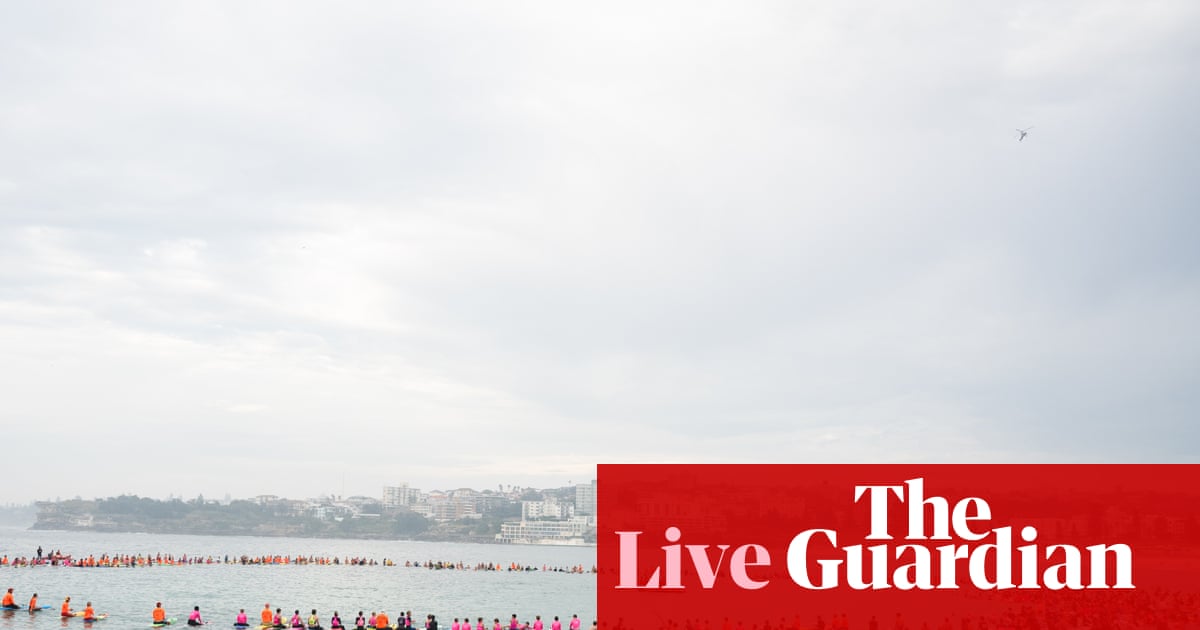



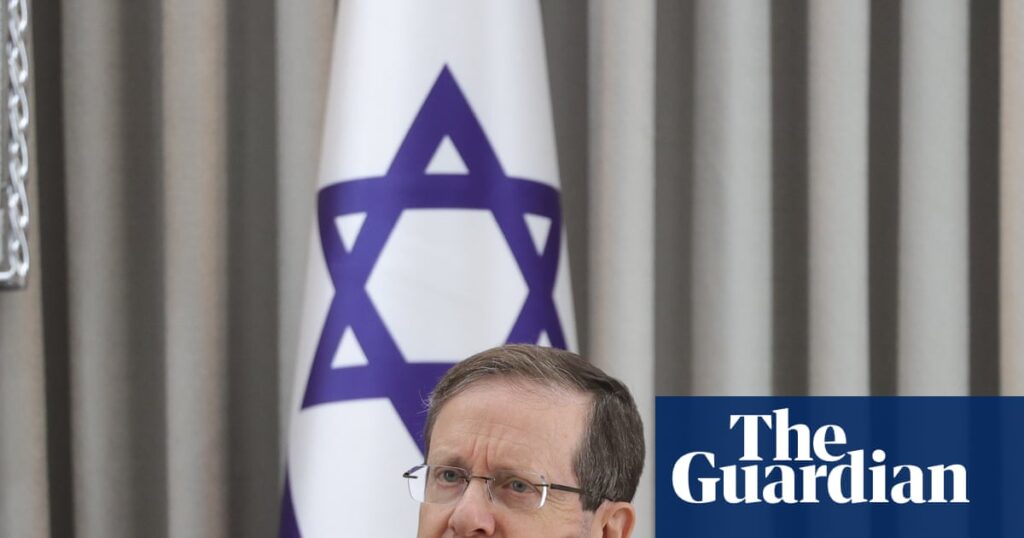
A faction of grassroots Labor party members has called on the Albanese government to withdraw its invitation to Israeli President Isaac Herzog, citing outrage over Israel’s military actions in Gaza. This appeal highlights growing tensions within the Labor movement concerning the Middle East conflict and the response to a recent antisemitic attack at Bondi Beach.
The Labor Friends of Palestine group, which claims over 1,000 members across Australia, has been vocal in its demand for the federal government to recognize a Palestinian state. They argue that if Herzog visits Australia, he should be investigated by federal police for allegedly inciting genocide, although international law experts consider such an investigation unlikely.
Calls for Cancellation and Community Reactions
The group is not alone in its stance. A coalition of smaller Jewish organizations, including the Jewish Council of Australia and Anti-Zionism Australia, has also petitioned Prime Minister Anthony Albanese to retract Herzog’s invitation. They argue that his visit could potentially “exacerbate racism and antisemitism” due to his perceived lack of neutrality.
Conversely, mainstream Jewish groups have welcomed Herzog’s visit. Alex Ryvchin, co-CEO of the Executive Council of Australian Jewry, expressed optimism that Herzog’s presence would provide “tremendous comfort” to the families affected by the Bondi attack and might help reset bilateral relations.
Background and Official Responses
Prime Minister Albanese announced on December 24 that he had requested Governor-General Sam Mostyn to formally invite Herzog to Australia in early 2026, following the Bondi Beach incident. Herzog, who serves as Israel’s ceremonial head of state, accepted the invitation and plans to engage with the Jewish community during his visit, as per an invitation from the Zionist Federation of Australia.
Labor Friends of Palestine have accused Herzog of supporting grave violations of international law during the Gaza conflict, claiming he collaborates closely with Prime Minister Benjamin Netanyahu, who faces international criminal court arrest warrants. Notably, no such warrant exists for Herzog.
Legal Perspectives and International Context
Donald Rothwell, a professor of international law at the Australian National University, emphasized that Herzog, as a sitting head of state, enjoys immunity from prosecution under Australian law. “There is no publicly announced ICC arrest warrant for Herzog,” Rothwell stated, “and Australia is under no obligation to take legal action against him.”
Monique Cormier, an associate professor at Monash University, concurred, noting that while Australia could theoretically breach its obligations under the UN genocide convention, it is improbable that any legal proceedings would ensue. She also clarified that the Australian Federal Police cannot investigate Herzog without the attorney general’s consent.
“The high court has made that really clear,” Cormier affirmed.
Public and Political Reactions
The proposal to rescind Herzog’s invitation has sparked diverse reactions. Jeremy Leibler, president of the Zionist Federation, criticized the call as a “troubling escalation in rhetoric” that overlooks Australia’s historical ties with Israel. He defended the invitation as a gesture of solidarity with Australians affected by terrorism.
Meanwhile, Shamikh Badra, a Palestinian Australian who lost seven family members in the Gaza conflict, has lodged a formal complaint with Home Affairs Minister Tony Burke. Badra urged the government to assess its obligations under the UN genocide convention, emphasizing his personal loss and the ongoing humanitarian crisis in Gaza.
As the debate continues, the Australian government faces the challenge of balancing international diplomatic relations with domestic political pressures and community sentiments. The outcome of this situation could have lasting implications for Australia’s foreign policy and its role in international human rights advocacy.