


In a significant development for Western Australia’s healthcare sector, the Director General of WA Health has announced an improvement notice for King Edward Memorial Hospital. This follows a damning report into the tragic death of a newborn, Tommy Starkie, who was “born dead” at the hospital. The report has prompted a sweeping cultural reform program aimed at addressing critical failings in hospital procedures.
The report, known as a Severity Assessment Code 1 (SAC1), highlighted that Tommy’s declining heart rate was ignored despite clear CTG data indicating oxygen deprivation for over an hour before his birth. The SAC1 is reserved for the most severe incidents of harm in public hospitals.
Details of the Incident
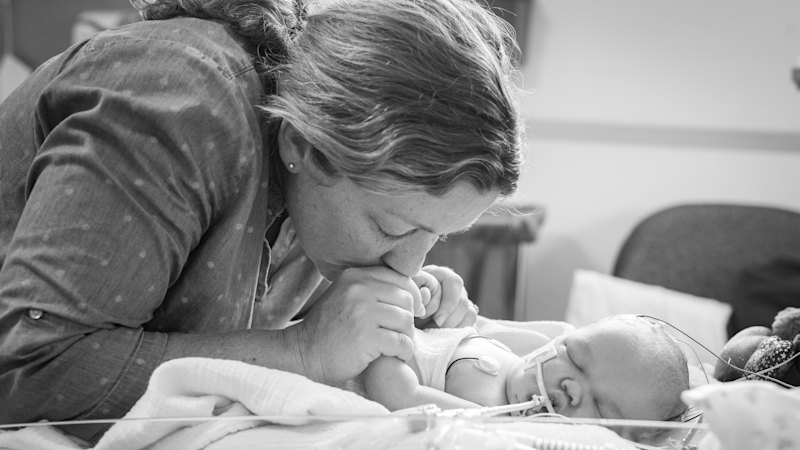
Alana and Paul Starkie had traveled from Manjimup to Perth’s King Edward Memorial Hospital for an induced labor when Alana was 38 weeks and six days pregnant. After more than four hours of labor, Alana experienced severe pain, unlike anything she had felt during the births of her previous three children. Tragically, Tommy was born without a heartbeat and later diagnosed with a near-total brain injury, passing away after 23 days in neonatal intensive care.
The independent panel’s report identified numerous failures in communication, teamwork, leadership, and situational awareness within the hospital’s labor suite. These shortcomings led to multiple breaches of policy during Alana’s labor and the subsequent days.
Systemic Failures and Cultural Issues
Alana Starkie expressed her frustration to 9News Perth, stating, “King Edward failed us in almost every aspect of our care.” She highlighted a “blatant disregard for following their own policies” within the organization, noting, “There would have been 50 instances or more where they didn’t follow their own policies, and that resulted in the unnecessary death of our son.”
WA’s Director General of Health, Dr. Shirley Bowen, apologized for the failures, admitting that the Starkies were let down. However, she assured the public of the hospital’s overall safety, stating, “I absolutely regret what’s happened to Alana, and I agree that the policies were not followed for her individual circumstance, but I can assure the public that we do have a safe, quality, high-care system of care at King Edward.”
A Timeline of Missed Opportunities
The SAC1 panel found multiple breaches of hospital policy starting 24 hours before Tommy’s birth. One critical oversight was the lack of an overnight medical review, which was a missed opportunity to flag abnormal cardiotocography (CTG) data. The report noted that CTG interpretations should occur at least every half-hour, with a “fresh eyes” review every two hours, but “this did not occur.”
Further, the report highlighted that the hospital’s fetal monitoring technology, Phillips Intellispace Perinatal, was not optimized and lacked AI capabilities present in other systems. This technological gap represented a missed opportunity for identifying fetal compromise.
Recommendations and Future Steps
The SAC1 report made eight recommendations, including a major cultural reform program aimed at reducing human and technological errors and improving staffing ratios in the labor suite. It also called for a review of the hospital’s fetal monitoring system to enhance its AI capabilities.
North Metropolitan Health Service chief executive Robert Toms apologized to the Starkie family, acknowledging the eight contributing system factors identified in the report. “All of those involved are deeply impacted. They go to work each day wanting to provide the best possible care,” he said.
Alana Starkie welcomed the recommendations, emphasizing the need for their implementation. “If they’re implemented, I do think the recommendations are good, and I do think it will make it safer,” she remarked. However, she questioned how to fix a “broken culture” that allowed such failures to occur.
The tragic case of Tommy Starkie underscores the critical need for systemic improvements and cultural change within healthcare institutions to prevent similar incidents in the future. As the hospital embarks on these reforms, the healthcare community and the public will be watching closely to ensure that such tragedies are not repeated.