



On December 19, 2025, the Western Australia Health Department announced an improvement notice for King Edward Memorial Hospital following a devastating report on the death of an infant. This notice, issued by the director general of WA Health, aims to address systemic failures revealed in a Severity Assessment Code 1 (SAC1) report. The report scrutinizes the circumstances of baby Tommy Starkie’s death, who was born at the hospital in August.
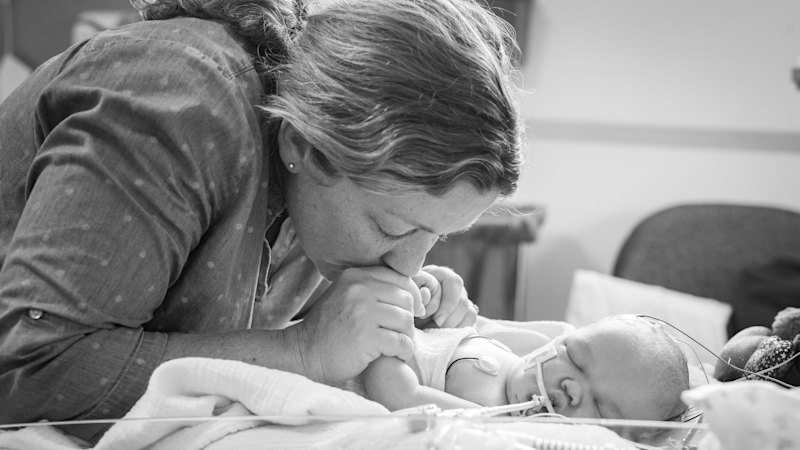
Alana and Paul Starkie, who traveled from Manjimup to Perth for the birth, faced a tragic outcome when their son was delivered not breathing and without a heartbeat. Despite efforts in the neonatal intensive care unit, Tommy succumbed to a near-total brain injury after 23 days. The SAC1 report unveiled that Tommy’s declining heart rate, indicating oxygen deprivation, was ignored for over an hour before his birth.
Systemic Failures and Cultural Reform
The independent panel’s findings highlighted significant shortcomings in communication, teamwork, leadership, workload management, and situational awareness within the hospital’s labor suite. These issues contributed to numerous policy breaches during Alana Starkie’s labor and in the days following Tommy’s birth.
Alana Starkie expressed her dismay to 9News Perth, stating, “King Edward failed us in almost every aspect of our care,” emphasizing a “blatant disregard for following their own policies” within the organization.
“There would have been 50 instances or more where they didn’t follow their own policies, and that resulted in the unnecessary death of our son,” Alana Starkie said.
In response to the report, WA’s Director General of Health, Dr. Shirley Bowen, issued an apology to the Starkie family and assured the public of the hospital’s commitment to safe, high-quality care. As part of the cultural reform, doctors and midwives will undergo new training, and an additional obstetric consultant will be rostered on from Friday.
Timeline of Missed Opportunities
The SAC1 report detailed a series of missed opportunities and policy breaches beginning 24 hours before Tommy’s birth. Despite an ultrasound indicating a potential coarctation of the aorta, which was later ruled out, staff failed to conduct necessary medical reviews and CTG interpretations, leading to critical oversights.
CTG interpretations, which should occur at least every half-hour, were neglected, and a “fresh eyes” review by a second practitioner was not conducted as required. The report noted that the hospital’s primary fetal monitoring system, Phillips Intellispace Perinatal, was not optimized and lacked AI capabilities that could have served as a safety net.
“The panel concluded that the organisation’s fetal monitoring technology is not optimised, and may lack the AI capability of other systems,” the report stated.
Recommendations and Future Steps
The SAC1 report made eight recommendations, including a major cultural reform program to reduce human and technological errors and improve staffing levels. It also called for a review of the hospital’s fetal monitoring system and an overhaul of emergency response processes and clinical documentation policies.
North Metropolitan Health Service chief executive Robert Toms apologized to the Starkie family and emphasized the importance of implementing these recommendations to prevent future incidents. Alana Starkie welcomed the report’s recommendations but questioned the feasibility of fixing a deeply ingrained cultural issue.
“Our primary focus is making sure this disaster never happens again, that another baby doesn’t have to suffer like our Tommy did,” Alana Starkie said.
As the hospital embarks on this path of reform, health officials are assessing potential improvements to the fetal monitoring software, including enhanced AI capabilities. Staff will receive additional training to improve CTG interpretations, aiming to ensure such tragedies are not repeated.