



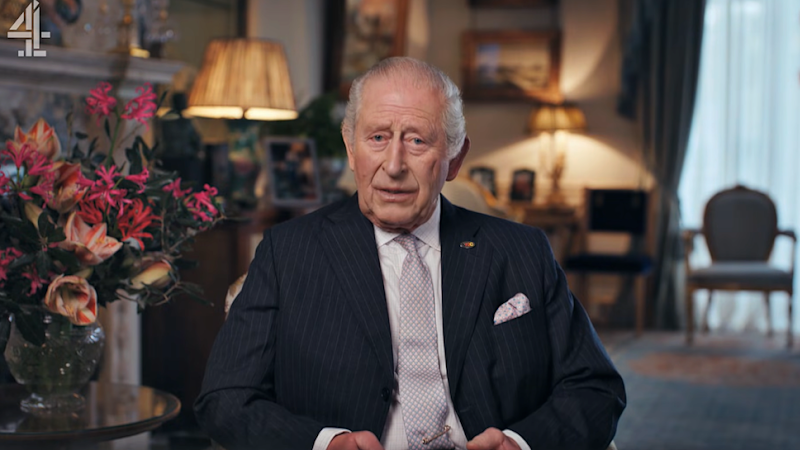
King Charles has announced that his cancer treatment will be scaled back in the new year, citing early intervention and recent advances in medicine as key factors. The 77-year-old monarch, diagnosed with an unspecified form of cancer last February, shared this update during a televised broadcast as part of a national cancer awareness campaign in Britain.
The announcement was aired on British television on Friday evening (Saturday AEDT), aiming to encourage the public to utilize cancer screening services that can detect the disease at an early, more treatable stage. “Today I am able to share with you the good news that thanks to early diagnosis, effective intervention, and adherence to doctor’s orders, my own schedule of cancer treatment can be reduced in the new year,” King Charles stated.
Advancements in Cancer Care
The monarch described his treatment milestone as both a personal blessing and a testament to the significant progress in cancer care in recent years. His cancer was initially discovered during treatment for an enlarged prostate, a detail that underscores the importance of regular health check-ups and screenings.
Charles’ openness about his diagnosis marks a departure from the traditional privacy maintained by the British royal family regarding personal health matters. Historically, the royals have shared limited information with the public, making this disclosure particularly noteworthy.
Impact of the King’s Disclosure
Since revealing his diagnosis, King Charles has become an advocate for early cancer detection and treatment. Cancer Research UK reported a 33 percent increase in visits to its website following the king’s announcement, as individuals sought information about cancer symptoms and screening options.
During his address, Charles expressed gratitude for the community support he has received since his diagnosis. He highlighted the alarming statistic that 9 million people in the UK are not up-to-date with cancer screenings, emphasizing the life-saving potential of early diagnosis. “Early diagnosis quite simply saves lives,” he affirmed, noting its impact on his ability to maintain an active lifestyle while undergoing treatment.
Continuing Royal Duties
Following his diagnosis, King Charles took a temporary break from public engagements to focus on his health, though he continued to fulfill his constitutional duties as head of state. He returned to public life in April last year, visiting a cancer treatment center at University College Hospital in London, where he engaged with staff and fellow patients.
In March, the king was hospitalized due to side effects from his treatment, a reminder of the challenges faced by cancer patients even with modern medical advancements. His experience has underscored the importance of both medical innovation and public awareness in the fight against cancer.
Looking Ahead
The reduction in King Charles’ treatment regimen represents a significant personal victory and highlights the broader potential for medical advancements to improve patient outcomes. As the king continues his advocacy for cancer awareness, his story serves as a powerful reminder of the importance of early detection and the ongoing need for research and innovation in cancer care.
With his treatment scaled back, King Charles is expected to continue his public engagements and advocacy efforts, using his platform to inspire others to prioritize their health and participate in regular screenings. His journey illustrates the profound impact that early intervention and medical progress can have on individual lives and public health at large.