

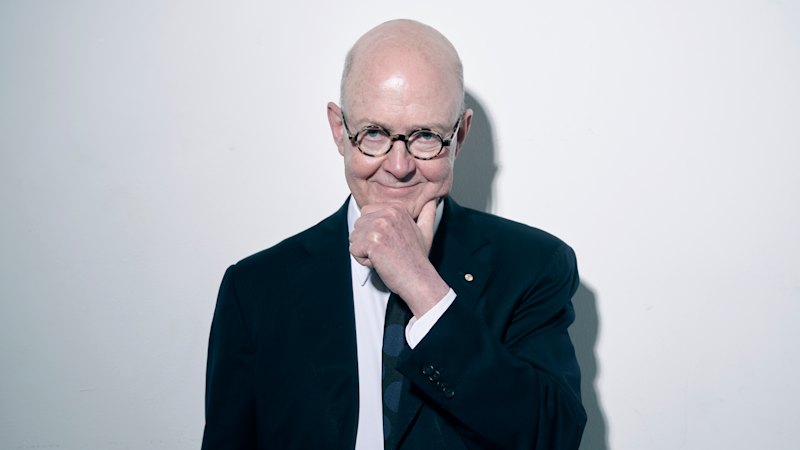
Kim Williams, a prominent figure in Australia’s media landscape, has long been a subject of both admiration and criticism. Known for his intellectual prowess and emotional intensity, Williams’ career has spanned significant roles in arts administration, television production, and media management. His tenure as the chair of the Australian Broadcasting Corporation (ABC) has been marked by notable achievements and contentious decisions, reflecting a complex legacy that continues to shape public discourse.
Williams’ multifaceted personality is a point of intrigue. Described by some as thoughtful and principled, others see him as brusque and arrogant. His career, detailed in his 2014 memoir, reveals a man who perceives himself as an outsider, a theme that resonates throughout his professional journey. Born in 1952 in Sydney’s West Ryde, Williams’ early life was shaped by a challenging family dynamic and a burgeoning love for music, nurtured by influential educators like Richard Gill.
From Music to Media: A Career of Transformation
Williams’ initial foray into the professional world was in the realm of music, where he excelled as a clarinetist and pursued a degree at the University of Sydney. His resistance to the Vietnam War and subsequent involvement in arts administration marked the beginning of a career that would see him influence Australia’s cultural and media sectors profoundly.
In the 1970s, Williams’ career took him to Italy, where he worked with renowned composer Luciano Berio. This period was transformative, both professionally and personally, as he navigated a passionate relationship with soprano Cathy Berberian and faced a bout of clinical depression. Upon returning to Australia, Williams assumed leadership roles at Musica Viva and the Australian Film Commission, setting the stage for his eventual move into television and media.
The ABC Years: Challenges and Controversies
Williams’ tenure at the ABC in the early 1990s was fraught with challenges. As general manager of subscription services, he encountered a workplace described in his memoir as “harsh and difficult.” Despite being offered a potential path to higher leadership within the ABC, Williams chose to leave, a decision he occasionally revisits with curiosity about what might have been.
His subsequent role at News Corp, where he managed Fox Studios and Foxtel, positioned him as a potential successor to the ABC’s managing director, a role he never assumed. Instead, Rupert Murdoch appointed him to lead News Corp’s Australian newspaper business in 2011. This period was marked by significant tension, as Williams attempted to modernize the newspaper division amidst resistance from established editors.
“I believe he was tasked with modernising the newspaper business, and I believe that the editors weren’t ready to be modernised,” said Neil Breen, former Sunday Telegraph editor.
Health, Leadership, and Personal Struggles
Williams’ health has been a persistent concern, exacerbated by his intense professional commitments. His neurological condition and chronic pain have required ongoing medical attention, yet he continues to channel his energy into work as a means of coping. His emotional outbursts, attributed partially to his health issues, have been both a source of personal frustration and professional critique.
One notable incident involved Williams’ intervention on behalf of comedian Sandy Gutman, also known as Austen Tayshus, which drew criticism and media attention. Williams’ actions were perceived as an overreach, prompting reflection on the importance of caution and precision in leadership roles.
“Be very precise in what you say. Be terribly thoughtful before you take action,” Williams advised, reflecting on the incident.
Legacy and Future Prospects
Despite controversies, Williams’ tenure at the ABC has seen significant achievements, particularly in securing federal funding for the broadcaster. His advocacy for the ABC has been recognized as relentless and effective, contributing to the organization’s financial stability and capacity for Australian content production.
As Williams’ role as chair continues, his influence on the ABC and broader media landscape remains significant. His ability to navigate complex political and organizational dynamics will be crucial as the ABC faces ongoing challenges in a rapidly evolving media environment.
Looking ahead, Williams’ legacy will likely be defined by his dual capacity for visionary leadership and contentious decision-making. As he approaches the end of his tenure, the question of his next steps remains open, with his future contributions to Australia’s cultural and media sectors eagerly anticipated.