




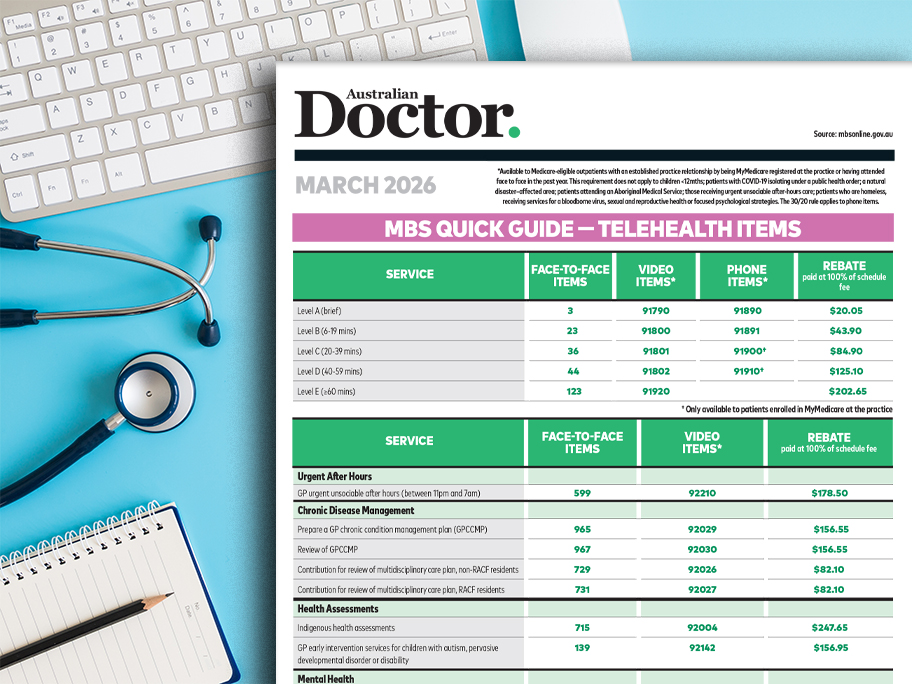
In a significant update for general practitioners (GPs) across Australia, the March edition of the Medicare Benefits Schedule (MBS) telehealth items introduces new eligible groups for disability assessments and makes amendments to Indigenous health assessment descriptors. These changes, effective from March 1, 2023, aim to enhance the accessibility and effectiveness of healthcare services provided via telehealth.
The inclusion of additional disabilities such as stuttering, speech sound disorders—including articulation and phonological disorders, childhood apraxia of speech, dysarthria—and cleft lip and palate marks a pivotal expansion in the scope of GP health assessments, plans, and allied health referrals under item 92142. This development is expected to facilitate more comprehensive care for patients with these conditions.
Expanding Access to Disability Assessments
The recent updates to the MBS telehealth items reflect a growing recognition of the diverse needs of patients requiring disability assessments. By broadening the list of eligible conditions, the Australian healthcare system aims to provide more inclusive and tailored healthcare solutions. This move is particularly significant for patients who previously faced barriers in accessing necessary assessments and referrals.
According to Dr. Emily Chen, a leading expert in telehealth services, “The inclusion of these additional conditions is a critical step in ensuring that all patients, regardless of their specific disabilities, have access to the healthcare services they need. It represents a commitment to equity in healthcare.”
Amendments to Indigenous Health Assessments
In addition to expanding disability assessments, the March updates also revise the descriptors for Indigenous health assessment items. The removal of age-based clinical activity requirements is designed to streamline the process and make it more adaptable to the unique needs of Indigenous communities.
Dr. Mark Rivers, a prominent advocate for Indigenous health, highlights the importance of this change: “By eliminating age-specific requirements, we can focus more on culturally appropriate care and address the broader health determinants affecting Indigenous populations.”
Historical Context and Implications
The evolution of telehealth services in Australia has been a gradual process, accelerated by the COVID-19 pandemic. Initially, telehealth consultations were introduced as a temporary measure to reduce the risk of virus transmission. However, their success in improving healthcare access has led to a more permanent integration into the healthcare system.
Telehealth’s expansion is not without challenges. Ensuring equitable access for remote and underserved communities remains a priority. The latest MBS updates are part of ongoing efforts to address these challenges by refining and expanding the scope of services available through telehealth.
Looking Ahead: The Future of Telehealth
The recent changes to the MBS telehealth items are indicative of a broader trend towards more personalized and accessible healthcare. As technology continues to evolve, telehealth is expected to play an increasingly central role in the delivery of healthcare services.
Experts predict that future updates will likely focus on further expanding the range of services available via telehealth, integrating new technologies, and improving the overall patient experience. Dr. Chen notes, “The potential for telehealth is vast. As we continue to adapt and innovate, we can expect to see even more transformative changes in how healthcare is delivered.”
For GPs and healthcare providers, staying informed about these changes is crucial to effectively leverage telehealth services and ensure that patients receive the highest standard of care. The March updates to the MBS telehealth items represent a significant step forward in this ongoing journey.
As the healthcare landscape continues to evolve, these developments underscore the importance of adaptability and innovation in meeting the diverse needs of patients across Australia.