



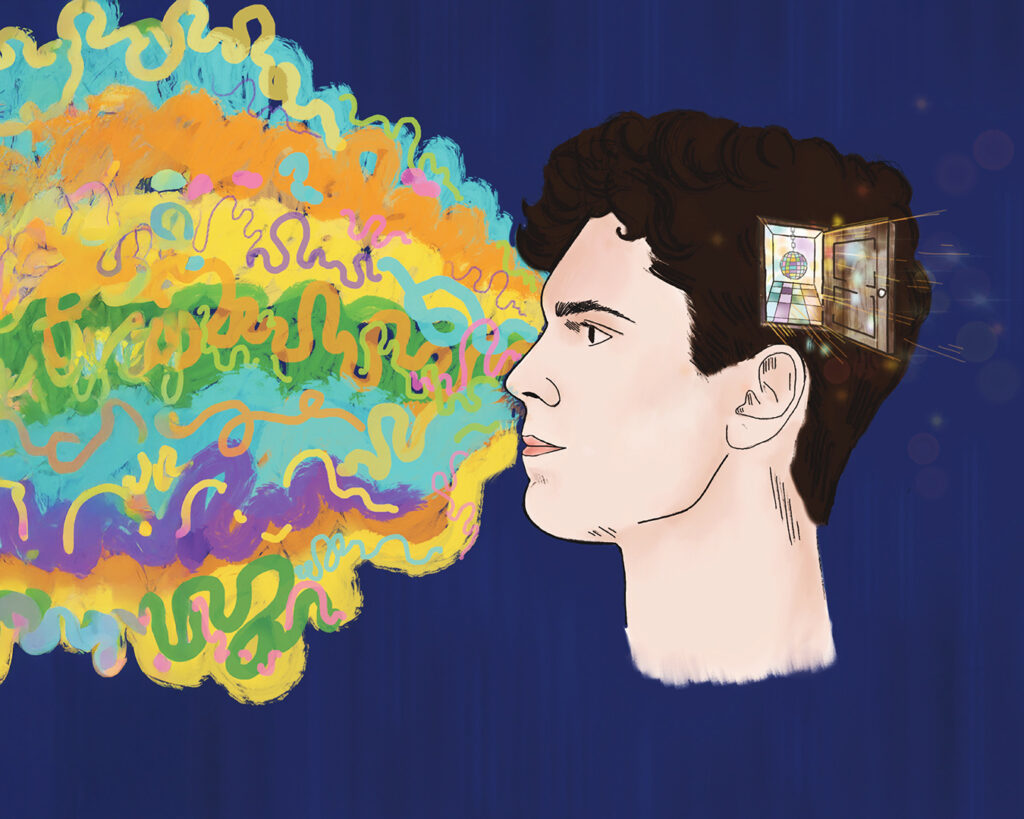
In the early hours of a Sunday morning in 2015, Emma (not her real name), a 23-year-old nursing student, sat at the end of a driveway on a quiet street in Wollongong, New South Wales. What should have been a typical suburban scene of trees and houses appeared to her as a “Legoland”—a surreal landscape of colored blocks. This was Emma’s first encounter with ketamine, a drug she snorted at a friend’s suggestion. The experience was “unusual and kind of fun,” she recalls, but not compelling enough to repeat.
Fast forward seven years to a house party in Melbourne. Now a qualified nurse, Emma was mistakenly given a large dose of ketamine, thinking it was cocaine. The result was a terrifying dissociative state known as a “K-hole,” leaving her conscious but immobile. “I hated it,” she says, recalling the nightmare of being trapped in her own body. Eventually, she managed to call her girlfriend for help, and the ordeal ended in tears as she left the party.
The Medical and Recreational Faces of Ketamine
Ketamine, originally developed as a short-acting anesthetic for both humans and animals, works by blocking key glutamate receptors, leading to feelings of detachment and altered perception. In hospitals, it is a reliable anesthetic, often used in emergency rooms for its ability to sedate patients without significantly affecting blood pressure or heart rate.
However, ketamine’s journey doesn’t end in the ER. It has also found a niche in mental health treatment, particularly for those suffering from treatment-resistant depression. This dual role makes ketamine a subject of both intrigue and debate in the medical community.
“It’s often called a horse tranquilizer or a party drug,” says Dr. Adam Bayes, psychiatrist and senior research fellow at the Black Dog Institute. “But it is used day in, day out in general hospitals for anesthesia.”
Ketamine as a Treatment for Depression
For individuals whose depression has not responded to conventional treatments, ketamine offers a glimmer of hope. In controlled, low doses, it has been shown to rapidly alleviate symptoms of depression. A study published in the British Journal of Psychiatry in 2023 found that bi-weekly ketamine injections led to full remission in over 20% of participants, with about a third experiencing significant symptom reduction.
“Effects can appear within hours, which matters if someone is suicidal,” Dr. Bayes adds.
Despite its potential, access to ketamine treatment is limited. Patients must have tried multiple antidepressants without success, and the treatment involves in-clinic administration followed by monitoring, which can be costly. While Australia’s Pharmaceutical Benefits Scheme has reduced the cost of esketamine, a ketamine derivative, the associated clinic visits remain expensive.
Legal and Ethical Considerations
Ketamine is classified as a Schedule 8 Controlled Drug in Australia, meaning its use is legal but heavily regulated. The Therapeutic Goods Administration has declined to reschedule ketamine, emphasizing the need for informed consent and clinical supervision. This cautious approach is mirrored in the United States, where the FDA has warned against unsupervised use.
The drug’s reputation as a “party drug” complicates its acceptance as a legitimate treatment option. Recreational use is rising, with national wastewater analysis showing record-high consumption. This trend raises concerns about the purity and safety of street ketamine, which can be adulterated with other substances.
Future Directions and Potential
Despite these challenges, the potential of ketamine in treating depression is significant. Researchers like Professor Paul Glue from the University of Otago are exploring new formulations, such as a slow-release oral tablet, to make treatment more accessible and reduce the burden on clinics.
“What therapy might take 20 sessions to teach, ketamine can sometimes do in one three-hour trip—provided it’s well supervised,” says John, a clinical psychologist who has used ketamine recreationally.
As the medical community continues to explore ketamine’s potential, the challenge remains to balance its therapeutic benefits with the risks associated with recreational use. For many, like Emma, the drug’s dual nature is a reminder of its complex role in both medicine and society.
In conclusion, while ketamine’s journey from a party drug to a potential lifesaver for those with treatment-resistant depression is ongoing, its future depends on continued research, careful regulation, and public education. The hope is that with these efforts, ketamine can be a safe and effective tool in the fight against depression.