


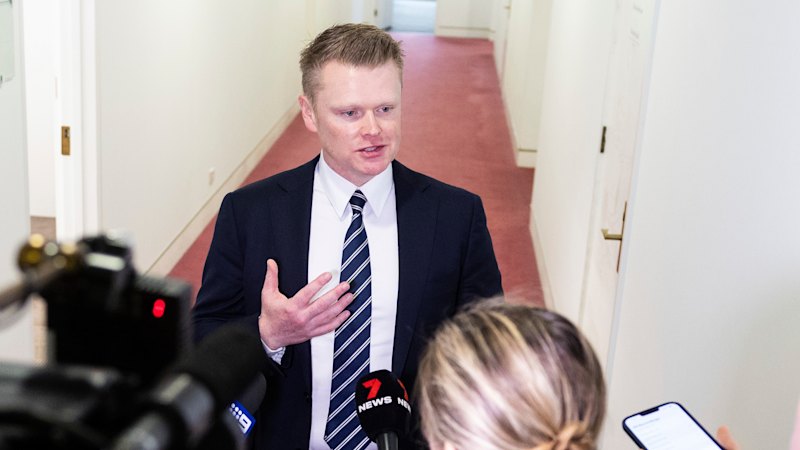
In a compelling call to action, former Menzies MP Keith Wolahan has urged the Liberal Party to resist the allure of populism and clearly differentiate itself from One Nation, particularly on issues of immigration. Wolahan’s warning comes as the party seeks to regain its footing and appeal to a broader electorate, especially in multicultural and suburban regions where it has lost ground to the Labor Party.
Wolahan’s insights are detailed in his latest essay, “Liberal Foundations,” published on Inflection Points. He argues that the Liberals must reconnect with younger voters by clearly articulating their values and policy priorities. According to Wolahan, the typical suburban swing voter is an aspirational, tertiary-educated woman in her 30s who has not yet found a natural home with the Liberals.
Rebuilding Around Core Values
The essay emphasizes the need for the Liberal Party to rebuild around core values, communicated in accessible, bite-sized formats. Wolahan highlights migration, education, and home ownership as key areas of focus. He believes that the party’s declining popularity among Chinese Australians, a significant demographic in Menzies, contributed to its recent electoral losses.
Wolahan, a former army commando and once considered a potential leader for the Liberals, lost his seat in 2025 after a boundary redistribution and a swing towards the Albanese government. Despite this setback, he remains open to running again, underscoring his commitment to the party’s future.
Engaging Multicultural Communities
One of Wolahan’s central arguments is the need for the Liberal Party to better reflect and engage with Australia’s multicultural communities. He points out that Australia is increasingly a nation of recent immigrants, with 32 percent of the population born overseas, compared to 23 percent in 1996.
“Australia today is not just a nation of immigrants; it is a nation of recent immigrants,” Wolahan said. “Of the top 50 seats by any migrant background, the party now holds only two.”
Wolahan advocates for a migration policy that is linked to the nation’s capacity for housing, infrastructure, and social cohesion, with clear and transparent measures that are regularly reviewed. His caution comes as senior Liberal figures intensify their rhetoric on migration, a move Wolahan warns could echo the “policy and tone” of One Nation, which is polling at 23 percent nationally.
The Challenge of Immigration Policy
The Liberal Party faces the challenge of crafting an immigration policy that does not alienate multicultural voters while attempting to win back those considering One Nation. New Opposition Leader Angus Taylor has emphasized the need for migrants to embrace “Australian values,” while Deputy Liberal Leader Jane Hume has linked recent migration levels to social cohesion issues, such as antisemitism.
“Immigration has grown out of control and rather than adding to our cultural richness and our economic success, it’s now beginning to be a drag on both those things,” Hume said on ABC radio.
Path to Political Recovery
In his essay, Wolahan reflects on the Howard government’s electoral success, attributing it to its ability to connect with “Phil and Jenny” – suburban, non-university educated voters focused on interest rates. He argues that the decisive voter in 2026 is a woman, a renter, and the child of small business owners who migrated from China.
“She works hard. She pays her taxes. She wants to buy a home, start a family, and build a life. She believes in aspiration. She should be a Liberal voter, yet she is not,” Wolahan said.
Wolahan stresses that the Liberal Party cannot govern Australia without winning in urban areas. While acknowledging the rise of teal independents, he notes that the Coalition has lost more seats to Labor in multicultural middle and outer suburban areas.
Wolahan calls for the party to preselect better candidates and draw members from diverse backgrounds, including migrant families and young professionals. He concludes with a stark reminder of the party’s existential challenge:
“No political party has a right to survive. I believe that recovery depends on two things: clarity about what we believe, and people of competence and character to deliver it.”
The Liberal Party’s path forward involves not just rediscovering its beliefs but clearly articulating them and proving them through its candidates and leaders. As Wolahan’s essay suggests, the party’s future hinges on its ability to adapt to the changing demographic and political landscape of Australia.