
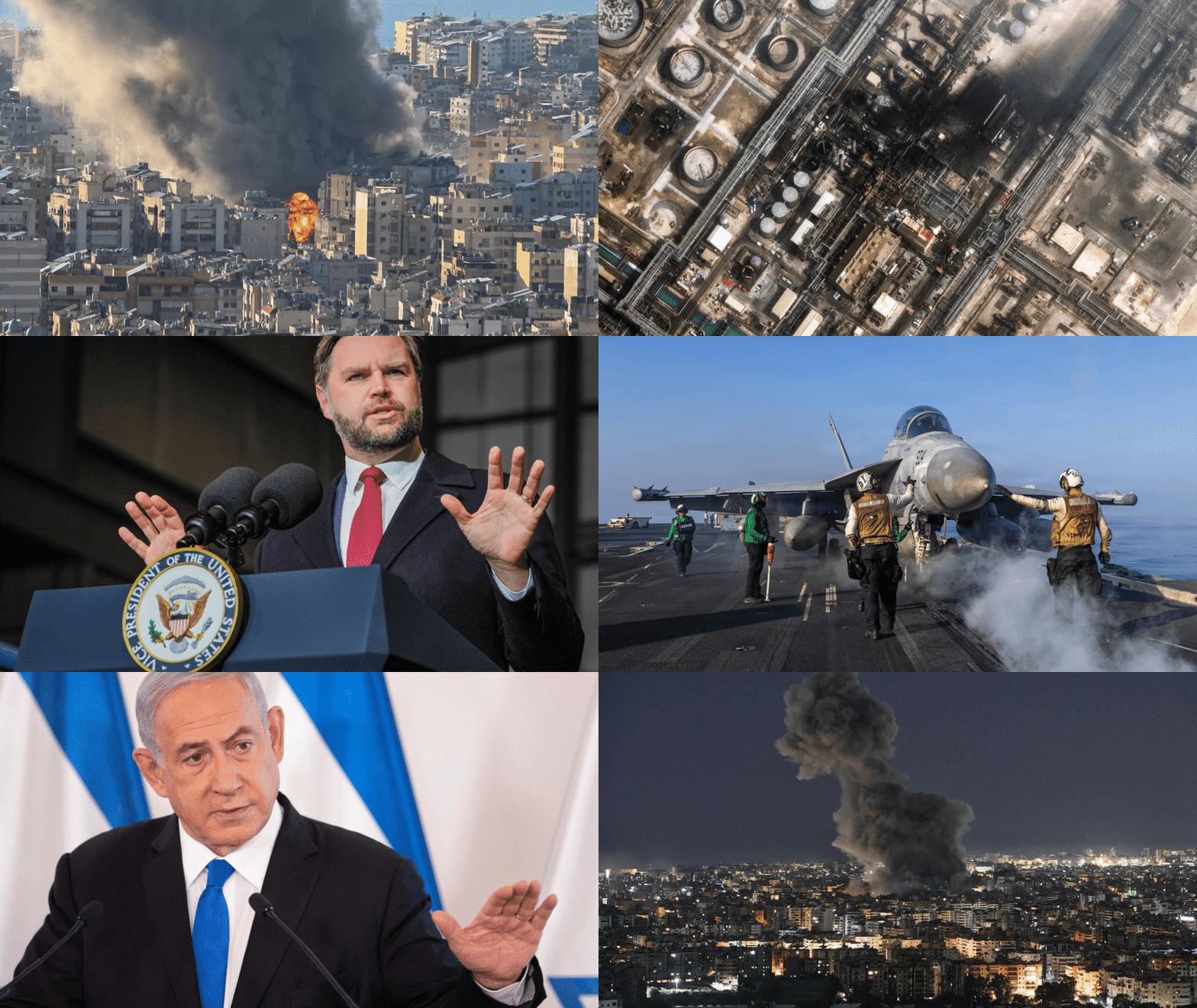


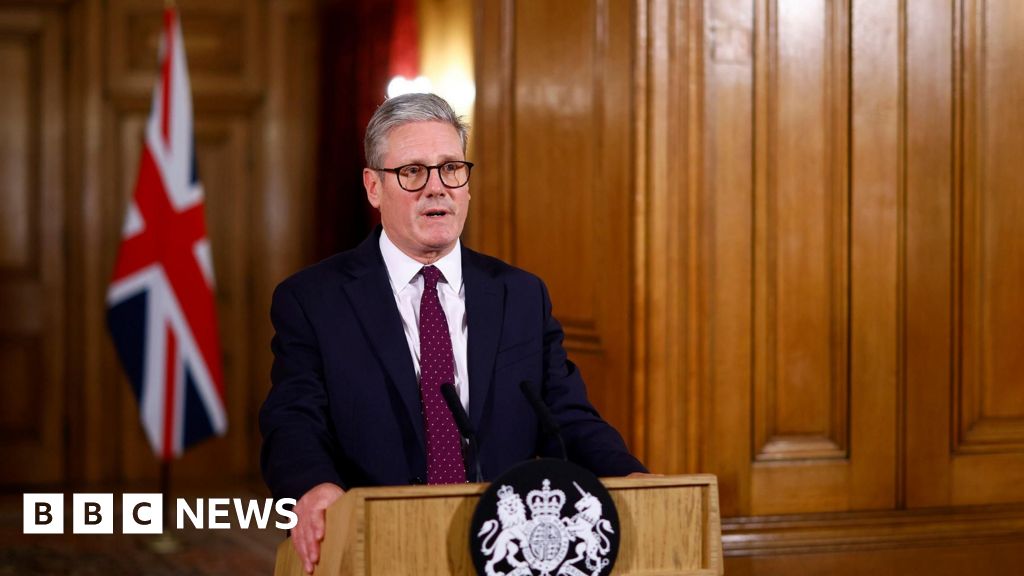
Keir Starmer, the leader of the Labour Party, finds himself at a critical juncture as he navigates the UK’s response to American military actions in the Middle East. This situation echoes back to March 2003, when Starmer, then a barrister, expressed his views in The Guardian just as Britain was poised to join the Iraq War.
In a speech released by Downing Street on Sunday night, Starmer, who once campaigned against British involvement in Iraq, emphasized the importance of learning from past mistakes. “We all remember the mistakes of Iraq. And we have learned those lessons,” he stated, underscoring the national interest by invoking Britain repeatedly: “This is the British government, protecting British interests and British lives.”
Defining a Distinct British Strategy
Starmer’s remarks highlight his attempt to carve out a distinct British approach to the current conflict, setting it apart from the broader aspirations of regime change pursued by the US and Israel. Notably, the UK chose not to participate in the initial wave of strikes, a decision that some interpret as a silent critique of the legality and morality of those actions.
In his statement, Starmer announced a new stance: the UK would not engage in “offensive action” against Iran. However, due to Iran’s “scorched earth strategy” in response to US and Israeli actions, the UK will allow the US to use joint UK-US bases to target Iran. The aim is to degrade Iran’s capacity to launch missile and drone attacks, particularly in Gulf countries where many British citizens reside.
Political Reactions and Criticisms
This decision has sparked a spectrum of reactions within the UK. Some MPs criticize the government for permitting any use of British bases for strikes, fearing deeper entanglement in the conflict. Conversely, others argue for more robust support of actions that could potentially destabilize a threatening regime in Iran.
The political landscape is divided, with the Greens and Liberal Democrats opposing the strikes, while the Conservatives and Reform UK advocate for a more aggressive stance. Within Labour, Starmer faces a divided party, reflecting broader tensions in foreign policy that have intensified since October 7, 2023.
Historical Context and International Alliances
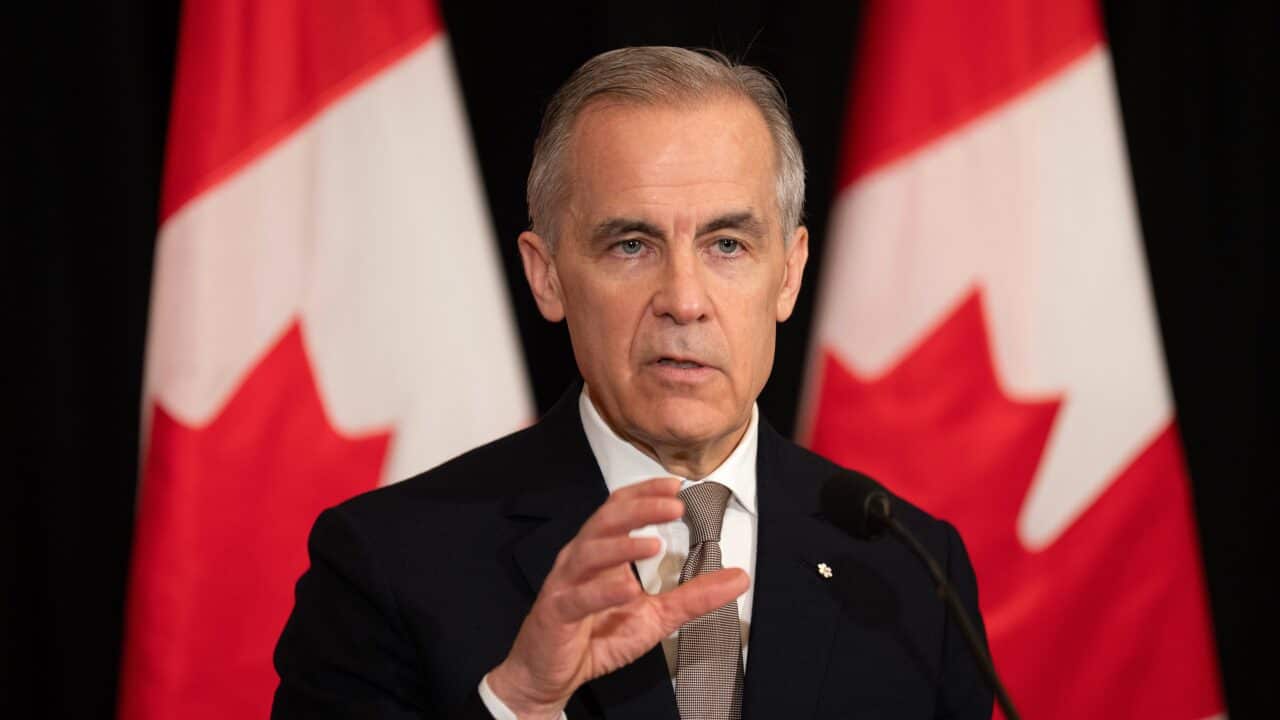
The backdrop of the Iraq War looms large, with British military involvement in the Middle East generally unpopular since then. Starmer’s approach also aligns with the E3 leaders—Germany’s Chancellor Friedrich Merz and France’s President Emmanuel Macron. However, his closest allies appear to be Australia’s Anthony Albanese and Canada’s Mark Carney, both of whom share a center-left perspective.
Despite these alliances, differences remain. Merz recently remarked that “international law classifications will have little effect” on the current situation, a stance that contrasts with Starmer’s emphasis on the rule of law.
Domestic Implications and Future Challenges
Domestically, Starmer’s strategy is under scrutiny, especially following the Green Party’s victory in the Gorton and Denton by-election, which highlighted the impact of foreign policy on British politics. The ongoing conflict also raises concerns about the safety of over 300,000 British citizens in the Gulf region.
While the government is keen to avoid the perception that an evacuation is inevitable, the continuation of the conflict may increase pressure for government intervention. This delicate balance underscores the complexity of Starmer’s position as he seeks to navigate both domestic and international challenges.
As the situation unfolds, Starmer’s ability to maintain a coherent and distinct British policy will be crucial in shaping the UK’s role on the global stage and addressing the concerns of both his party and the broader public.