



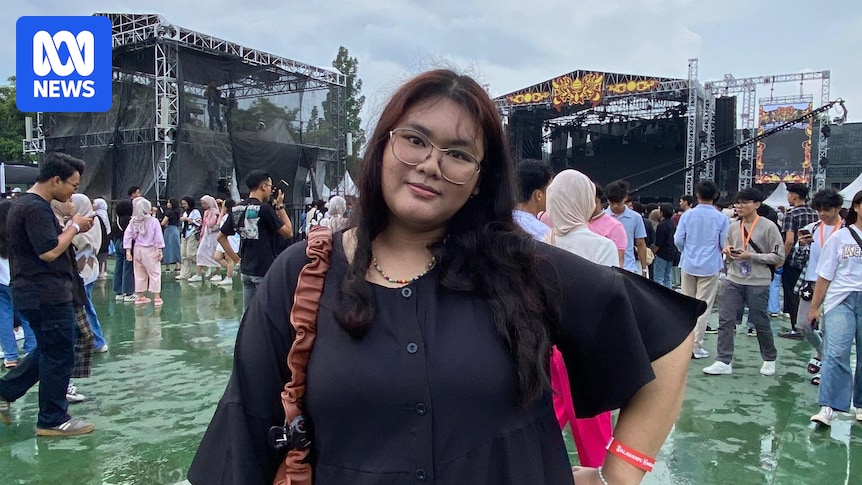
Mumpuni Ken Desti, an avid K-pop fan from Indonesia, has found herself reconsidering her travel plans to South Korea after an online feud erupted following a K-pop concert. The dispute began in late January at a Day6 concert in Kuala Lumpur, where Malaysian attendees criticized Korean fans for using professional cameras, violating concert rules.
The incident quickly escalated on social media, with Malaysian concertgoers accusing Korean fans of disrespecting local regulations. In response, South Korean netizens, often referred to as Knetz, rallied in defense of their compatriots. The clash intensified as netizens from South-East Asia united under the hashtag “SEAblings,” a blend of “South-East Asia” and “siblings,” to express solidarity.
The Social Media Storm
The feud, initially sparked on X, spread rapidly across platforms like YouTube, Instagram, Facebook, and TikTok. According to Indonesia’s social media monitoring platform Drone Emprit, the “Knetz vs SEAblings” issue garnered
18,000 mentions and 222 million engagements
across these platforms.
Both sides exchanged insults, with some posts, particularly from Knetz users, taking a racist tone by mocking the physical features and skin tones of South-East Asians. This prompted Ms. Desti to reconsider her support for Korean pop culture, opting instead to follow local Indonesian girl bands like No Na.
Apologies and Cultural Reflections
In the wake of the controversy, some South Korean content creators have issued apologies. One TikTok user stated,
“On behalf of Korea, I want to say that I apologise. Racism should never happen.”
Jin Seunghyeon, a South Korean content creator studying in Indonesia, emphasized that the feud has unfairly painted South Koreans as racist, a perception he believes is inaccurate.
Despite Indonesia being K-pop’s largest market in South-East Asia, the online conflict has led to calls for a boycott of K-pop concerts and Korean culture. Ranny Rastati, a researcher at Indonesia’s National Research and Innovation Agency, noted that while the feud might not significantly impact Korean industry revenues, it could shift fan interest towards other countries like China and Thailand.
Historical and Social Context
The incident has also brought to light issues of systemic racism within South Korea. Ivy Tania, an Indonesian who trained as a K-pop idol in 2014, recounted experiences of racial discrimination during her time in South Korea. The country, along with Japan, lacks a comprehensive anti-discrimination law, though several bills have been proposed in South Korea’s parliament over the years.
Dr. Jihye Kim, a Korean Studies lecturer at the University of Melbourne, explained that South Korea’s historical emphasis on ethnic homogeneity has contributed to challenges in embracing ethnic diversity. This notion was particularly challenged in the 1990s with increased immigration from South-East Asia.
Addressing Racism and Cultural Lag
Adam Zulawnik, another expert in Korean studies, suggested that the South Korean government should consider introducing hate speech laws to address online racism. He noted that South Korea’s domestic attitudes are lagging behind its global cultural influence, particularly in the realm of K-pop.
According to the Korea Culture and Tourism Institute, the K-pop industry generated nearly
$900 million
from overseas markets in 2023. The South Korean Ministry of Culture, Sports, and Tourism, along with the Korea Culture and Tourism Institute, has been approached for comment on the issue.
Solidarity Among South-East Asians
Despite the negativity, the online feud has fostered a sense of unity among South-East Asian netizens. Syifa Nabila Syaharani Jauhari, an analyst at Drone Emprit, observed that the interaction was positive from a South-East Asian perspective, as it united them against racism and discrimination.
Ms. Jauhari noted that many South-East Asian users responded to the insults with humor and memes, which helped diffuse tension and foster solidarity. The incident also highlighted the role of social media algorithms in amplifying discussions beyond the K-pop community.
Ms. Desti expressed that while the racist comments were disheartening, the solidarity shown by South-East Asians was uplifting.
“After seeing reactions by Indonesians who turned it into entertainment … I’ve decided to let it go,”
she said.
The situation has prompted platforms like X and Meta to be approached for comment, as the online community continues to grapple with the cultural tensions highlighted by this incident.