

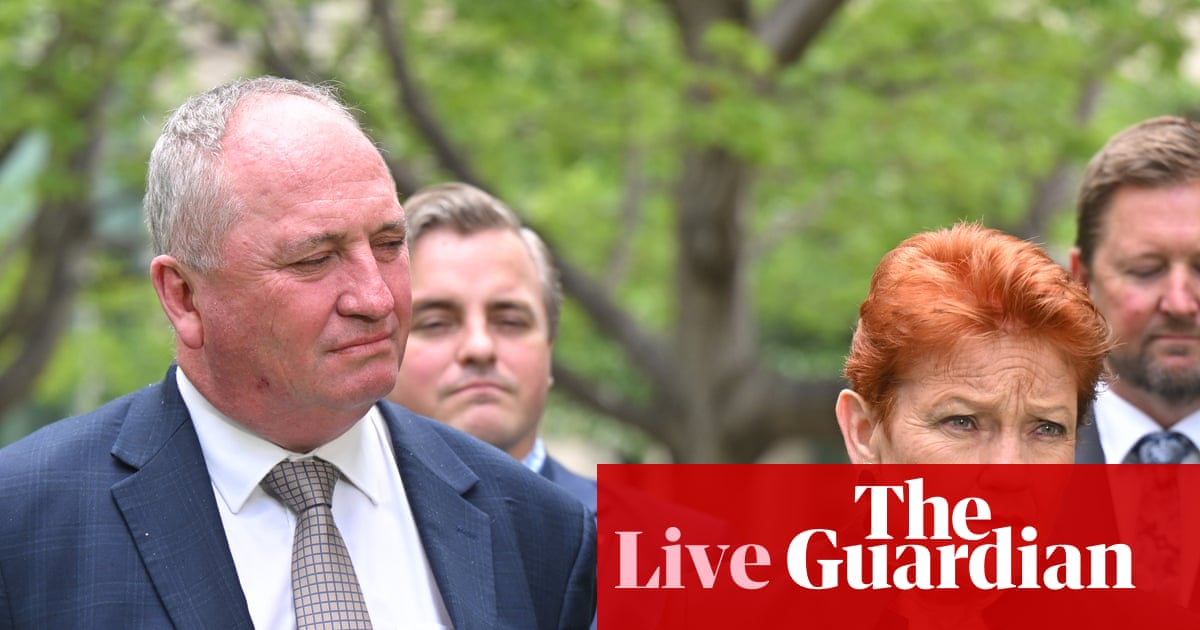
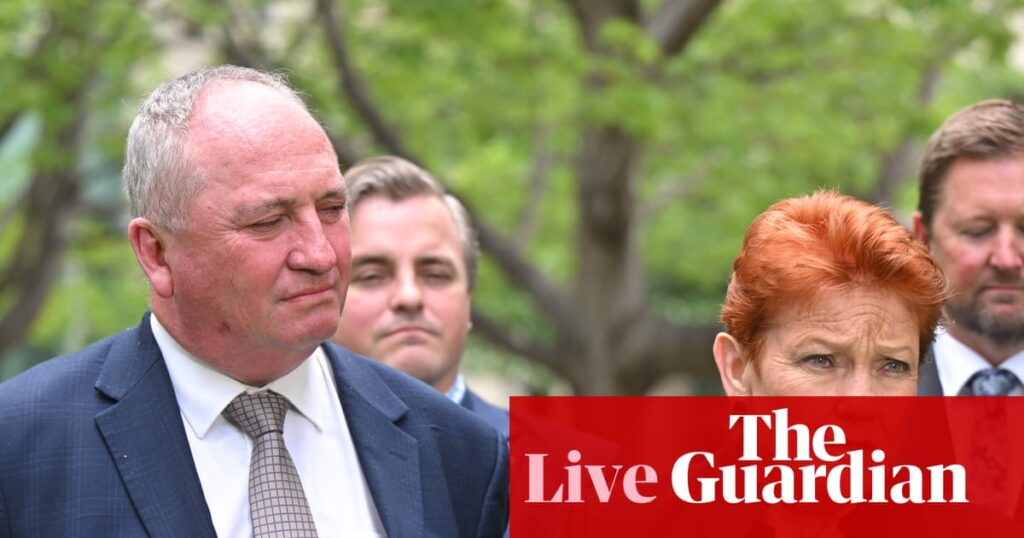
In a significant political development, Barnaby Joyce, a prominent figure in Australia’s One Nation party, has publicly disagreed with his leader Pauline Hanson’s recent controversial comments about Muslim Australians. This comes amidst ongoing discussions about the return of Australian women and children linked to Islamic State militants.
Hanson, who faced censure in the Senate earlier this month, made headlines when she questioned the existence of “good” Muslims during an interview with Sky News. Joyce, who transitioned from the Nationals to join Hanson’s party last year, expressed his dissent on ABC TV, emphasizing the presence of good Muslims in Australia.
“I’ll make it very clear, I do know people of the Islamic faith who are good people, without a shadow of a doubt,” Joyce stated, acknowledging that while Hanson’s comments might reflect her convictions, a more nuanced approach would have been preferable.
Political Repercussions and Historical Context
The disagreement between Joyce and Hanson highlights ongoing tensions within Australian politics regarding immigration and multiculturalism. The rise of One Nation, known for its hardline stances, has often been attributed to a segment of the Australian populace feeling disconnected from mainstream political narratives.
Historically, Hanson has been a polarizing figure, with her party gaining traction in the late 1990s by capitalizing on fears about immigration and economic insecurity. Her recent comments have reignited debates about the role of Islam in Australia, a nation that prides itself on its multicultural identity.
Defence Forces Mobilized for Flood Recovery
Meanwhile, the Australian Defence Force is set to assist with the clean-up efforts following severe flooding in the Northern Territory’s Top End. The federal minister for emergency management, Kristy McBain, confirmed the deployment of personnel to aid recovery efforts in the region, particularly around Katherine.
“Those logistics are being worked out, but they’ll be there to assist for the next 10 to 14 days, depending on what is required in that cleanup process,” McBain told ABC radio. The flooding has left the community of Daly River inundated, with all residents safely evacuated to Darwin.
Climate Challenges and Government Response
Australia’s northern regions have been increasingly vulnerable to extreme weather events, a phenomenon attributed to climate change. The government’s response, including the mobilization of defence resources, underscores the growing need for comprehensive disaster management strategies.
Experts warn that such events could become more frequent, necessitating stronger infrastructure and community preparedness. The current situation serves as a stark reminder of the challenges posed by climate change and the importance of resilient planning.
Broader Implications for Australian Politics
Joyce’s comments and the subsequent political fallout could have broader implications for Australia’s political landscape. As debates over immigration and national identity continue to simmer, political leaders face the challenge of addressing these issues without alienating key voter bases.
Furthermore, the government’s handling of natural disasters like the Top End floods will be closely scrutinized as Australians increasingly demand action on climate change and its impacts.
As the nation navigates these complex issues, the coming months will likely see intensified political discourse and policy debates. The outcomes could shape Australia’s approach to multiculturalism, climate policy, and national security for years to come.
Stay tuned for further updates as these stories develop.