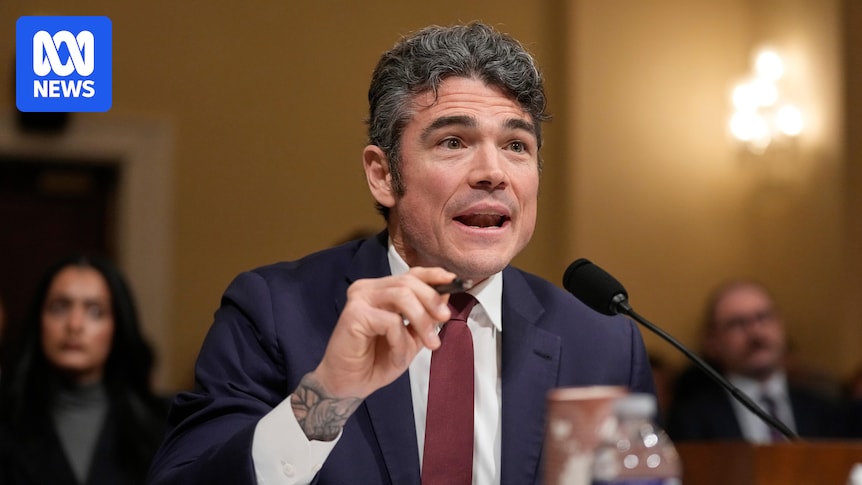
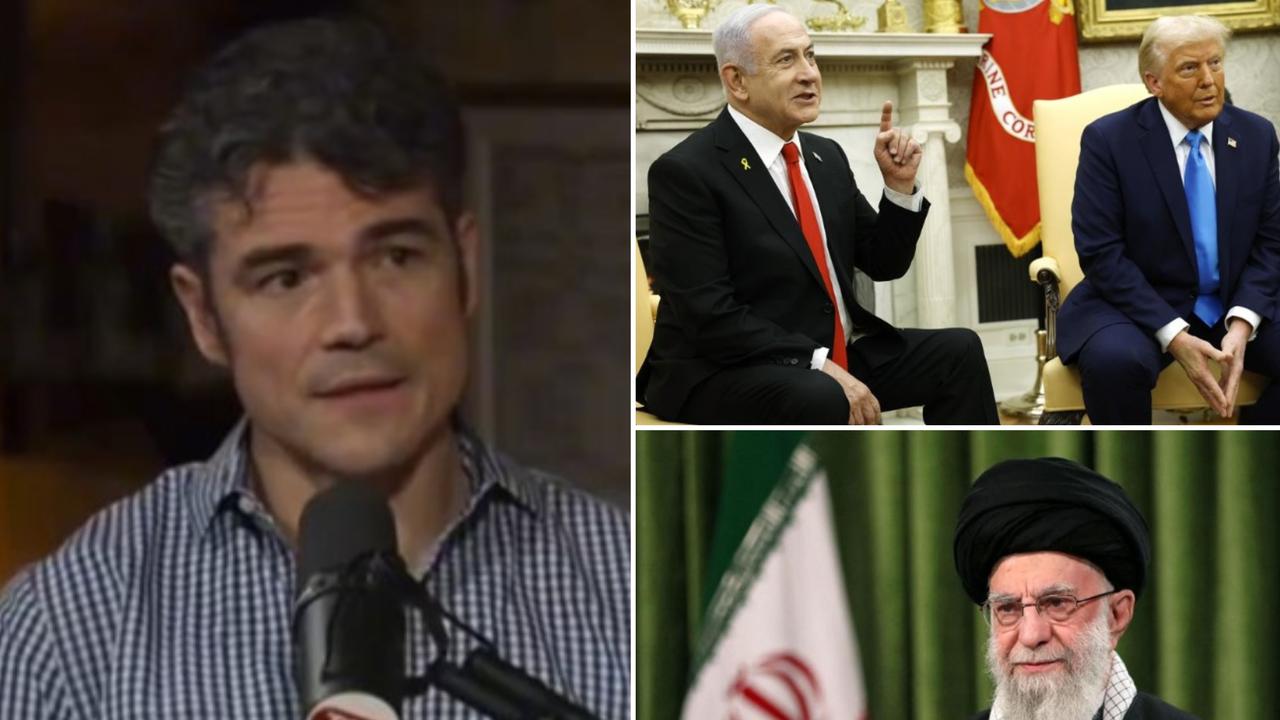
Joe Kent, the former director of the Trump administration’s National Counterterrorism Centre, resigned yesterday, citing his inability to support the ongoing conflict in the Middle East. In a bold resignation letter, the 45-year-old stated, “Iran posed no imminent threat to our nation, and it is clear that we started this war due to pressure from Israel and its powerful American lobby.”
Speaking to U.S. broadcaster Tucker Carlson, Kent reiterated his stance, questioning the intelligence that justified the U.S. military actions. “There was no intelligence that said, hey, on whatever day it was, March 1, the Iranians are going to launch this big sneak attack,” Kent claimed, adding that the escalation was deliberate and unwarranted.
Disputed Threat Perception
President Trump, Secretary of State Marco Rubio, and other officials have maintained that the Iranian regime posed an “imminent threat,” necessitating military action. However, Kent countered these assertions, arguing that Iran was not on the brink of developing a nuclear weapon. He referenced a 2004 fatwa prohibiting nuclear weapon development, emphasizing that there was no intelligence suggesting a change in this stance.
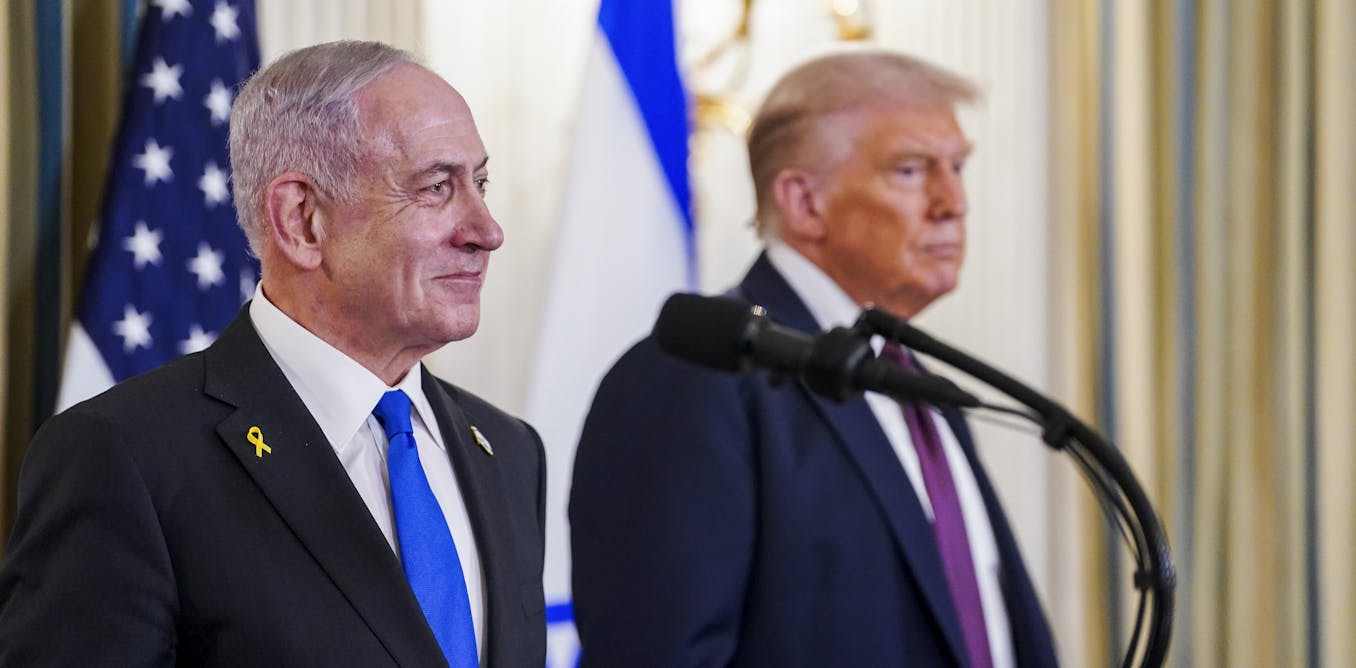
Kent also suggested that Israel should have addressed its issues with Iran independently, proposing that the U.S. could have negotiated separately with Iranian leaders. “I think it’s fine that we offer defense to Israel, but when we’re providing the means for their defense, we get to dictate the terms of when they go on the offensive,” Kent stated.
White House Response
White House Press Secretary Karoline Leavitt dismissed Kent’s claims as “many falsehoods,” asserting that President Trump had not been manipulated. “It’s been a while since the President has seen him here at the White House,” she noted, downplaying Kent’s involvement in recent intelligence briefings.
Meanwhile, Director of National Intelligence Tulsi Gabbard faced intense scrutiny from senators about the military campaign, “Operation Epic Fury.” Gabbard maintained that determining an imminent threat is the President’s responsibility, though she acknowledged that Iran’s regime remains “intact, but degraded” following significant leadership losses.
“The IC (intelligence community) assesses that if a hostile regime survives, it will likely seek to begin a years-long effort to rebuild its military, missiles, and UAV forces,” Gabbard informed the Senate.
Escalating Regional Tensions
The conflict, which began on February 28, has now entered its 20th day. Iran has retaliated with attacks in Lebanon, targeting Hezbollah strongholds in Beirut. Iran’s new supreme leader, Mojtaba Khamenei, vowed revenge for the death of security chief Ali Larijani in an Israeli strike, further inflaming tensions.
Iran’s Revolutionary Guards issued a stark warning to neighboring Gulf nations, threatening to destroy their oil and gas industries if further attacks on Iranian infrastructure occur. This follows strikes on Qatar’s Ras Laffan gas hub and Iran’s South Pars facility, which Iran blames on Israel and the United States.
“Our response will be much more severe than tonight’s attacks,” the Guards warned, highlighting the potential for further escalation.
Implications and Future Outlook
The resignation of Joe Kent and his explosive claims have added a new dimension to the already complex geopolitical situation in the Middle East. The allegations of undue influence by Israel and its lobby in the U.S. could have lasting implications for American foreign policy and its alliances in the region.
As the conflict continues, the international community watches closely, concerned about the potential for broader regional instability. The coming weeks will be critical in determining whether diplomatic efforts can de-escalate tensions or if the situation will spiral further into conflict.