



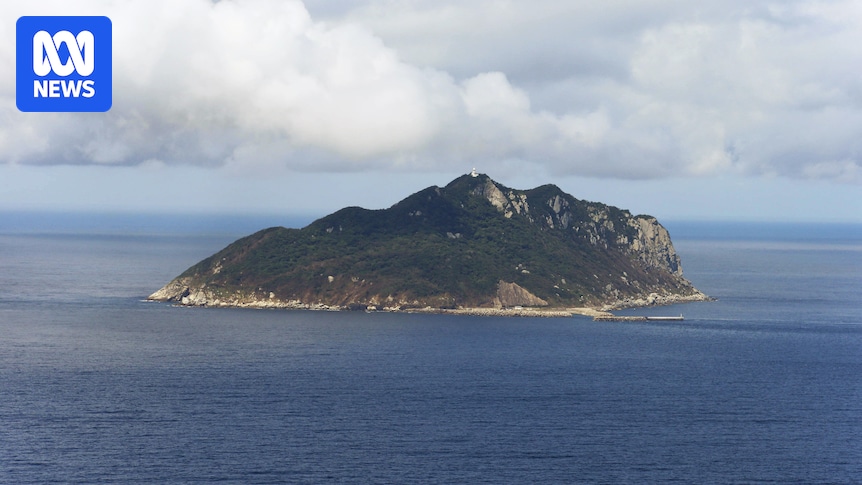
Bursting with color and edged with mountainous cliffs, Okinoshima Island, nestled between Japan and the Korean Peninsula, is a sacred, World Heritage-listed “forbidden” island. Despite its rich history and cultural treasures, it remains completely off-limits to women, a rule deeply rooted in religious tradition.
Located approximately 60 kilometers from Munakata City in Kyushu’s Fukuoka Prefecture, Okinoshima has been largely untouched since the ninth century. Until 2017, only 200 men were permitted to visit the island for a single day each year during its annual On-Site Grand Festival. These visitors were required to observe strict religious prohibitions, including purification rituals performed naked in the surrounding waters, and the “Oiwazu-sama” taboo, which forbids disclosing anything seen or heard on the island.
Historical and Cultural Significance
Professor Simon Kaner, a member of the international expert panel that assessed Okinoshima’s bid for World Heritage listing in 2017, described the island as “surrounded by taboos.” The island is home to a collection of some 80,000 votive offerings, national treasures deposited by envoys traveling between Japan and the East Asian mainland from the 4th to the 9th centuries. These offerings were used in sacred rituals to pray for the protection of ships and the safety of sailors.
“Okinoshima is a microcosm of many of the mysteries which surround Japan’s ancient past and a treasure house which casts light on Japan’s interactions with the ancient world,” Professor Kaner noted. Since 2017, the island has been occupied by a rotation of two dozen Shinto priests from the Munakata Taisha Shinto shrine, with only one priest residing on the island at any given time.
Gender Taboo Rooted in Religious Beliefs
The exclusion of women from Okinoshima is rooted in both Shinto and Buddhist traditions. According to Kaori Okano, a professor of Asian studies and Japanese at La Trobe University, Shinto beliefs consider menstrual blood as “impure.” The arrival of Buddhism in Japan in the mid-sixth century solidified the ban on women visiting the island.
Another Shinto belief is that divine spirits, often goddesses, reside in natural elements like mountains and seas, and can become “jealous” or “upset” by the presence of women. “Nature worship believes there is a god in the mountain, a god in the sea … so there is a god in Okinoshima island,” Professor Okano explained. This belief is part of why the island remains exclusive to men.
Gender Exclusivity in Japan’s Sacred Sites
Okinoshima is not the only sacred place in Japan to ban women. Gender exclusivity is woven throughout traditional Japanese history, with women historically banned from many mountains, temples, and Shinto sacred sites. These exclusions continue to impact contemporary society, as evidenced by Japan’s ranking of 118th out of 148 countries in the Global Gender Gap Index (GGGI) in 2023.
Implications of World Heritage Status
Professor Okano questioned the World Heritage Committee’s decision to grant Okinoshima its listing while women were still banned. “Having Okinoshima as World Heritage in a way legitimizes this gender-specific practice,” she said, noting that bans on women visiting other sacred sites in Japan have been lifted without disrupting religious practices.
The topic was heavily debated during Okinoshima’s nomination for World Heritage status. Professor Kaner acknowledged that the prohibition on women visiting the island was “one of the really problematic aspects of the World Heritage inscription.”
Preserving Cultural Heritage and Gender Equality
A UNESCO spokesperson stated that the island’s World Heritage status was granted based on its Outstanding Universal Value (OUV), which includes the cultural tradition of worshipping a sacred island and historical exchanges among East Asian polities. “UNESCO does not intervene in the social, cultural, or religious practices that fall within the domestic affairs of its state’s parties,” the spokesperson said.
“It is noteworthy that UNESCO continues to promote gender equality as a global priority, while respecting the framework of the World Heritage Convention and cultural diversity,” the spokesperson added.
Professor Kaner emphasized the importance of preserving Okinoshima’s sanctity while acknowledging the gender exclusion issue. “Many of [these objects that] have now been designated as national treasures have tremendous value for both Japan and for people all around the world in understanding the contribution that Japan has made to world history,” he said.
As Japan continues to grapple with its gender divisions, Okinoshima remains a symbol of the tension between preserving cultural heritage and advancing gender equality. The island’s sacred status and the ongoing debate around its gender policies highlight the complexities of balancing tradition with modern values.