




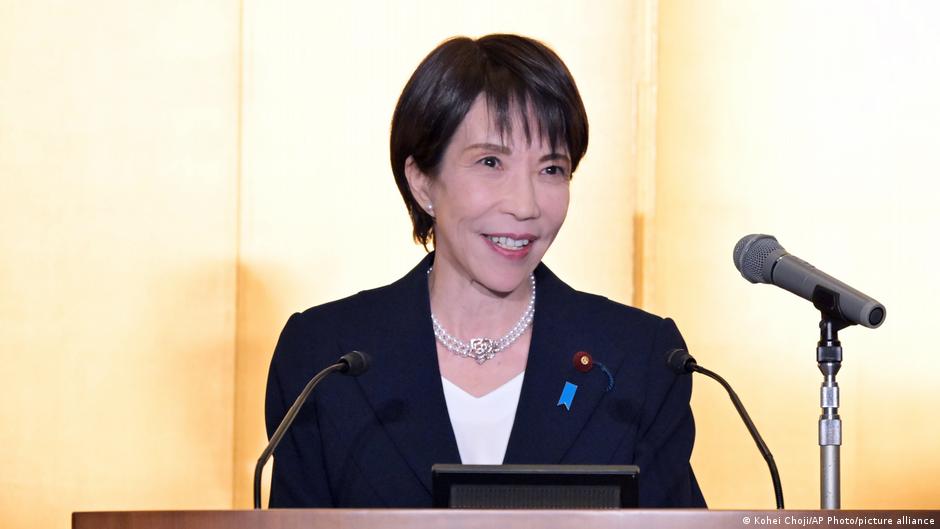
Sanae Takaichi, Japan’s popular Prime Minister, has called for an early parliamentary election, set to take place in February, marking the first winter election in Japan in 36 years. Despite her well-known aversion to Japan’s hot and humid summers, the decision to hold elections in the snowy month is driven by her soaring approval ratings. Recent opinion polls indicate that Takaichi enjoys a 78% approval rating among voters.
Takaichi, who assumed office after replacing Shigeru Ishiba in late October, aims to solidify her political standing through this election. A victory could either bolster her current slim majority with her coalition partner, the Japanese Innovation Party (Nippon Ishin no Kai), or potentially restore the absolute majority that her Liberal Democratic Party (LDP) lost in the 2024 general election. Her attempts to bring the opposition Democratic Party for the People (DPFP) into the coalition were unsuccessful, prompting this bold electoral move.
Dreams of Regaining an LDP Majority
Should the LDP regain a majority, Takaichi would no longer rely on opposition support to pass budgets and legislation, allowing her to strengthen her influence within the party. “It’s all quite daring,” commented Axel Klein, a Japan expert from the University of Duisburg-Essen in Germany. “But Takaichi might be betting that her popularity could render her new coalition partner Ishin superfluous.”
On Wednesday, the 64-year-old prime minister informed LDP leaders of her intention to dissolve parliament when its regular session convenes on January 23. Takaichi is expected to provide further details on Monday, with Japanese media suggesting that the election will likely occur on February 8 or 15. Investors have already shown their approval, as the benchmark Nikkei 225 index surged to a record high, anticipating that a Takaichi victory would facilitate the implementation of her “proactive” fiscal policies and increased government spending.
Public Image as a Decisive Woman
Takaichi’s popularity is partly attributed to her status as the first woman to hold Japan’s highest political office. Her straightforward economic revitalization plan, which includes abolishing a special gasoline tax and expediting budgetary measures for energy and fuel subsidies, resonates with the public. Tax cuts are also planned for this year.
Her firm stance against economic pressure from Beijing, particularly her vow to support Taiwan in the event of a military conflict with China, has also garnered public support. Additionally, Takaichi’s leadership style brings a fresh perspective to Japanese politics, traditionally dominated by elderly men. Recently, she and South Korean President Lee Jae Myung showcased their camaraderie by playing drums together at an official summit.
“The image of a leader, a decisive woman, heading the country could distract from an objective debate over her record since taking office,” says Japan expert Klein. “Social media image campaigns are more likely to motivate voters than dry facts.”
Fateful Coalition Collapse Spawns New Political Threat
Despite her personal popularity, Takaichi faces significant challenges. The LDP has been embroiled in scandals involving illicit campaign funds and ties to South Korea’s Unification Church, leading to a stagnant 30% approval rating for the party. Unification Church members had supported the LDP during the 2024 election, while party leaders ignored the political donations scandal.
The second challenge emerged on Thursday when Japan’s two largest opposition parties announced the formation of the Centrist Reform Union. This new alliance, comprising the larger Constitutional Democratic Party of Japan (CDP) and the moderate-liberal Komeito party, aims to present a centrist alternative to Takaichi’s conservative government in the upcoming election.
The CDP and Komeito oppose changes to Japan’s pacifist constitution and are skeptical of nuclear energy. They advocate for an “economy that respects the people” and seek to expand the welfare state to benefit the disadvantaged. They also support changes to Japan’s marriage laws to allow more flexibility in surname choices.
Historically, Komeito was a coalition partner of the LDP for 26 years. However, differences over party finance and security policy led to Komeito’s departure in October, which contributed to the coalition’s collapse. The LDP had benefited from electoral agreements with Komeito, as Soka Gakkai Buddhist supporters were instructed to vote LDP in precincts without Komeito candidates, and vice versa.
The Japanese newspaper Nihon Keizai Shimbun estimates that this arrangement added 25 seats to the LDP’s overall result during the last election. “Lack of support from Komeito could cost the LDP a lot of seats if Takaichi’s ‘shine’ can’t mobilize other voter blocs to compensate for the loss of its old coalition partner,” warned Klein.
As Japan prepares for this historic winter election, the political landscape is poised for significant shifts. The outcome will not only determine Takaichi’s political future but also shape the direction of Japan’s domestic and foreign policies in the years to come.