


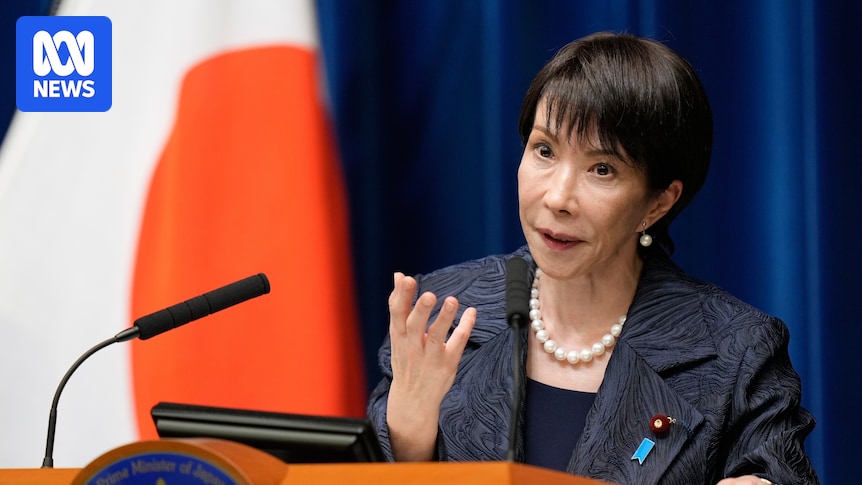
Nearly 60 female politicians in Japan, including Prime Minister Sanae Takaichi, have submitted a petition calling for more toilets in the parliament building to reflect their increased representation. This move highlights ongoing gender disparities in Japanese politics, despite recent gains in female political participation.
The petition underscores a significant issue: the current facilities are inadequate for the 73 women elected to the lower house. According to the document, there is only one restroom with two cubicles near the Diet’s main plenary session hall. “Before plenary sessions start, truly so many women lawmakers have to form long queues in front of the rest room,” said Yasuko Komiyama from the opposition Constitutional Democratic Party. The appeal, signed by 58 women, was submitted to Yasukazu Hamada, the chair of the lower house committee on rules and administration, earlier this month.
The Historical Context of Gender Disparity
The Diet building, completed in 1936, predates women’s suffrage in Japan, which was granted in December 1945 following the country’s defeat in World War II. The building’s infrastructure reflects a time when female political participation was not anticipated. Currently, the lower house has 12 men’s toilets with 67 stalls compared to nine women’s facilities with a total of 22 cubicles, as reported by the Yomiuri Shimbun newspaper.
Japan’s struggle with gender equality is further highlighted by its ranking of 118 out of 148 in the World Economic Forum’s Global Gender Gap Report. Women in politics often face sexist remarks and societal expectations that they should prioritize domestic roles over professional aspirations.
Current Political Landscape
In the last election in 2024, 73 women were elected to the 465-seat lower house, marking an increase from 45 in the previous parliament. The upper house also sees 74 women among its 248 members. The government’s target is for women to occupy at least 30 percent of legislative seats, a goal that remains unmet.
Prime Minister Sanae Takaichi, who became Japan’s first female prime minister in October, has expressed aspirations for gender parity akin to Nordic countries. However, her cabinet appointments reflect a more conservative approach, with only two other women in her 19-member cabinet. Takaichi, known for her admiration of former British Prime Minister Margaret Thatcher, has also voiced conservative views on issues such as family law and imperial succession.
Implications and Future Prospects
The demand for more women’s toilets in the Diet is both a symbol of progress and a reminder of the challenges that remain in achieving gender equality in Japan. “In a way, this symbolises how the number of female lawmakers has increased,” Komiyama told reporters, emphasizing the need for equality in other areas of life as well.
While the petition for more restrooms may seem like a minor issue, it reflects broader systemic inequalities that women face in Japanese society. The lack of adequate facilities is a physical manifestation of the historical and ongoing marginalization of women in politics and other spheres.
“The increasing demand for women’s toilets can be seen as a sign of progress for Japan although it also reflects the nation’s failure to achieve gender equality,” said Yasuko Komiyama.
As Japan continues to grapple with gender disparities, the push for more facilities in the Diet building serves as a microcosm of the broader struggle for equality. The outcome of this petition could set a precedent for addressing other gender-related issues within the political sphere and beyond.
Moving forward, the focus will likely remain on how Japan can bridge the gender gap in politics, business, and society at large. The government’s commitment to reaching its targets for female representation will be crucial in this endeavor, as will the continued advocacy from female leaders like Takaichi and Komiyama.