




A potentially fatal neurological illness, Japanese encephalitis (JE), is currently circulating in parts of southern New South Wales (NSW). Health authorities are urging residents and visitors to adopt protective measures to mitigate the risk of infection.
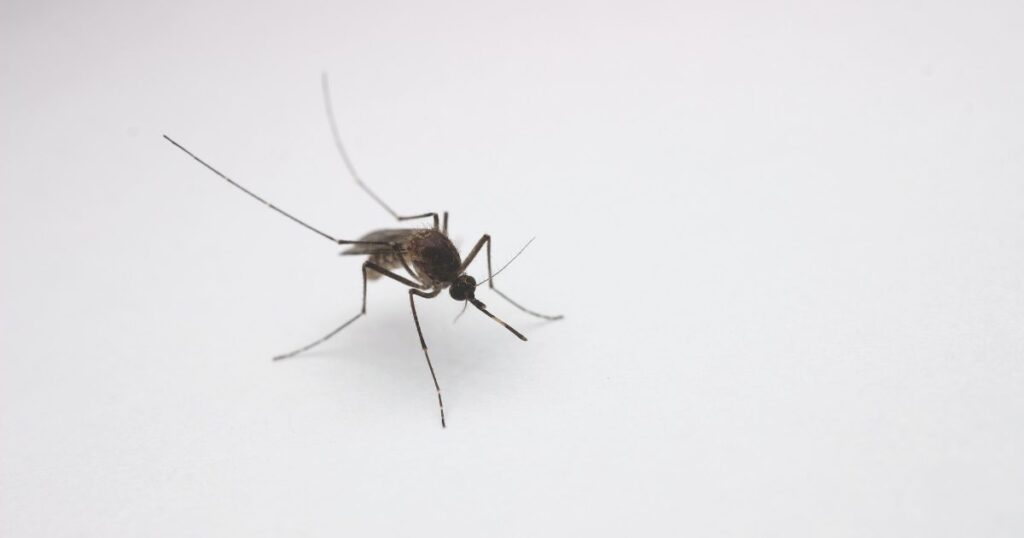
Japanese encephalitis, a rare but severe illness, is transmitted through the bite of infected mosquitoes. It cannot be spread directly between humans or from other animals. The NSW Health Department is investigating a probable case involving a man in his 60s from the Riverina region, who was likely exposed to the virus in late December 2025.
In early January, JE was detected in a blood sample from a sentinel chicken near Goulburn. These chickens are regularly tested to provide early warnings about the presence of mosquito-borne viruses, serving as a crucial frontline in the fight against such diseases. The detection indicates that the virus is likely circulating in the area.
Understanding the Threat of Japanese Encephalitis
Japanese encephalitis can lead to severe neurological symptoms, including headache, confusion, convulsions, and reduced consciousness. Tragically, several individuals have succumbed to the virus, including two men from northern Sydney and Canberra who died in early 2025 after likely contracting JE while vacationing in the Murrumbidgee area.
Alison Nikitas, Director of Public Health for the Murrumbidgee and Southern NSW Local Health Districts, emphasized the importance of taking preventive measures. “There is no specific treatment for JE, so it is very important for people who live in or travel to these areas to be aware of the elevated risk,” she stated. “Importantly, there is a safe, effective vaccine to protect against JE virus which is free to anyone who lives or routinely works in various inland regions as well as for people who work in some other high-risk occupations.”
Vaccination and Prevention Strategies
The NSW Health website lists several local government areas of high concern, including Cootamundra-Gundagai, Leeton, Goulburn Mulwaree, Greater Hume, Griffith, Hay, Hilltops, Junee, Upper Lachlan, and Wagga Wagga. Information on eligibility for the free JE vaccine is available online, and the vaccine can be accessed through general practitioners, Aboriginal health services, and pharmacists.
Individuals meeting the eligibility criteria for vaccination should schedule an appointment with their GP, Aboriginal Medical Service, or pharmacy, and inform the provider of their intent to receive the JE vaccine. Providers may need to order the vaccine, which can take several days. A booster dose may be recommended for some, and those vaccinated over a year ago should consult their healthcare provider about the need for a booster.
Practical Steps to Prevent Mosquito Bites
- Apply repellent to exposed skin, using products containing DEET, picaridin, or oil of lemon eucalyptus.
- Reapply repellent regularly, applying sunscreen first and then the repellent.
- Wear light, loose-fitting long-sleeve shirts, long pants, socks, and covered footwear.
- Stay indoors during peak mosquito activity times, particularly at dawn and dusk.
- Use insecticide sprays, vapor dispensing units, and mosquito coils to repel mosquitoes, ensuring coils are used outdoors in well-ventilated areas.
- Ensure windows and doors are covered with insect screens and check for any gaps.
- Remove items that may collect water around your home to reduce mosquito breeding sites.
- Protect infants under three months by using an infant carrier draped with mosquito netting secured along the edges.
- While camping, sleep under a mosquito net or use a tent with fly screens to prevent mosquitoes from entering.
Looking Ahead: Managing the Spread of JE
The announcement comes as health officials continue to monitor the situation closely, with ongoing testing and surveillance efforts aimed at controlling the spread of Japanese encephalitis. The public is encouraged to remain vigilant and adhere to recommended preventive measures, especially in high-risk areas.
As the situation evolves, updates will be provided by health authorities to ensure the community remains informed and prepared. The move represents a concerted effort to safeguard public health and prevent further cases of this potentially fatal virus.