

Japan, a country familiar with seismic activity due to its location on the ‘Pacific Ring of Fire,’ experienced a significant geological event on December 8. A 7.5 magnitude earthquake struck approximately 80 kilometers off its northeast coast at around 11:15 PM local time, causing power outages, public transport suspensions, and triggering tsunami warnings. Although these warnings have since been lifted, the aftermath of the earthquake continues to impact the region, raising questions about the safety of travel to Japan.
The earthquake’s epicenter was located off the coast, yet its effects were felt inland. In Hachinohe, several individuals sustained injuries, and the tremor caused items to fall from shelves, shattering glassware. Approximately 480 people sought refuge at the city’s Air Base, as confirmed by Defense Minister Shinjiro Koizumi.
Impact and Immediate Response
The earthquake prompted a tsunami warning for three northern prefectures, leading to the evacuation of 90,000 residents. Waves as high as 70 centimeters were reported in areas like Kuji port in Iwate prefecture. Despite the lifting of tsunami warnings, the Japanese government continues to advise caution due to potential aftershocks and the risk of landslides in areas with weakened ground.
In terms of infrastructure, around 800 homes experienced temporary power outages, and the renowned Shinkansen bullet trains halted operations. Reports also indicate that 200 passengers were stranded at New Chitose Airport in Hokkaido, and a minor incident occurred at the Tokkasha fuel processing plant in Aomori, where 450 liters of water spilled from a cooling area. The Nuclear Regulation Authority has assured the public that this does not pose a significant safety threat.
Travel Disruptions and Advice
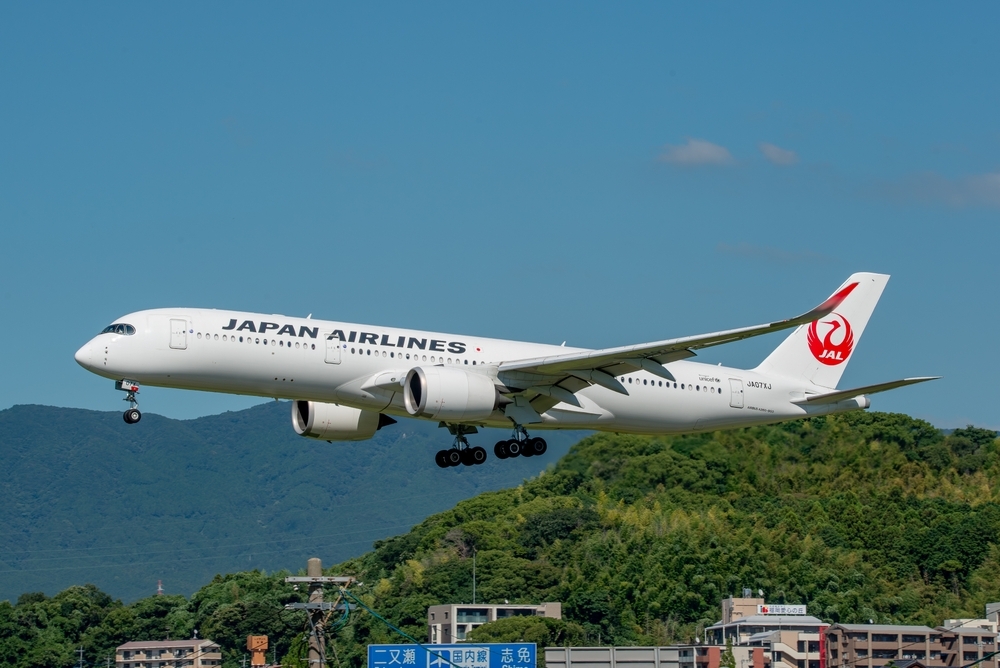
The earthquake has led to significant disruptions in air travel. According to Travel and Tour World, 119 flights were canceled, and 755 flights were delayed across major Japanese airports, including Tokyo Haneda, New Chitose, Fukuoka, Osaka Itami, and Sendai. Airlines such as ANA Wings, All Nippon Airways, and Japan Airlines were affected. Travelers with upcoming plans to Japan are advised to contact their airlines directly for the latest updates on their flights.
Official Travel Advice
The UK Foreign, Commonwealth & Development Office (FCDO) has updated its travel advice, noting that while all tsunami advisories have been lifted, the Japan Meteorological Agency warns of the possibility of another large-scale earthquake within the next seven days. Travelers are urged to follow local authorities’ guidance and stay informed through reliable sources like the NHK website.
Historical Context and Safety Considerations
Japan’s vulnerability to earthquakes stems from its position over four tectonic plates: the Pacific, Philippine Sea, Eurasian, and North American. This geological setting results in frequent seismic activity and associated tsunami risks. The most devastating event in recent history was the Tōhoku earthquake and tsunami in March 2011, which triggered the Fukushima nuclear disaster. This magnitude 9 earthquake resulted in nearly 20,000 confirmed and presumed deaths.
Despite the current situation, the FCDO has not explicitly advised against travel to Japan. Consequently, travelers may not automatically qualify for refunds if they choose to cancel their trips. It is recommended to review travel insurance policies and consult with providers to explore options for postponing or canceling travel plans.
Looking Forward
As Japan continues to recover from the recent earthquake, the focus remains on ensuring safety and restoring normalcy. Authorities are working diligently to assess and repair infrastructure, while residents remain vigilant for potential aftershocks. For those considering travel to Japan, staying informed and prepared is crucial.
The resilience of Japan’s infrastructure and emergency response systems plays a significant role in mitigating the impact of such natural disasters. However, the country’s ongoing exposure to seismic risks underscores the importance of continuous preparedness and adaptation to protect both residents and visitors alike.